#1 Overall Winner
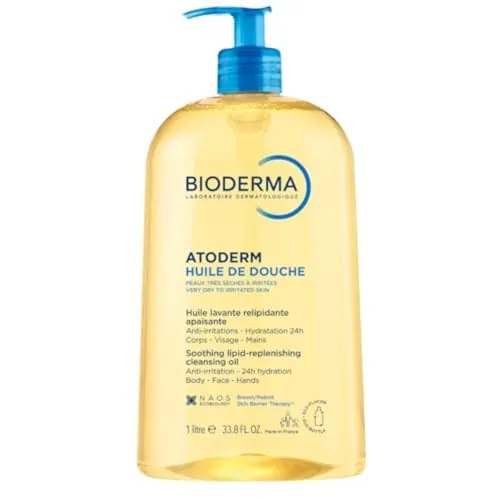
Bioderma Atoderm Shower Oil
- High skin-compatibility score for dry and sensitive-skin routines.
Comparison
Bioderma Atoderm Shower Oil and Sébium Foaming Gel are both highly rated cleansers, but they are designed for different skin profiles. Atoderm is the more nourishing face-and-body option for dry, sensitive skin, while Sébium is the more targeted facial gel for combination to oily skin. Atoderm leads for skin compatibility and comfort; Sébium leads for value and a shine-conscious cleansing focus.
#1 Overall Winner
Contender
Choose Atoderm Shower Oil for dry, sensitive skin, a more comfortable after-cleanse feel, and face-and-body versatility. Choose Sébium Foaming Gel for combination to oily skin, a purifying gel format, and stronger value. The best option depends on whether dryness or excess oil is your main cleansing concern.
Overall winner
Depends on your needs
| Feature | Bioderma Atoderm Shower Oil | Bioderma Sébium Foaming Gel | Winner |
|---|---|---|---|
| Primary skin focus | Dry and sensitive skin; face and body | Combination to oily skin; face | Depends |
| Overall score | 86 | 82 | Bioderma Atoderm Shower Oil |
| Effectiveness | 88 | 87 | Bioderma Atoderm Shower Oil |
| Skin compatibility | 90 | 82 | Bioderma Atoderm Shower Oil |
| Comfort | 90 | 80 | Bioderma Atoderm Shower Oil |
| Beauty result | 84 | 84 | Tie |
| Ease of use | 87 | 86 | Bioderma Atoderm Shower Oil |
| Application | 83 | 84 | Bioderma Sébium Foaming Gel |
| Value | 78 | 86 | Bioderma Sébium Foaming Gel |
| Customer satisfaction | 93 | 91 | Bioderma Atoderm Shower Oil |
| Claim support | 85 | 72 | Bioderma Atoderm Shower Oil |
| Packaging quality | 82 | 70 | Bioderma Atoderm Shower Oil |
Both products score strongly for effectiveness: Atoderm scores 88 and Sébium scores 87. Atoderm's performance is centred on cleansing dry, sensitive skin while maintaining a more comfortable feel, with reviews noting that it removes daily buildup and makeup without leaving skin feeling heavily greasy. Sébium is designed to cleanse combination to oily skin and manage the look of excess oil; buyers often report a clean, fresh result. The practical distinction is not efficacy alone but the type of cleansing result each skin profile is likely to prefer.
Both cleansers achieve the same beauty-result score, but the visible outcome they aim for differs. Atoderm is better aligned with skin that looks and feels comfortable, soft, and less dry after rinsing. Sébium is better aligned with a clean, fresh, less shiny appearance for combination to oily skin. Neither product offers a universal cosmetic result; the preferable finish depends on whether dryness or surface oil is the more noticeable concern.
At 84 each, the beauty-result scores are tied. Atoderm's review pattern supports a soft, smooth, non-stripped finish, which may look more balanced on dry skin. Sébium's feedback supports a cleaner, fresher, less oily-looking finish for combination and oily skin. Because their intended outcomes differ, the tie should be read as equal performance within different routines rather than identical results on the same skin type.
Atoderm fits a skincare routine built around gentle cleansing for dry, sensitive skin and can be used beyond the face on the body. Sébium is a face-only gel cleanser intended for combination to oily skin and is more relevant where a purifying wash is preferred. Both are rinse-off products, so follow-up skincare may still be useful according to individual skin needs, especially if cleansing leaves skin feeling tight.
Atoderm has the broader personal-care role because it is intended for face and body use and reviewers mention use during regular showers and for shaving. Sébium is more narrowly a facial cleanser. For a streamlined shower product that can serve more than one routine step, Atoderm is more versatile; for a dedicated facial wash, Sébium is the more focused option.
Atoderm scores 86 for safety compared with Sébium's 82. Both are rinse-off cleansers with broadly positive feedback around gentle use, but neither should be treated as risk-free for every individual. Atoderm's oil format may leave residue on shower surfaces according to one review, so rinsing the area is a sensible practical precaution. Sébium has occasional reports of tightness, which may indicate that users should adjust frequency or follow with suitable hydration if needed. Avoid eye contact and discontinue use if personal irritation occurs.
Atoderm leads comfort by a clear margin, 90 to 80. Buyers often describe its feel as soft, silky, clean, and not overly greasy, which suits dry skin that feels uncomfortable after conventional body washes. Sébium still has positive comfort feedback from oily and combination-skin users, but some mention a tight after-feel and mixed opinions on scent. Atoderm is the stronger choice where post-cleanse comfort is the priority.
Both products are simple rinse-off bottle cleansers, with Atoderm scoring 87 and Sébium 86 for ease of use. Atoderm is applied to damp skin, lathered, and rinsed, but its thinner oil consistency may require a measured pour or pump use. Sébium's gel format is familiar for facial cleansing and rinses easily, though feedback on foam is not consistent. Neither has a complicated setup; preference comes down to oil versus gel texture.
Sébium narrowly leads application, scoring 84 to Atoderm's 83. Its gel format is intended for direct facial cleansing and reviewers describe a smooth texture and easy rinsing. Atoderm also lathers and rinses well for many users, but several reviews identify its runnier consistency as a reason to dispense carefully. Users wanting a more conventional face-wash texture may find Sébium easier to control, while those who prefer an oil cleanser may favour Atoderm.
Atoderm leads skin compatibility, scoring 90 versus Sébium's 82. Its listed target is dry to sensitive skin, and its review feedback frequently highlights gentleness and a lack of tightness. Sébium also has positive sensitive-skin feedback, but it is primarily formulated for oily skin and some buyers describe a tight feeling if they do not use follow-up skincare. Atoderm lists fragrance, while Sébium is listed as unscented despite mixed scent comments in reviews. Personal tolerance remains important for either cleanser.
Atoderm has a small finish-quality lead, 82 to Sébium's 80. Its finish is generally described as soft, comfortable, and not greasy after rinsing, although its oil texture and shower residue require care. Sébium aims for a clean, shine-conscious feel, but reports of tightness and inconsistent foaming make its finish less predictable for some users. Dry skin is more likely to prefer Atoderm's nourishing after-feel, while oilier skin may prefer Sébium's lighter clean finish.
Atoderm has a much higher longevity score, 88 versus 62. Several users say that a small amount is sufficient and that larger bottles can last for months, although the runny texture can lead to overuse at first. Sébium's lower score does not mean it is ineffective, but the supplied data offers less consistent evidence of long-lasting use experience. Consider bottle size and dispensing habits when comparing practical cost per use.
Atoderm scores 78 for scent, above Sébium's 68. Atoderm is listed with fragrance, but many reviewers call it light, pleasant, or non-lingering. Sébium is listed as unscented, yet buyer feedback is mixed: some describe a delicate or pleasant aroma, while others dislike the smell. Users particularly sensitive to fragrance should consult the current label and consider individual tolerance.
For these consumable cleansers, durability is best understood as product usability and bottle performance rather than hardware reliability. Atoderm scores 89 versus Sébium's 72, supported by reports that a bottle can last a long time when used sparingly. Sébium's lower result aligns with delivery and packaging concerns in some reviews. Actual longevity will vary with chosen size, frequency of use, and how much product is dispensed each time.
Atoderm scores 78 for personalization compared with Sébium's 68. Its face-and-body use and stated relevance to dry, very dry, and sensitive skin give it broader routine flexibility. Sébium is more specialised: it is a face cleanser intended for combination to oily skin. Neither product has shade options, and no customisable settings or finish variants were provided. The better fit depends on skin condition, preferred texture, and whether a body-compatible cleanser is needed.
Atoderm scores 84 for ingredient quality, ahead of Sébium at 78. Its supplied list includes glycerin, niacinamide, and multiple cleansing and emollient ingredients, but also fragrance. Sébium lists lactic acid as an active ingredient and is positioned with zinc gluconate and copper sulfate in its product details; its full ingredient list was not supplied here. Neither score verifies that a formula will suit every person. Those sensitive to fragrance or particular ingredients should review the current package label before purchase.
Atoderm scores 82 for packaging quality, compared with Sébium's 70. Atoderm is supplied in a bottle, and reviewers commonly regard larger sizes as practical, although its runnier consistency can make over-dispensing possible. Sébium is also bottled, but the provided reviews include reports of a bottle arriving open or being handled roughly during shipping. Packaging condition can vary by retailer and delivery handling.
Sébium is the stronger value choice, scoring 86 compared with Atoderm's 78, and its listed price is lower. Its effectiveness score remains high, making it a practical option for combination to oily skin users who want a dedicated face cleanser. Atoderm costs more, but its larger-format feedback, face-and-body versatility, and strong comfort performance may justify the spend for dry or sensitive skin users. A lower price alone does not determine value: the best purchase is the cleanser that fits skin needs and is used consistently without discomfort.
Atoderm has a modest brand-trust lead, 84 to Sébium's 82. Both products come from Bioderma and have substantial review volumes with high average ratings, supporting broad customer familiarity with the brand's cleanser range. The narrow score difference does not suggest a major brand-confidence gap. Instead, trust should be considered alongside the clearer formula and routine distinction: Atoderm for dry-sensitive needs and Sébium for combination-oily needs.
Customer satisfaction is high for both products: Atoderm scores 93 from 42,761 reviews with a 4.5/5 rating, while Sébium scores 91 from 21,414 reviews with a 4.6/5 rating. Atoderm buyers repeatedly praise softness, gentle cleansing, and a comfortable post-wash feel. Sébium buyers frequently praise cleansing oily skin and its fresh finish. The recurring concerns are different: Atoderm has price, fragrance, and potential shower residue concerns; Sébium has mixed scent, tightness, foam, and shipment-related packaging feedback.
Atoderm has the stronger claim-support score, 85 versus Sébium's 72. Its supplied details, ingredient list, usage instructions, and review feedback consistently align around gentle, nourishing cleansing for dry and sensitive skin. Sébium's listing and reviews support its use as a purifying cleanser for combination to oily skin, but this should not be read as proof that it resolves skin conditions or guarantees changes in blemishes. Product claims and individual reviews are useful context, not clinical evidence.
Atoderm scores 72 for ethical transparency, ahead of Sébium's 55. Atoderm is specifically listed as not tested on animals. No equivalent ethical or sustainability detail was supplied for Sébium, so a direct broader ethical comparison is not possible. Neither product should be assumed to meet additional standards that are not stated in the provided information.
Bioderma Atoderm Shower Oil is the stronger overall choice in the supplied score data, particularly for dry or sensitive skin. Its main advantages are high comfort, skin compatibility, customer satisfaction, and face-and-body versatility. Its key limitations are its higher price, fragrance-listed formula, and the need for care with its thin texture and possible shower residue.
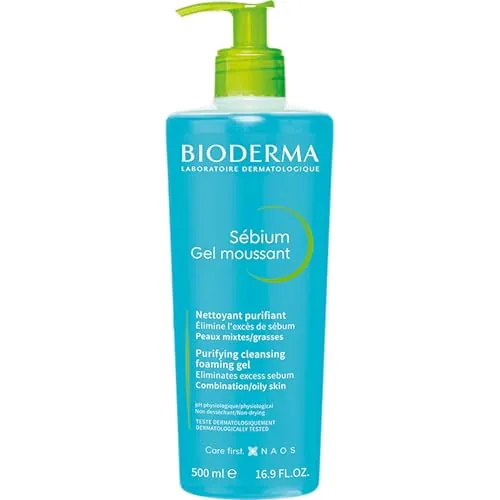
Bioderma Sébium Foaming Gel is the better targeted value choice for combination to oily skin. It offers strong cleansing performance in a familiar gel format and a lower listed price. Its main trade-offs are occasional tightness, mixed scent and foam feedback, and weaker packaging results. Match the cleanser to your skin's primary need rather than choosing solely on the overall score.

Overall winner
Depends on your needs
Neither is universally better because they serve different skin needs. Atoderm Shower Oil has the stronger overall score and is the more suitable choice for dry or sensitive skin needing a nourishing face-and-body cleanse. Sébium Foaming Gel is the more targeted option for combination to oily skin and has the stronger value score.
Atoderm Shower Oil is the clearer match for dry and sensitive skin. Its skin-compatibility and comfort scores are higher, and its listed use focuses on dry to atopic-sensitive skin. It also receives repeated feedback for leaving skin soft rather than stripped. The formula does contain fragrance, so individual tolerance still varies.
Sébium Foaming Gel is the more direct fit for combination to oily skin because this is its stated skin-type focus. Its product information positions it as a purifying, shine-conscious facial gel, and reviewers frequently mention a clean, fresh feel. Users who experience tightness should consider following cleansing with an appropriate moisturising step.
Yes. The supplied product information states that Atoderm Shower Oil can be used on the face and body and is suitable for most of the family, except premature infants. It is applied to damp skin, lathered, and rinsed. Its oil format may be especially appealing for users who dislike a dry, tight post-shower feel.
Sébium Foaming Gel has the higher value score and a lower listed price, so it is the stronger value-led choice in this comparison. Atoderm Shower Oil costs more, but several reviewers say a small amount can last well and regard its comfort-focused cleansing performance as worthwhile. Value depends on whether dry-skin support or oil-control focus matters more.
Both products score well for ease of use and are straightforward rinse-off bottle cleansers. Sébium Foaming Gel slightly leads for application, while Atoderm slightly leads for overall ease of use. Atoderm's runnier oil consistency may require more dispensing care, whereas Sébium has mixed feedback on whether its foam meets expectations.
No. The supplied listings describe each product's intended benefits, and reviews report individual experiences, but customer feedback is not clinical proof. Atoderm has stronger claim-support scoring in the provided data, while Sébium's support is more limited. Choose based on skin type, ingredients, routine preferences, and personal tolerance rather than reviews alone.
Check our rankings and expert guides to find the best beauty products for your goals.