
#1 Overall Winner
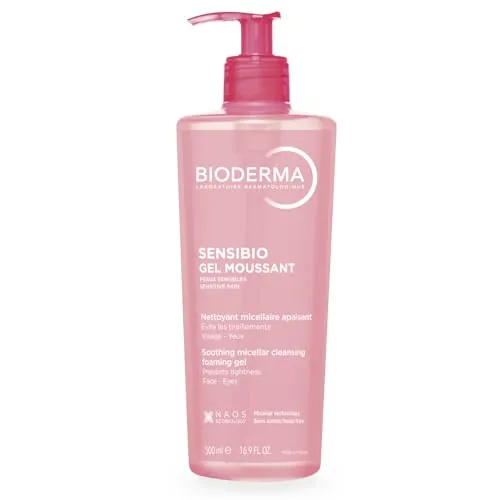
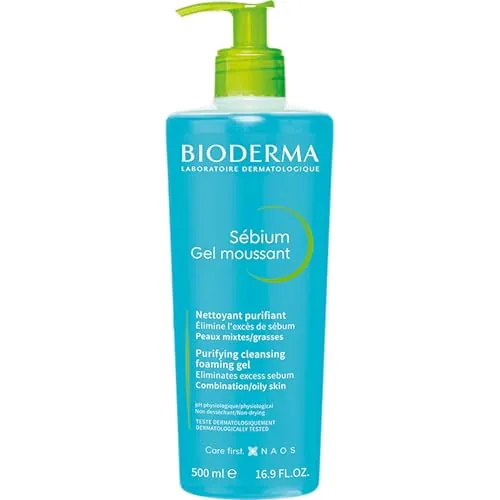
Bioderma Sébium Cleansing Foaming Gel
- Strong cleansing and oil-control performance for combination to oily skin.
Comparison
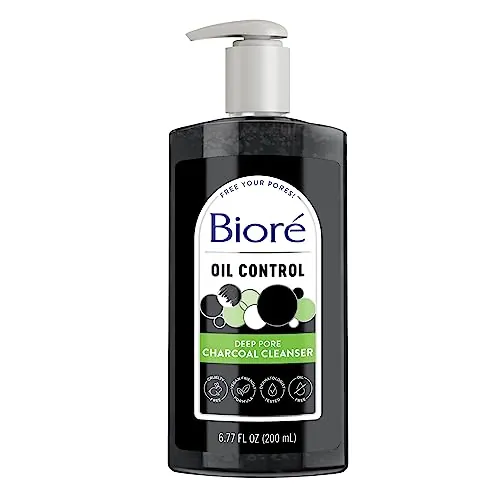
Bioderma Sébium Cleansing Foaming Gel and Bioré Deep Pore Charcoal Face Wash are bottled facial cleansers designed around oily-skin cleansing. Bioderma has a narrow overall lead, driven by stronger skin compatibility, comfort, ingredient-quality, and safety scores. Bioré costs less and scores slightly higher for value, ease of use, customer satisfaction, and claim support, but its cooling deep-clean experience has more mixed dryness and irritation feedback.
#1 Overall Winner
Contender
Choose Bioderma Sébium if you want a more balanced gel cleanser with stronger compatibility and comfort scores for combination to oily skin. Choose Bioré Charcoal if low cost, a deep-clean feel, and a cooling sensory experience matter most, and your skin tolerates it well. For sensitive or easily dried-out skin, Bioderma is the more cautious option based on the supplied data.
Overall winner
Depends on your needs
| Feature | Bioderma Sébium Cleansing Foaming Gel | Bioré Deep Pore Charcoal Face Wash | Winner |
|---|---|---|---|
| Overall score | 82/100 | 81/100 | Bioderma Sébium Cleansing Foaming Gel |
| Primary format | Gel |
Liquid |
Depends |
| Skin focus | Combination to oily skin |
Oily skin |
Depends |
| Effectiveness | 87/100 | 86/100 | Bioderma Sébium Cleansing Foaming Gel |
| Beauty result | 84/100 | 78/100 | Bioderma Sébium Cleansing Foaming Gel |
| Skin compatibility | 82/100 | 66/100 | Bioderma Sébium Cleansing Foaming Gel |
| Comfort | 80/100 | 72/100 | Bioderma Sébium Cleansing Foaming Gel |
| Ease of use | 86/100 | 87/100 | Bioré Deep Pore Charcoal Face Wash |
| Ingredient quality | 78/100 | 58/100 | Bioderma Sébium Cleansing Foaming Gel |
| Safety | 82/100 | 67/100 | Bioderma Sébium Cleansing Foaming Gel |
| Value | 86/100; $22.99 listed | 88/100; $6.87 listed | Bioré Deep Pore Charcoal Face Wash |
| Customer satisfaction | 91/100; 4.6/5 from 21,414 reviews | 92/100; 4.6/5 from 29,697 reviews | Bioré Deep Pore Charcoal Face Wash |
| Claim support | 72/100 | 78/100 | Bioré Deep Pore Charcoal Face Wash |
| Scent experience | 68/100 | 70/100 | Bioré Deep Pore Charcoal Face Wash |
Bioderma and Bioré both score strongly for core cleansing effectiveness, at 87 and 86 respectively. Bioderma’s gel is described as deeply cleansing, makeup removing, and suited to managing excess sebum, while many reviewers say it leaves oily or combination skin clean without feeling overly dry. Bioré’s charcoal cleanser is also frequently praised for clearing oil and buildup and delivering a pronounced clean feeling. The performance difference is minimal, but Bioderma’s advantage is its more balanced feedback. Bioré can be effective for deep cleansing, yet some users find its effects too drying with frequent use.
Bioderma produces the stronger visible post-cleanse result in the supplied scoring, with an 84 beauty-result score compared with 78 for Bioré. Its feedback centres on skin looking and feeling clean, balanced, soft, and less shiny without an overly stripped appearance. Bioré is often praised for a very fresh, smooth, or clean-looking result, but the stronger cooling and deep-clean character can be less comfortable for some users. For a polished, balanced finish, Bioderma has the clearer edge; for an immediately refreshed feel, preferences may differ.
Bioderma’s 84 beauty-result score is supported by reviews describing softer, fresher, more balanced-looking skin and reduced surface shine. Its result appears geared toward a clean finish without a harshly stripped sensation. Bioré scores 78 and earns praise for making skin feel smooth, refreshed, and very clean, often with a cooling finish. However, reports of dryness and redness mean that the final look may be less consistent for users with lower tolerance. Bioderma is the safer choice for a balanced-looking outcome; Bioré suits those who enjoy a more assertive deep-clean effect.
Both products fit an oily-skin cleansing routine and are designed to rinse away dirt, oil, and makeup or buildup. Bioderma is positioned for combination to oily skin and as a makeup-removing cleanser, while Bioré is more narrowly positioned around oily skin and charcoal-led deep cleansing. Review feedback suggests Bioderma may integrate more comfortably into regular routines for users concerned about dryness. Bioré may work best when its more intensive sensory feel suits the user’s skin and routine.
Bioderma has the stronger safety score, 82 versus 67 for Bioré. Its reviews commonly describe gentle cleansing without irritation, though some users report tightness and product experiences can vary. Bioré’s feedback includes both positive tolerance reports and complaints of redness, dryness, or reactions; its cooling, tingly sensation may be uncomfortable for some users. Both are rinse-off facial cleansers, so avoid contact with the eye area and discontinue use if irritation occurs. Patch testing or gradual introduction is particularly sensible for users who know their skin reacts easily.
Bioderma scores 80 for comfort, compared with 72 for Bioré. Users often describe Bioderma as light, smooth, fresh, and comfortable after rinsing, although scent opinions and occasional tightness are mixed. Bioré’s comfort depends heavily on preference: many enjoy the minty or tingly freshness, while others find it too strong or drying. If a neutral, balanced cleansing experience is the priority, Bioderma is better supported. If you like a cooling sensory effect, Bioré may feel more satisfying.
Bioré narrowly leads ease of use, 87 to 86. Reviewers say a small amount can go a long way, that it spreads readily, and that it rinses clean. Bioderma is also straightforward: its gel texture is described as light and easy to rinse, and it works as a standard face wash and makeup-removing cleanser. Neither requires a complex application method. The meaningful difference is not convenience but preferred texture, with Bioderma in gel form and Bioré in liquid form.
Bioderma has the higher application score, 84 versus 80 for Bioré. The Bioderma gel is frequently described as light, smooth, and easy to rinse, though its lather level does not meet every user’s expectations. Bioré reviewers often like its creamy or smooth glide and easy rinse-off, with some saying a small amount is enough. Its foam performance is also mixed, and the tingly effect can affect the application experience. Bioderma has the slight edge for a more consistently comfortable application.
Bioderma has a clear skin-compatibility lead at 82 versus 66 for Bioré. Its supplied reviews include positive experiences from users with combination, oily, and sensitive skin, although individual experiences still vary and a few people mention tightness. Bioré has some positive feedback from sensitive-skin users, but the overall review pattern is more divided, with reports of dryness, redness, and severe reactions alongside praise for gentle cleansing. Neither cleanser can guarantee suitability for every skin type. Users concerned about reactivity should introduce a new cleanser carefully and stop use if discomfort occurs.
Bioderma leads finish quality, scoring 80 compared with 72 for Bioré. Its result is more often described as fresh, smooth, clean, and balanced, with less emphasis on a squeaky or intensely stripped finish. Bioré can leave a very clean, tingly-smooth feeling that many users enjoy, especially on oily skin. Others, however, find the cooling sensation unpleasant or experience dryness with frequent use. Choose Bioderma for a more comfort-led finish and Bioré for a more pronounced fresh-clean sensation.
Both cleansers have the same 62 longevity score, which is reasonable because they are rinse-off products rather than leave-on treatments. The supplied data does not establish a meaningful difference in how long their oil-control or refreshed effects last after washing. Some Bioré reviewers describe using it less often when it feels drying, while Bioderma users often mention regular use in a broader routine. The more suitable frequency depends on how each cleanser leaves your skin feeling.
Both products are specified as unscented, yet user feedback indicates that their sensory profiles are still noticeable. Bioré scores 70 for scent, slightly ahead of Bioderma’s 68, and many reviewers enjoy its fresh, minty character; others dislike the cooling quality. Bioderma receives praise for a soft or delicate aroma from some users, but others find it too scented. Users who avoid noticeable skincare scent should note these mixed experiences.
Bioré scores 74 for durability, marginally ahead of Bioderma at 72. For these consumable cleansers, the available data is more relevant to bottle condition and continued usability than to hardware longevity. Bioré reviewers note that a small amount may last well, while Bioderma has some reports of opening or leaking during shipping. Neither product has enough supplied long-term stability information to establish a substantial durability difference. Store both according to their packaging instructions and ensure the closure is secure.
Bioderma scores 68 for personalization, ahead of Bioré at 55. Its stated suitability for combination to oily skin and availability in multiple reviewed sizes provide somewhat broader routine fit. Bioré is more specifically targeted to oily skin, and the supplied details do not show settings, variants, shades, or other meaningful customisation options. Neither cleanser is highly personalised in the available data. The practical choice is mainly between Bioderma’s balanced gel profile and Bioré’s cooling charcoal deep-clean approach.
Bioderma scores 78 for ingredient quality, ahead of Bioré at 58. The supplied Bioderma details identify a non-comedogenic gel with lactic acid, zinc gluconate, and copper sulfate, alongside a combination-to-oily-skin focus. Bioré highlights natural charcoal and lists sodium laureth sulfate as its active ingredient. These lists alone do not prove that one formula will work better for every individual, but Bioré’s lower score aligns with its more mixed dryness and irritation feedback. Neither product has enough supplied ingredient detail to make broader claims about complete formula quality or suitability.
Bioré has a small packaging-quality lead at 72 versus 70 for Bioderma. Both come in bottles, and the supplied data does not identify a major day-to-day dispensing advantage for either. Bioderma’s score is affected by reviews mentioning bottles arriving open, leaking, or roughly handled during delivery; these comments concern shipping rather than necessarily the formula. Bioré’s packaging feedback is less detailed in the provided reviews. Check the seal and bottle condition when either product arrives.
Bioré is the stronger budget choice, with an 88 value score and a listed price of $6.87, compared with Bioderma’s 86 value score and $22.99 listed price. Reviewers frequently call Bioré reasonably priced and note that a small amount can be effective. Bioderma’s value case rests less on low upfront cost and more on its stronger comfort, compatibility, and overall performance profile; several users describe repeat purchases and good quality for the amount. Choose Bioré for the lower entry cost, or Bioderma if its more balanced cleansing profile justifies the higher spend for you.
Bioderma has the higher brand-trust score, 82 versus 71 for Bioré, within this comparison data. That gap is consistent with Bioderma’s strong review sentiment around repeat use, gentle cleansing, and fit for combination to oily skin. Bioré still has a large, highly rated review base and established positive feedback for deep cleansing and value. The supplied information does not provide detailed support, service, or corporate transparency evidence for either brand, so this category should not be read as a complete assessment of brand practices.
Both products have very strong buyer sentiment, each averaging 4.6 out of 5 stars. Bioré has a slight customer-satisfaction lead at 92 versus 91 and a larger review count, 29,697 compared with 21,414. Repeated Bioré praise focuses on deep cleaning, oil removal, freshness, and price, while recurring concerns include tingling, dryness, and occasional redness. Bioderma receives consistent praise for cleansing oily or combination skin without obvious dryness, texture, and repeat-purchase appeal. Its recurring complaints relate more to scent, lather expectations, tightness, and shipping issues.
Bioré leads claim support, 78 to 72. Its supplied listing clearly links its charcoal cleanser to oily-skin cleansing, dirt and makeup removal, and an immediate refreshed feel, and many reviews independently describe strong oil and buildup removal. Bioderma’s supplied specifications and reviews also support its positioning as a cleanser for combination to oily skin and makeup removal, with many users reporting a balanced clean. However, neither data set supplies clinical evidence for broader complexion or blemish-related statements. Product claims and individual customer experiences should not be treated as guaranteed results.
Bioderma Sébium is the better all-round cleanser in this comparison, but the margin is narrow. Its main strengths are a balanced cleansing result, higher skin compatibility, stronger comfort, and better ingredient-quality and safety scores. Its main limitations are the higher listed price, mixed scent and lather feedback, and occasional shipping concerns. Bioré Deep Pore Charcoal Face Wash is the better low-cost option, with excellent value, very high buyer satisfaction, and a refreshing deep-clean profile for oily skin. Its main limitation is less consistent tolerance, including reports of dryness, redness, and an unwelcome tingly sensation. Pick Bioderma for balance; pick Bioré for budget-focused, intensive-feeling cleansing if your skin tolerates it.
Overall winner
Depends on your needs
Bioderma Sébium is the stronger overall choice by a narrow margin, particularly for skin compatibility, ingredient quality, safety, and visible finish. Bioré is the better fit for shoppers focused on a lower upfront price and a more intensive, cooling deep-clean feel. Both perform well for oily-skin cleansing, so tolerance and preferred cleansing feel are important.
Bioderma Sébium appears to be the safer starting point based on its higher skin-compatibility and safety scores, plus repeated feedback describing a gentle, non-drying feel. Bioré has some positive sensitive-skin feedback, but other reviews report redness, reactions, or dryness. Individual reactions vary, so introducing either cleanser carefully is sensible.
Both products are designed for oily skin and have strong effectiveness scores. Bioderma has a slight advantage for balanced cleansing and comfort, while Bioré may suit users who prefer a more pronounced refreshed, tingly feeling and want a lower-cost option. If skin becomes tight or dry, reduce use and consider a more balanced routine.
Many Bioré reviewers describe a minty, cooling, or tingly sensation during and after cleansing. Some enjoy that refreshed feeling, while others find it too strong, especially in colder weather. The product is specified as unscented, but the sensory feedback shows that the experience can still be noticeable for users who are sensitive to cooling sensations.
The two cleansers are very close for ease of use. Bioré has a one-point lead in the ease-of-use score, and reviewers often say that a small amount spreads and rinses easily. Bioderma also scores strongly, with feedback noting its light texture and easy rinsing. The practical choice depends more on formula preference than application difficulty.
Bioré has the higher value score and a much lower listed price, making it the more budget-oriented option. Bioderma also earns a strong value score because reviewers frequently mention its performance, gentle feel, and repeat-purchase appeal. Better value depends on whether you prioritise the lowest purchase price or higher compatibility scores.
Bioré has a slightly higher claim-support score, supported by its clear oily-skin cleansing positioning, product specifications, and many reviews describing oil and dirt removal. Bioderma’s claims also have meaningful support from its specifications and user feedback, but its score is lower. Neither listing provides clinical evidence in the supplied information, so marketing statements should be interpreted cautiously.
Bioderma is explicitly described as a makeup-removing cleanser. Bioré is also marketed for dirt and makeup removal. As both are rinse-off face washes, their makeup-removal performance may depend on the type and amount of makeup worn. The provided data does not compare their performance on long-wear or waterproof makeup.
Check our rankings and expert guides to find the best beauty products for your goals.