#1 Overall Winner
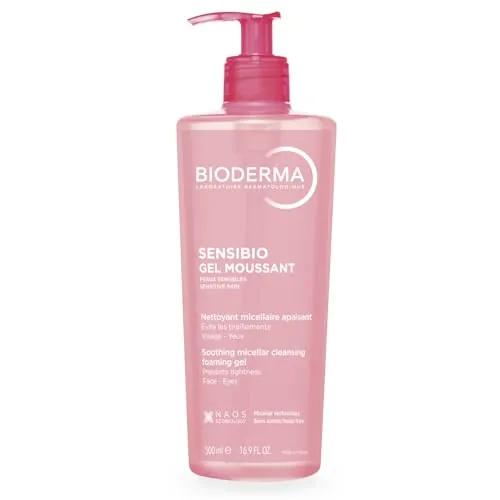
Bioderma Sensibio Foaming Gel Gentle Face Cleanser
- Fragrance-free, sulfate-free gel designed for sensitive skin.
Comparison
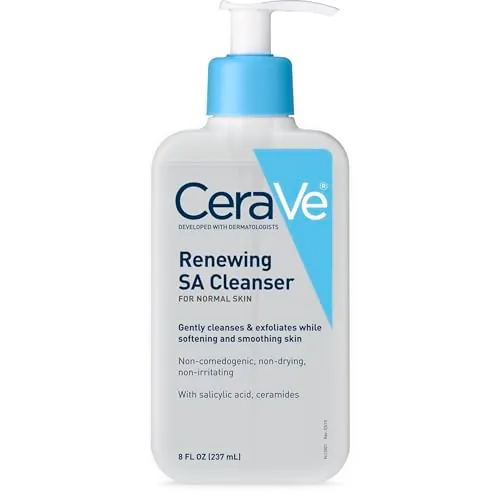
Bioderma Sensibio Foaming Gel and CeraVe Renewing SA Cleanser are fragrance-free gel face washes with different routine priorities. Bioderma is the gentler, makeup-removing option for sensitive skin, while CeraVe adds salicylic acid for users seeking an exfoliating cleanse and smoother-feeling skin. Bioderma leads the supplied overall scoring, but CeraVe has the more detailed active-ingredient profile and lower listed upfront price.
#1 Overall Winner
Contender
Choose Bioderma Sensibio Foaming Gel for a dependable, fragrance-free daily cleanse, especially if your skin is easily uncomfortable or you want light makeup removal. Choose CeraVe Renewing SA Cleanser if smoother texture and salicylic-acid exfoliation are bigger priorities and your skin tolerates exfoliating cleansers well.
Overall winner
Depends on your needs
| Feature | Bioderma Sensibio Foaming Gel Gentle Face Cleanser | CeraVe Renewing Salicylic Acid Cleanser | Winner |
|---|---|---|---|
| Overall focus | Gentle micellar cleansing and makeup removal |
Salicylic-acid cleansing and exfoliation |
Depends |
| Overall score | 89 |
85 |
Bioderma Sensibio Foaming Gel Gentle Face Cleanser |
| Effectiveness | 91 |
84 |
Bioderma Sensibio Foaming Gel Gentle Face Cleanser |
| Skin compatibility | 92 |
78 |
Bioderma Sensibio Foaming Gel Gentle Face Cleanser |
| Ingredient quality | 84 |
88 |
CeraVe Renewing Salicylic Acid Cleanser |
| Comfort | 92 |
84 |
Bioderma Sensibio Foaming Gel Gentle Face Cleanser |
| Ease of use | 94 |
90 |
Bioderma Sensibio Foaming Gel Gentle Face Cleanser |
| Fragrance | Unscented; score 94 |
Fragrance-free; score 96 |
CeraVe Renewing Salicylic Acid Cleanser |
| Makeup removal | Explicitly positioned for makeup removal |
Mixed review feedback |
Bioderma Sensibio Foaming Gel Gentle Face Cleanser |
| Value | 92; 16.7 fl oz; $22.99 |
88; 8 fl oz; $12.37 |
Bioderma Sensibio Foaming Gel Gentle Face Cleanser |
| Customer satisfaction | 95; 22,357 reviews |
94; 81,978 reviews |
Bioderma Sensibio Foaming Gel Gentle Face Cleanser |
| Best routine fit | Daily sensitive-skin cleanse |
Texture-focused exfoliating cleanse |
Depends |
Bioderma scores higher for effectiveness, 91 versus 84, and its product positioning is tightly aligned with reported performance: reviewers commonly say it removes everyday dirt, oil, and light makeup while avoiding a stripped feel. The cleanser's main limitation is that heavy makeup may need a separate first step. CeraVe's effectiveness is more specific to an exfoliating cleanse. Many users report a clean, smooth finish and appreciate the salicylic acid, but others do not see a major change in breakouts or find it insufficient for complete makeup removal. Bioderma is the more reliable all-purpose cleanser in this comparison; CeraVe is the more specialised option.
Bioderma's visible result is primarily a fresh, clean, soft-looking complexion without the tight or over-cleansed appearance some users associate with harsher face washes. CeraVe is more directly focused on texture: its salicylic acid is intended to exfoliate, and reviewers frequently describe skin as smoother or softer after use. For a calm, comfortable clean, Bioderma has the stronger fit. For users whose preferred cosmetic result is a more polished-feeling skin surface, CeraVe may be more relevant if it agrees with their skin.
Bioderma has the stronger beauty-result score, 88 compared with 83. Review feedback points to skin that feels soft, fresh, hydrated, and less visibly stressed by cleansing, which suits users who value a comfortable natural-looking finish. CeraVe's result is more texture-led: customers often mention smoother-feeling skin and a healthy-looking glow after regular use. Those outcomes are individual reports rather than guarantees. Bioderma is the safer pick for preserving a comfortable post-wash appearance, while CeraVe may better suit users pursuing exfoliation-related smoothness.
Both products fit a fragrance-free facial skincare routine, but they fill different steps within that routine. Bioderma is a simple cleanser designed for morning-and-evening use on wet skin, with particular emphasis on sensitive skin and light makeup removal. CeraVe is a cleansing exfoliator: its salicylic acid differentiates it from a standard gentle wash, while hyaluronic acid, niacinamide, and ceramides are listed as supporting ingredients. Users with easily reactive skin may favour Bioderma's simpler gentle-cleanse role, while users adding exfoliation should consider how CeraVe fits with the rest of their routine.
Bioderma scores 89 for safety versus 80 for CeraVe. Its fragrance-free, sulfate-free, sensitive-skin positioning and repeat reports of low irritation support its use as a gentle rinse-off cleanser, though individual reactions remain possible. CeraVe is also fragrance-free and described as non-irritating by the listing, but customer experiences are mixed around sensitivity. Because it contains salicylic acid, users who are prone to dryness or discomfort may prefer to introduce it gradually and avoid overusing it. Keep either cleanser away from the eyes and discontinue use if it causes persistent discomfort.
Bioderma has the stronger comfort score, 92 versus 84. Users frequently describe its gel-to-light-foam texture as soft, silky, and easy to rinse, with no tight or dry after-feel. CeraVe is often praised for a smooth, non-greasy feel and a clean finish, but comfort varies more due to its exfoliating formula. Some reviewers find it ideal for regular use, while others report dryness when they use too much or use it too frequently. Bioderma is the more consistently comfortable option.
Both products are simple bottle-based gel cleansers that are applied to damp skin, lathered, and rinsed. Bioderma scores 94 for ease of use, slightly ahead of CeraVe at 90, and its uncomplicated morning-and-evening instructions make it especially straightforward. CeraVe is also easy to dispense and rinse, but its salicylic-acid focus may require more consideration around frequency for users with reactive skin. For a low-friction daily cleansing step, Bioderma has the advantage.
Bioderma scores 91 for application, compared with 86 for CeraVe. Its clear gel forms a light foam and is repeatedly described as spreading comfortably, including when massaged around areas with light makeup. CeraVe changes from gel to foam and is described as smooth and lightweight, although a few reviewers note less lather than expected. Application is easy with either product, but Bioderma's higher score and makeup-removal positioning make it the more versatile cleanser at the sink.
Bioderma has a clear lead for skin compatibility, scoring 92 against CeraVe's 78. It is labelled unscented, fragrance-free, and sulfate-free, with consistently positive review feedback from users who describe sensitive, dry, combination, or reactive-feeling skin. CeraVe is also fragrance-free and is described as non-comedogenic, but the salicylic acid creates more variable experiences. Some sensitive-skin reviewers report no problems, while others prefer less frequent use because daily use or larger amounts can feel drying. Patch testing and gradual use are sensible when trying any new exfoliating cleanser.
Bioderma scores 88 for finish quality, compared with 82 for CeraVe. Its finish is described more as a comfortable after-feel than a cosmetic finish: clean, soft, fresh, and not tight. CeraVe's exfoliating format is associated in reviews with a smoother, softer skin surface, but this depends on individual tolerance; some users report flakiness when using too much or using it too often. Bioderma is better for a consistently gentle, balanced finish, while CeraVe may appeal for texture smoothing when used appropriately for the user.
Both products are strong options for users avoiding fragrance. Bioderma is listed as unscented and fragrance-free, earning a scent score of 94; reviewers generally note no noticeable perfume. CeraVe is listed as fragrance-free and scores 96, with positive feedback that it is legitimately free of fragrance. There is no meaningful practical winner for most shoppers: both avoid a perfumed cleansing experience.
Bioderma has a modest durability advantage, 86 versus 81. As rinse-off consumables, durability is mainly about the product staying usable in its bottle and how long the amount lasts. Reviewers say a small amount of Bioderma can go a long way, and its 16.7-fluid-ounce format supports a longer replacement cycle. CeraVe's 8-fluid-ounce size is smaller but is also described by reviewers as lasting a while. Delivery packaging experiences vary, so inspect either bottle on arrival.
Bioderma scores 76 for personalization, ahead of CeraVe's 68. Its more focused sensitive-skin positioning makes selection straightforward for people who know they want a fragrance-free, non-stripping cleanser. CeraVe has broader appeal across normal, dry, oily, and acne-prone routine contexts in the listing, but its salicylic acid makes frequency and tolerance more individual. Neither product offers shades, scent variants, or device settings in the supplied data. Bioderma is easier to match to a sensitivity-led routine; CeraVe is better matched by texture and exfoliation goals.
CeraVe leads ingredient quality, 88 to Bioderma's 84, largely because the supplied information identifies a more detailed formula focus: salicylic acid, hyaluronic acid, niacinamide, and three ceramides. This provides a clear rationale for its exfoliating and moisture-supporting positioning, although product claims should not be treated as a promise of results. Bioderma lists coco glucoside as an active ingredient and is described as fragrance-free and sulfate-free, but the provided ingredient detail is less extensive. Its strength is formula positioning for gentleness rather than a broad list of highlighted actives.
Bioderma scores 84 for packaging quality and comes in a 16.7-fluid-ounce bottle. Review feedback suggests the pump can provide controlled use, though there is isolated criticism of poor delivery packaging. CeraVe scores 82 and is supplied in an 8-fluid-ounce bottle; one reviewer specifically reported intact, non-leaking delivery. Neither product has enough provided packaging detail to establish a major functional advantage. Bioderma's larger bottle suits home use, while CeraVe's smaller listed size may be easier to place in a compact routine.
Bioderma scores higher for value, 92 versus 88, despite its higher listed price of $22.99. The key reason is size: the supplied Bioderma bottle contains 16.7 fluid ounces, more than double CeraVe's listed 8 fluid ounces, and reviewers often note that a small amount is sufficient. CeraVe's listed price of $12.37 makes it the lower-cost entry point and it receives substantial praise as affordable. Bioderma is stronger for shoppers seeking a large, gentle daily cleanser; CeraVe may offer better practical value if salicylic-acid exfoliation is a routine priority.
CeraVe has a slight brand-trust lead, 90 compared with Bioderma's 88. Its supplied listing notes that it is developed with dermatologists and identifies its ceramide-focused formula. Bioderma's information emphasises the brand's biology and dermatology-oriented approach, and its substantial review base supports strong customer confidence. Both brands are established within the supplied product context. The narrow score difference should not outweigh skin fit: a well-regarded cleanser still needs to suit the individual user's routine and tolerance.
Customer satisfaction is exceptionally close: Bioderma scores 95 and CeraVe scores 94, while both hold 4.7 out of 5 stars. Bioderma's 22,357 reviews repeatedly praise its gentle, fragrance-free cleansing, soft after-feel, and useful bottle size. CeraVe has a larger 81,978-review base and is frequently praised for smoothness, hydration, affordability, and a clean feel. The main difference is consistency: CeraVe has more reports of sensitivity concerns or limited perceived results, whereas Bioderma feedback is more uniform around gentleness. Individual reviews are useful signals, not guarantees.
Both products receive a claim-support score of 86. Bioderma's core claims are well matched to the supplied listing and review pattern: gentle cleansing, light makeup removal, fragrance-free use, and a comfortable finish. CeraVe's listed salicylic acid and other highlighted ingredients give clear support for its exfoliating and smoothing positioning, and many reviewers report those kinds of results. However, more specific reports about breakouts, redness, or visible skin changes are personal experiences and involve many possible influences. Neither cleanser's marketing or customer reviews should be read as clinical proof of an outcome.
Bioderma Sensibio Foaming Gel wins overall because it performs more strongly in the supplied data for core cleansing effectiveness, comfort, sensitive-skin compatibility, ease of use, value, and customer satisfaction. Its major strength is a gentle, fragrance-free cleanse that reviewers frequently say does not leave skin feeling stripped. Its main limitation is less detail on the supplied ingredient profile and less certainty around heavy makeup removal.
CeraVe Renewing SA Cleanser is not a lesser choice for everyone; it is the more purposeful option for people who want salicylic-acid exfoliation and appreciate its listed ceramides, niacinamide, and hyaluronic acid. Its limitation is variable sensitivity feedback. Choose Bioderma for consistent gentleness, or CeraVe for an exfoliating routine step that your skin tolerates well.

Overall winner
Depends on your needs
Bioderma is the stronger overall choice in the supplied scoring, particularly for comfort, sensitive-skin compatibility, ease of use, and reported cleansing performance. CeraVe is the more targeted option for shoppers who specifically want salicylic-acid exfoliation and its listed blend of ceramides, niacinamide, and hyaluronic acid. The better choice depends on whether gentleness or exfoliation is the priority.
Bioderma appears better suited to sensitive skin based on its higher skin-compatibility score, fragrance-free and sulfate-free positioning, and consistently positive review feedback about avoiding tightness and irritation. CeraVe is also fragrance-free and some sensitive-skin reviewers like it, but the supplied feedback is mixed because others report dryness or irritation. Individual tolerance to salicylic acid can vary.
Yes. CeraVe lists salicylic acid, a beta hydroxy acid, and describes the cleanser as exfoliating and smoothing. Bioderma is described as a micellar foaming cleanser focused on gently lifting makeup, dirt, and oil. Bioderma may still leave skin feeling fresh and soft, but the provided data does not position it as an exfoliating cleanser.
Bioderma has the clearer makeup-removal positioning and stronger effectiveness score. Many supplied reviews say it removes light makeup without leaving skin dry, though some say heavy makeup may require another step. CeraVe reviews are more divided: some users report removal of light makeup, while others recommend using a separate makeup remover before foundation or colour corrector.
Bioderma has the higher value score and comes in a substantially larger listed 16.7-fluid-ounce bottle, with reviewers often saying a small amount lasts well. CeraVe has a lower listed purchase price and also receives strong value feedback, but its listed size is 8 fluid ounces. Compare current price per ounce and expected frequency of use rather than price alone.
The product information describes CeraVe as gentle enough for daily use, and some reviewers use it regularly without dryness. However, other supplied reviews, especially from sensitive users, say they prefer using it once or twice weekly or in small amounts to limit dryness. Start according to your skin's tolerance and avoid assuming that every routine needs daily exfoliation.
Bioderma is the more straightforward beginner option because it is a gentle cleanser with simple wet-skin, lather, and rinse instructions, and it has the higher ease-of-use score. CeraVe is also easy to apply, but its salicylic-acid exfoliating focus introduces a routine consideration: users with easily irritated skin may prefer to introduce it cautiously rather than immediately use it often.
Both products have the same strong claim-support score in the supplied data. Their basic cleanser claims are aligned with product details and substantial customer feedback, including fragrance-free positioning and reports of a clean, non-stripped feel. More specific outcomes, such as changes in texture or blemish appearance, come primarily from customer experiences and should not be treated as guaranteed results.
Check our rankings and expert guides to find the best beauty products for your goals.