#1 Overall Winner
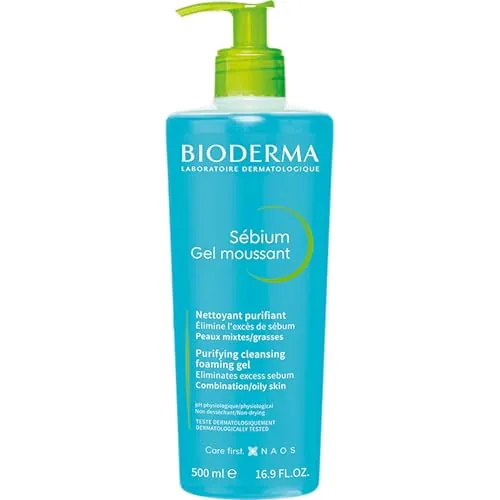
Bioderma Sébium Makeup Removing Cleanser
- Designed for combination to oily skin and excess-shine concerns.
Comparison
Bioderma Sébium and Bioderma Sensibio are gel face cleansers that remove everyday makeup and impurities, but they serve different routine priorities. Sébium is geared toward combination to oily skin and shine control, while Sensibio is the more sensitive-skin-focused, fragrance-free option with higher overall comparison scores. At the same listed price, Sensibio has the broader lead for comfort, compatibility, and value, whereas Sébium remains the more targeted pick for excess oil.
#1 Overall Winner
Contender
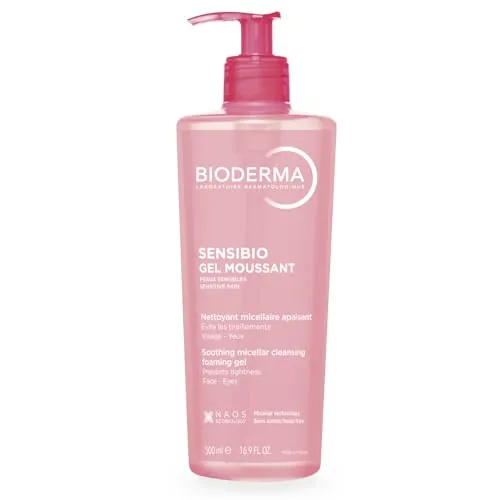
Choose Bioderma Sensibio Foaming Gel for sensitive skin, fragrance-free cleansing, and a more comfortable daily experience. Choose Bioderma Sébium if you have combination to oily skin and want a cleanser more directly positioned around excess sebum and shine. Sensibio wins overall, but Sébium better matches an oil-control-focused routine.
Overall winner
Depends on your needs
| Feature | Bioderma Sébium Makeup Removing Cleanser | Bioderma Sensibio Foaming Gel Gentle Face Cleanser | Winner |
|---|---|---|---|
Primary skin focus |
Combination to oily skin |
Sensitive skin |
Depends |
Overall score |
82 |
89 |
Bioderma Sensibio Foaming Gel Gentle Face Cleanser |
Effectiveness |
87 |
91 |
Bioderma Sensibio Foaming Gel Gentle Face Cleanser |
Oil-control orientation |
Purifying, excess-sebum focus |
Gentle daily-cleansing focus |
Bioderma Sébium Makeup Removing Cleanser |
Skin compatibility |
82 |
92 |
Bioderma Sensibio Foaming Gel Gentle Face Cleanser |
Scent profile |
Unscented listing; mixed feedback |
Fragrance-free listing |
Bioderma Sensibio Foaming Gel Gentle Face Cleanser |
Comfort |
80 |
92 |
Bioderma Sensibio Foaming Gel Gentle Face Cleanser |
Ease of use |
86 |
94 |
Bioderma Sensibio Foaming Gel Gentle Face Cleanser |
Application |
84 |
91 |
Bioderma Sensibio Foaming Gel Gentle Face Cleanser |
Packaging quality |
70 |
84 |
Bioderma Sensibio Foaming Gel Gentle Face Cleanser |
Value |
86 |
92 |
Bioderma Sensibio Foaming Gel Gentle Face Cleanser |
Customer satisfaction |
91 |
95 |
Bioderma Sensibio Foaming Gel Gentle Face Cleanser |
Sensibio scores 91 for effectiveness, ahead of Sébium at 87. The supplied feedback supports Sensibio as an effective everyday cleanser and light-makeup remover that does not usually leave skin feeling stripped. Sébium also performs strongly, particularly for users reporting oily or combination skin; its cleansing, purifying, and excess-oil-focused positioning is consistent with much of its review feedback. The practical caveat is makeup level: Sensibio may need extra massage around the eyes or another step for heavier makeup. Sébium’s results may be more appealing when oil and shine are the main concerns.
Both cleansers are intended to leave the face looking clean and fresh rather than to create a makeup-like finish. Sébium is more closely associated with a shine-reduced appearance for oily or combination skin, while Sensibio is more often described as leaving skin soft, comfortable, and fresh. Sensibio has the higher beauty-result and finish-quality scores, but Sébium may produce the more relevant visible result for users whose main concern is an oily-looking T-zone.
Sensibio’s beauty-result score of 88 exceeds Sébium’s 84, reflecting more consistent reports of soft, fresh, comfortable-looking skin after cleansing. Its finish-quality score is also higher at 88 versus 80. Sébium’s visible benefit is different: users frequently report a cleaner, less shiny skin feel, which can be valuable for oily complexions. For a calm, non-tight after-cleanse appearance, Sensibio has the advantage; for an oil-controlled look, Sébium is the more specifically targeted option.
These are both skincare cleansers, but their routine roles differ. Sébium is the oil-focused option, with claims relating to purification and excess sebum, while Sensibio is the gentle option for sensitive skin, with micellar technology and fragrance-free, sulfate-free positioning. Neither supplied listing replaces the need to choose subsequent skincare according to personal skin needs. Sébium users who notice post-cleanse tightness may prefer to follow with a suitable moisturising step.
Sensibio has the higher safety score, 89 versus 82 for Sébium, largely aligning with its fragrance-free, sulfate-free, sensitive-skin positioning and consistently gentle review feedback. Sébium is still a rinse-off cleanser with many reports of comfortable use, but some users mention tightness and the scent experience is inconsistent. As with any facial cleanser, avoid direct eye contact unless the package directions indicate otherwise, rinse thoroughly, and discontinue use if the product feels uncomfortable. Product claims and buyer experiences are useful context, not a guarantee of individual tolerance.
Sensibio has a substantial comfort advantage, scoring 92 against Sébium’s 80. Its reviewers frequently praise a silky or light gel texture, soft foam, and a clean feel without noticeable dryness. Sébium is often described as fresh and gentle, especially by oily-skin users, but its comfort is less consistent because some buyers mention tightness if they do not apply other skincare promptly. For a softer daily cleanse, Sensibio is the clearer choice.
Both products are straightforward gel cleansers used on wet skin and rinsed away. Sensibio scores 94 for ease of use, compared with 86 for Sébium, and has clear supplied instructions to lather, rinse, and pat dry. Its light foam is generally described as easy to spread and rinse. Sébium is also convenient for daily use, though review feedback on how much it foams is more divided. Neither requires tools, charging, or lengthy setup.
Sensibio scores 91 for application, ahead of Sébium at 84. Reviews commonly describe Sensibio as a clear gel that becomes a soft, airy foam and rinses without residue. Sébium has a light gel texture and many users find it easy to rinse, but some expected more lather than they experienced. If a controlled, low-foam application is appealing, Sensibio is better supported; if you prefer a cleanser focused on a deeper-feeling oily-skin cleanse, Sébium remains suitable.
Sensibio has a clear lead in skin compatibility, scoring 92 compared with Sébium’s 82. It is explicitly listed for sensitive skin and as fragrance-free and sulfate-free, while reviews repeatedly mention gentle cleansing without dryness or discomfort. Sébium also receives favourable feedback from some sensitive-skin users and has a solid compatibility score, but it is designed around oily skin. Its mixed scent feedback and occasional reports of tightness make Sensibio the more cautious choice for users who prioritise a low-irritation routine.
Sensibio leads for finish quality at 88, compared with 80 for Sébium. Buyers commonly describe Sensibio as leaving the skin soft, refreshed, and without a stripped or tight finish. Sébium aims for a shine-free feel and is frequently praised for clean, balanced-looking skin, but a minority of reviewers report post-wash tightness. The better finish depends on preference: Sensibio for comfort and softness, Sébium for a more oil-conscious cleanse.
Sensibio is the clear choice for scent-sensitive buyers, with a scent score of 94 versus Sébium’s 68. It is explicitly listed as fragrance-free and reviews usually report no noticeable fragrance. Sébium is listed as unscented, but reviewer experiences range from a soft, clean scent to a smell they dislike. Sensibio provides the more consistent scent profile in the supplied data.
For these consumable cleansers, durability is most relevant to how well the product and packaging remain usable. Sensibio scores 86, ahead of Sébium at 72. Its large bottle is described by reviewers as lasting well when used in small amounts. Sébium has more reports of leakage or rough delivery, which can affect usability even if the cleanser itself performs well. Both should be stored with the cap or pump secured and checked on arrival.
Sensibio scores 76 for personalization, ahead of Sébium’s 68. Its sensitive-skin positioning and fragrance-free, sulfate-free profile make the intended user fit clearer, and it is described as suitable for multiple sensitive skin types. Sébium is more specific in another way: it is designed for oily and combination skin and for users who want a shine-conscious cleanse. Neither product offers shades, device settings, or finish variants in the supplied data, so personalization is mainly about skin needs.
Sensibio scores 84 for ingredient quality versus 78 for Sébium. The supplied data gives Sensibio a clearer formula profile for sensitive users: it is listed as fragrance-free and sulfate-free, with coco glucoside named as an active ingredient. Sébium lists lactic acid, zinc gluconate, and copper sulfate and is labelled non-comedogenic, supporting its oily-skin orientation. However, neither data set provides a complete ingredient list, so a full formula-level assessment is not possible here. Buyers with known ingredient sensitivities should check the package label before purchase.
Sensibio scores 84 for packaging quality, compared with 70 for Sébium. Both are supplied in bottle packaging and both have isolated delivery-related complaints. Sébium reviews include reports of a bottle arriving open or being handled roughly in transit. Sensibio also has occasional packaging concerns, but one detailed review notes a pump security lock. Actual shipping condition can vary by seller and delivery handling.
Sensibio earns the higher value score, 92 compared with 86 for Sébium. Both products have the same listed price of 22.99, while Sensibio’s supplied listing states a 16.7 fluid ounce unit count and reviewers often say one pump or a small amount is sufficient. Sébium is also considered good value by buyers, particularly those who value its oily-skin positioning and deep-clean feel. The stronger value case is Sensibio on size, scores, and broad comfort feedback; Sébium can still be worthwhile when its oil-control focus better fits the routine.
Sensibio scores 88 for brand trust, slightly above Sébium at 82. Both products come from Bioderma, so the difference reflects the supplied product-level evidence rather than a different manufacturer. Sensibio has stronger scores for sensitive-skin fit, claims support, and customer satisfaction, which may increase buyer confidence. Sébium also has a large, positive review base and long-term repurchase feedback. Seller and delivery conditions should still be checked when purchasing either bottle.
Both cleansers have very strong buyer feedback: Sébium has 4.6 out of 5 stars from 21,414 reviews, while Sensibio has 4.7 out of 5 stars from 22,357 reviews. Sensibio’s customer satisfaction score is 95, ahead of Sébium’s 91. Repeated Sensibio praise includes gentle makeup removal, a non-drying feel, and suitability for sensitive or dry-leaning skin. Sébium buyers repeatedly praise cleansing oily skin without excessive dryness, but fragrance, foam, tightness, and shipping feedback are more variable.
Sensibio has the stronger claim-support score at 86, compared with 72 for Sébium. Its gentle cleansing, light makeup-removal, fragrance-free profile, and comfortable after-feel are broadly consistent with the supplied specifications and review patterns. Sébium’s cleansing and oil-focused positioning are also supported by many buyer reports, but statements about limiting blemish formation or reducing irregularities should be understood as product claims rather than verified clinical outcomes in this comparison. Neither supplied data set provides clinical-study details, so stronger treatment-style conclusions are not warranted.
Sensibio scores 72 for ethical transparency and Sébium scores 55, but the supplied product data does not provide specific cruelty-free, vegan, sustainability, recyclable-packaging, or broader sourcing information for either cleanser. The score gap alone does not establish particular ethical credentials. Buyers who prioritise these factors should consult current manufacturer packaging or official product information before purchasing.
Bioderma Sensibio Foaming Gel wins this comparison overall. It has a higher overall score and stronger evidence in the supplied data for comfort, sensitive-skin compatibility, easy application, fragrance profile, value, and buyer satisfaction. Its main limitation is that it may not be sufficient alone for heavier makeup.
Bioderma Sébium remains a good specialised alternative. Its main strength is its combination- to oily-skin focus, including excess-sebum and shine-conscious cleansing. Its limitations are more variable scent and foaming feedback, occasional tightness, and weaker packaging results. Pick Sensibio for the gentler all-purpose daily cleanse; pick Sébium when oil control is the more important routine goal.

Overall winner
Depends on your needs
Sensibio is the stronger overall choice in the supplied score data, with higher marks for effectiveness, skin compatibility, comfort, value, and customer satisfaction. Sébium remains a practical alternative for combination to oily skin users who specifically want a cleanser positioned around excess oil and shine. The best option depends mainly on whether sensitivity or oil control is the priority.
Bioderma Sensibio Foaming Gel is the better-supported option for sensitive skin in this comparison. It is listed as fragrance-free and sulfate-free, is specifically marketed for sensitive skin, and has the higher skin compatibility score. Reviewers frequently describe a comfortable, non-stripping feel, although individual reactions can still vary with any skincare product.
Bioderma Sébium is the more directly targeted choice for oily or combination skin. Its listing highlights purification, excess-sebum absorption, and a shine-free feel, while buyer feedback often mentions thorough cleansing without major dryness. Sensibio can also suit some combination or moderately oily users, but its supplied positioning is gentler daily cleansing rather than dedicated oil control.
Both listings describe makeup-removing use. Sensibio has particularly strong review feedback for removing light everyday makeup, sunscreen, and surface impurities without leaving skin feeling stripped. One review notes that heavier makeup may require more time or another cleansing step. Sébium is also presented as a makeup-removing gel cleanser, but the supplied reviews focus more on oil and general cleansing.
Sensibio scores higher for ease of use and application. Its supplied directions are straightforward: apply to wet skin, work into a foam, rinse, and pat dry. Sébium is likewise a simple rinse-off gel, but its foaming feedback is more mixed. Neither product requires a complex routine, so the practical difference is modest for most users.
Sensibio has the higher value score and is listed at the same price as Sébium while providing 16.7 fluid ounces in the supplied product data. Reviews also note that a small amount can go a long way. Sébium still earns a solid value score, especially for buyers whose routine is focused on managing excess oil and shine.
Sensibio is explicitly listed as fragrance-free and buyers commonly report little to no noticeable fragrance. Sébium is listed with an unscented scent name, but its customer feedback is inconsistent: some describe a soft or pleasant aroma, while others find it noticeable or undesirable. Users avoiding scent should have more confidence in Sensibio based on the supplied information.
A patch test can be a sensible precaution when trying a new skin-contact product, especially if your skin is reactive or you have previously experienced cosmetic irritation. This comparison does not establish that either cleanser will suit every person. Stop using a product if it feels uncomfortable, and check the full package ingredient list before buying if you avoid particular ingredients.
Check our rankings and expert guides to find the best beauty products for your goals.