#1 Overall Winner
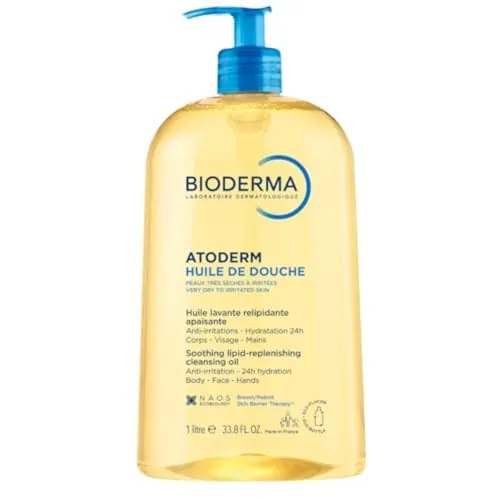
Bioderma Atoderm Shower Oil
- Designed for face and body cleansing, including routine use for the whole family except premature infants.
Comparison
Bioderma Atoderm Shower Oil and Sensibio Foaming Gel are gentle rinse-off cleansers with strong feedback from sensitive-skin users. Atoderm is the more versatile face-and-body cleansing oil, while Sensibio is the fragrance-free foaming gel with stronger overall, value, and ease-of-use scores for facial cleansing.
#1 Overall Winner
Contender
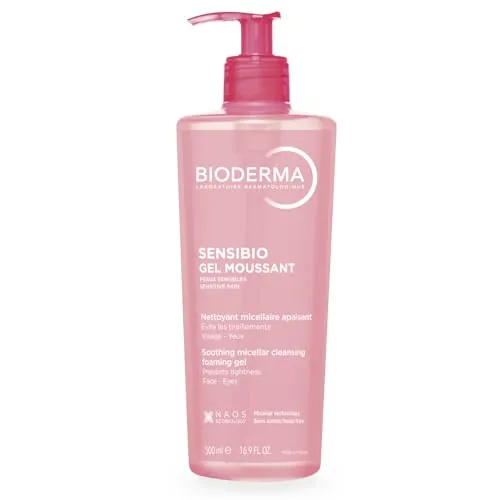
Choose Sensibio Foaming Gel for an unscented, easy-to-use daily facial cleanser with the stronger value and sensitive-skin scores. Choose Atoderm Shower Oil if you want a face-and-body cleansing oil for a dry-skin shower routine. The better product depends on whether facial simplicity or whole-body versatility is the priority.
Overall winner
Depends on your needs
| Feature | Bioderma Atoderm Shower Oil | Bioderma Sensibio Foaming Gel | Winner |
|---|---|---|---|
| Primary format | Cleansing oil |
Foaming gel |
Depends |
| Intended area | Face and body |
Face cleanser |
Bioderma Atoderm Shower Oil |
| Fragrance approach | Fresh scent; fragrance listed |
Unscented; fragrance-free |
Bioderma Sensibio Foaming Gel |
| Overall score | 86 |
89 |
Bioderma Sensibio Foaming Gel |
| Effectiveness | 88 |
91 |
Bioderma Sensibio Foaming Gel |
| Skin compatibility | 90 |
92 |
Bioderma Sensibio Foaming Gel |
| Comfort | 90 |
92 |
Bioderma Sensibio Foaming Gel |
| Ease of use | 87 |
94 |
Bioderma Sensibio Foaming Gel |
| Value | 78 |
92 |
Bioderma Sensibio Foaming Gel |
| Customer satisfaction | 93 |
95 |
Bioderma Sensibio Foaming Gel |
| Best routine fit | Dry-skin shower and body routine |
Daily sensitive-face routine |
Depends |
Sensibio Foaming Gel leads on effectiveness, with a score of 91 compared with Atoderm's 88. Its micellar foaming-gel format, daily wet-skin instructions, and review feedback support effective removal of dirt, oil, sunscreen, and light makeup while retaining a comfortable feel. Atoderm also performs strongly, with buyers frequently reporting cleansing that does not leave skin stripped and makeup removal that works well for them. However, Sensibio is the more focused face cleanser. Heavy makeup may require extra massage or a separate first cleanse according to some feedback, so neither product should be assumed to remove every makeup type equally.
Both cleansers are associated with a fresh, soft, comfortable skin appearance rather than a harshly cleansed or dry-looking finish. Sensibio has the higher beauty-result score and more reviews describing skin as fresh, calm, and balanced after facial cleansing. Atoderm performs well for a smoother, softer body-and-face feel, especially in dry-skin shower routines. For a visibly clean facial finish with light foam and no fragrance, Sensibio has the edge; for comfort across larger body areas, Atoderm is highly relevant.
Sensibio scores 88 for beauty result versus 84 for Atoderm. Reviews of Sensibio repeatedly describe a clean, fresh, soft-looking facial finish without a tight sensation, which suits users seeking a balanced post-cleanse appearance. Atoderm still scores well and is often praised for leaving dry skin smooth and silky rather than oily. The difference is modest: Sensibio is better aligned with a refined daily facial result, while Atoderm is particularly useful for maintaining a comfortable-looking finish after face-and-body shower cleansing.
Both products fit a gentle cleansing step rather than a leave-on treatment. Atoderm is suitable for face and body use and is positioned around dry to sensitive skin, making it useful when shower cleansing leaves skin feeling tight. Sensibio is more specifically tailored to a sensitive facial routine, with an unscented, fragrance-free gel format. Neither product should be treated as a substitute for individual skincare advice, and users with known sensitivities should review the listed formula before use.
Atoderm is the more flexible personal-care option because it is intended for shower use on both face and body; one review also mentions using it for head shaving. Sensibio is best viewed as a dedicated facial cleanser for everyday makeup, sunscreen, and buildup removal. For a streamlined shower product that can cover multiple areas, Atoderm is more practical. For a sink-side facial cleansing routine, Sensibio is more targeted.
Sensibio has the higher safety score, 89 compared with 86 for Atoderm. Its fragrance-free and sulfate-free product details make it the simpler choice for users looking to minimise one common source of cosmetic sensitivity. Atoderm is also positioned for sensitive skin and has positive gentleness feedback, but it contains fragrance and one buyer reported an oily shower residue that could create a slip concern if not cleaned promptly. Both are rinse-off cleansers: avoid eye contact where directed, rinse thoroughly, and stop use if a product causes discomfort.
Sensibio slightly leads on comfort, scoring 92 versus 90. Its reviews consistently describe a soft, light foam that leaves skin fresh without tightness or noticeable scent. Atoderm is also highly comfortable for many users, particularly those who report dry or itchy-feeling skin after conventional body washes. Its oil texture can feel more nourishing, though users who dislike fluid oils or any shower-surface residue may prefer the cleaner gel experience of Sensibio.
Sensibio is easier to use on the supplied scores, with 94 against Atoderm's 87. Apply the gel to wet skin, create a light foam, rinse, and pat dry; this is a familiar facial-cleansing process. Atoderm is still simple to lather and rinse in the shower, but its runny oil consistency can make dosage less intuitive. Atoderm wins for one-product face-and-body convenience, whereas Sensibio wins for controlled, low-fuss facial application.
Sensibio has a clear application advantage, scoring 91 versus 83. Its gel texture turns into a light foam and reviews describe even, comfortable spreading and clean rinsing. Atoderm lathers adequately according to buyers, but the less viscous oil texture can lead to using more than necessary. For users who want measured dispensing and a familiar face-wash texture, Sensibio is the easier option. For shower use on larger areas, Atoderm's fluidity may still be workable with a loofah or washcloth.
Both products score highly for skin compatibility, with Sensibio at 92 and Atoderm at 90. Sensibio has a practical advantage because it is explicitly fragrance-free and unscented in the provided information. Atoderm is designed for dry to sensitive skin and receives strong gentleness feedback, but fragrance is listed in its ingredients. That does not mean it will be unsuitable for everyone, but fragrance-avoidant shoppers may find Sensibio the more straightforward choice. Patch testing or careful first use can be sensible for any new skin-contact product.
Sensibio has the higher finish-quality score, 88 versus 82. Its light gel-to-foam texture is often described as rinsing away fully while leaving the face fresh and comfortable. Atoderm's oil format is praised for a soft, smooth, non-greasy skin feel, but it is more fluid and one review raises concern about residue on shower surfaces. Choose Sensibio for a clean, light facial finish; choose Atoderm when a more cushioning oil-cleanser feel is preferred for dry skin.
Sensibio wins scent considerations with a score of 94, compared with 78 for Atoderm, because it is described as unscented and fragrance-free. Atoderm's fresh scent is generally described by reviewers as light and not overpowering, but fragrance is included in the listed ingredients. Those who enjoy a subtle shower-product scent may be comfortable with Atoderm; those who want to avoid fragrance should choose Sensibio.
Atoderm scores 89 for durability compared with 86 for Sensibio. For these consumable cleansers, this mostly reflects product usability and package longevity rather than tool-like durability. Buyers report that both can last a while when used sparingly. Atoderm is available in generous sizes and some long-term users describe bottles lasting months, while Sensibio reviewers also note that a small amount may be sufficient. The actual duration will depend on pump amount, frequency, and whether the cleanser is used on face only or face and body.
Atoderm scores 78 for personalization and Sensibio scores 76. Atoderm's slight advantage comes from its broader face-and-body role and availability in multiple sizes within the supplied reviews. Sensibio is more narrowly tailored to sensitive facial skin, with a single unscented gel format and several reviewed sizes. Neither offers shades, finishes, or extensive configurable options. The meaningful personalisation choice is therefore routine preference: shower oil for dry-skin body use or fragrance-free gel for daily facial cleansing.
Ingredient-quality scores are tied at 84, so the supplied scoring does not establish a formula-quality winner. Atoderm provides more specific formula detail, including glycerin, niacinamide, citric acid, and fragrance among its listed ingredients. This offers useful transparency but also confirms added fragrance. Sensibio is described as fragrance-free and sulfate-free, with coco glucoside identified as an active ingredient, but a complete ingredient list was not supplied here. As a result, Sensibio is easier to choose for fragrance avoidance, while Atoderm has more detailed formula information available in the provided data.
Sensibio has a small packaging-quality lead, 84 versus 82. Both are supplied in bottles and are available in larger formats that buyers say can last well. Sensibio feedback includes an isolated delivery-packaging concern, while Atoderm's more fluid oil formula may require extra care during dispensing. No decisive hardware or leakage pattern is established by the provided information, so the practical difference is minor. Consider the size that best suits storage and travel needs.
Sensibio is the stronger value choice, scoring 92 versus 78 for Atoderm and carrying the lower listed price in this comparison. Its 16.7-fluid-ounce size, high buyer satisfaction, and reports that a small amount goes a long way all support the score. Atoderm costs more but offers something different: a face-and-body cleansing oil suited to shower use, with larger formats available. It may justify the spend for users who will use that versatility regularly, but Sensibio provides the more compelling value proposition for a primarily facial cleanser.
Sensibio has a modest brand-trust lead, 88 compared with 84, although both products are made by Bioderma. This difference therefore reflects the supplied product-level scoring rather than a different manufacturer. Both have large review volumes and consistent feedback around gentle cleansing. Sensibio's fragrance-free positioning and high satisfaction may build confidence for sensitive-skin facial routines, while Atoderm's established face-and-body use and repeat-purchase comments support trust for dry-skin shower care.
Customer satisfaction is extremely strong for both products: 95 for Sensibio and 93 for Atoderm. Sensibio has a 4.7/5 rating from 22,357 reviews, with repeated praise for its fragrance-free formula, light foam, and comfortable post-wash feel. Atoderm has a 4.5/5 rating from 42,761 reviews and is frequently praised for softness, gentleness, and effective shower cleansing. Repeated cautions are different: Sensibio may be less convenient for heavy makeup, while Atoderm has a higher price, added fragrance, and occasional residue concerns.
Both products have strong claim-support scores, with Sensibio at 86 and Atoderm at 85. Their listed purposes and instructions generally align with customer reports of gentle cleansing, makeup removal, and a less stripped after-feel. Atoderm's face-and-body, dry-skin positioning is supported by relevant product details and reviews, although individual outcomes vary. Sensibio's daily sensitive-face use is similarly supported, but some feedback indicates that heavy makeup may need more than one quick cleanse. These scores reflect available product information and reviews, not independent clinical verification of every marketing statement.
Ethical-transparency scores are tied at 72, and the provided data offers limited information for a fuller comparison. Atoderm is listed as not tested on animals. No equivalent ethical, sustainability, recyclable-packaging, or certification details were supplied for Sensibio. Because the information is incomplete, neither product can be declared more transparent overall from this dataset alone.
Bioderma Sensibio Foaming Gel wins this comparison overall. It has the stronger overall score and leads in effectiveness, skin compatibility, comfort, ease of use, value, customer satisfaction, and scent considerations. Its main strength is a fragrance-free, gentle facial-cleansing format that buyers report feels clean and non-stripping. Its main limitation is that it may need extra effort for heavy makeup and is not positioned as a body wash.
Bioderma Atoderm Shower Oil is the better specialist choice for users who want a face-and-body cleansing oil and value a soft, nourishing shower finish for dry skin. Its limitations are the higher listed price, added fragrance, and potentially messy fluid texture. Choose based on routine scope: Sensibio for daily facial simplicity, Atoderm for shower versatility.

Overall winner
Depends on your needs
Sensibio Foaming Gel is the stronger overall pick in the supplied scores, particularly for facial cleansing, comfort, ease of use, value, and fragrance-free use. Atoderm Shower Oil remains the better fit for shoppers who want one oil cleanser for face and body and prefer its more nourishing shower-routine format.
Both are positioned for sensitive skin and score highly for skin compatibility. Sensibio Foaming Gel has the higher skin-compatibility score and is fragrance-free, making it the more straightforward option for users trying to avoid added fragrance. Individual tolerance still varies, so checking the label and introducing a new cleanser carefully is sensible.
Yes. The provided product details state that Atoderm Shower Oil is suitable for face and body use. It is applied to damp skin, lathered, and rinsed. Its oil format is particularly relevant to users who want a single cleanser across shower and facial routines, although it contains fragrance.
The product is marketed as a gentle makeup-removing cleanser, and several reviews report that it removes light makeup, sunscreen, and daily buildup. However, one review notes that heavier makeup may not be fully removed with a quick wash. Extra massage time or a separate first cleanse may be needed depending on makeup type.
Sensibio Foaming Gel has the higher ease-of-use and application scores. Its wet-skin gel-to-light-foam method is simple and familiar for facial cleansing. Atoderm is also straightforward to use, but its more fluid oil texture can lead to over-dispensing, and one reviewer reported a residue concern on shower surfaces.
Sensibio Foaming Gel has a substantially higher value score and a lower listed price in the supplied data. Its 16.7-fluid-ounce bottle and reports that a small amount goes a long way support that result. Atoderm may still suit buyers who value its face-and-body flexibility and larger available formats, despite its lower value score.
The main difference is format and routine role. Atoderm is a fragranced cleansing oil for face and body, aimed at dry to sensitive skin and shower use. Sensibio is an unscented, fragrance-free micellar foaming gel intended for sensitive facial skin and daily removal of dirt, oil, and light makeup.
Both products have strong claim-support scores, with product instructions, listed features, and a large volume of generally positive buyer feedback aligned around gentle cleansing. This is not the same as clinical proof for every claim. The review evidence is most useful for practical points such as feel, rinsing, and makeup-removal experience.
Check our rankings and expert guides to find the best beauty products for your goals.