
#1 Overall Winner
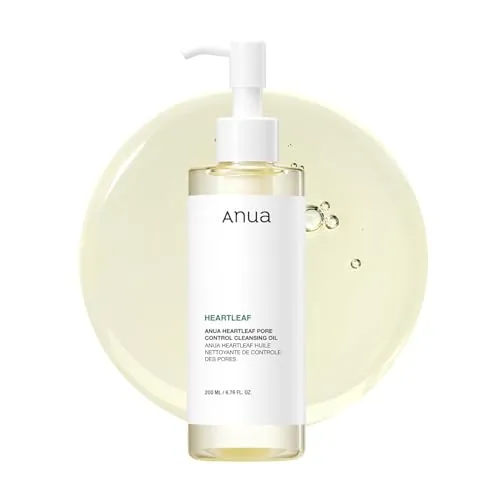
Anua Heartleaf Pore Control Cleansing Oil
- Strong makeup and sunscreen removal performance, including repeated positive feedback for waterproof eye makeup.
Comparison
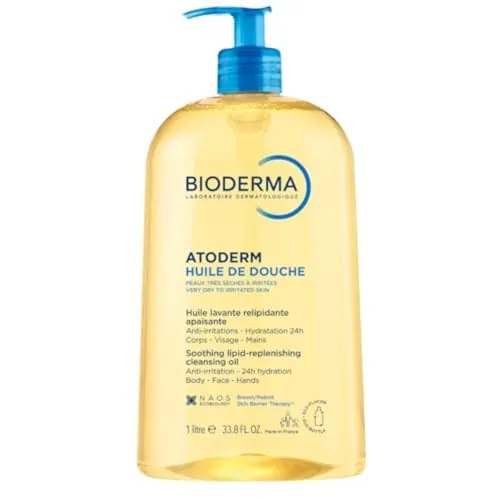
Anua Heartleaf Pore Control Cleansing Oil is a dedicated facial oil cleanser geared toward dissolving makeup, sunscreen, and daily buildup before a possible second cleanse. Bioderma Atoderm Shower Oil is a broader face-and-body option with a stronger dry- and sensitive-skin profile. Anua leads for makeup-removal-focused value and finish, while Bioderma leads for comfort, skin compatibility, and customer satisfaction.
#1 Overall Winner
Contender
Choose Anua if you want a lower-priced, lightweight facial oil cleanser that excels at dissolving makeup and sunscreen as the first step of a double cleanse. Choose Bioderma if dry or sensitive skin comfort and face-and-body versatility matter more. Both are fragranced to some degree, so personal tolerance remains relevant.
Overall winner
Depends on your needs
| Feature | Anua Heartleaf Pore Control Cleansing Oil | Bioderma Atoderm Shower Oil | Winner |
|---|---|---|---|
Overall score |
87 |
86 |
Anua Heartleaf Pore Control Cleansing Oil |
Main routine role |
Facial first cleanse and makeup remover |
Face-and-body shower oil |
Depends |
Effectiveness |
90 |
88 |
Anua Heartleaf Pore Control Cleansing Oil |
Skin compatibility |
78 |
90 |
Bioderma Atoderm Shower Oil |
Finish quality |
90 |
82 |
Anua Heartleaf Pore Control Cleansing Oil |
Comfort |
86 |
90 |
Bioderma Atoderm Shower Oil |
Ease of use |
91 |
87 |
Anua Heartleaf Pore Control Cleansing Oil |
Safety |
77 |
86 |
Bioderma Atoderm Shower Oil |
Customer satisfaction |
88 |
93 |
Bioderma Atoderm Shower Oil |
Value |
84 |
78 |
Anua Heartleaf Pore Control Cleansing Oil |
Listed price |
$17.69 |
$33.99 |
Anua Heartleaf Pore Control Cleansing Oil |
Scent score |
67 |
78 |
Bioderma Atoderm Shower Oil |
Anua scores 90 for effectiveness, ahead of Bioderma at 88. The advantage fits the supplied use instructions and review feedback: Anua is applied to dry skin to dissolve makeup, sunscreen, sebum, and buildup, then emulsified and rinsed. Multiple reviewers specifically mention mascara and waterproof makeup removal with minimal rubbing. Bioderma also cleanses effectively, with reviews noting removal of makeup and daily residue, but its central role is nourishing face-and-body cleansing rather than a targeted first-step makeup remover. For heavy sunscreen or makeup days, Anua is the more purpose-built option.
Anua has the stronger beauty-result score, 88 versus 84, largely because its lightweight oil format is specifically geared toward removing makeup and leaving a clean, smooth-looking base without a greasy residue. Reviewers commonly describe skin as soft, fresh, and balanced after rinsing. Bioderma's visible result is more about comfortable, smooth-feeling skin after face or body cleansing; users frequently mention softness and a silky feel. For a makeup-ready facial cleanse, Anua has the edge. For a comfortable all-over post-shower feel, Bioderma is compelling.
With an 88 beauty-result score, Anua is more likely to appeal to users looking for a smooth, clean-looking facial finish before the rest of their routine. Its listing and reviews repeatedly emphasise a non-greasy rinse and comfortable skin feel. Bioderma scores 84 and is more associated with skin that feels soft, smooth, and less tight after showering. The difference is subtle: Anua prioritises a polished facial-cleanse result, while Bioderma prioritises an all-over nourished feel.
Both products are rinse-off skincare cleansers, but their routine roles differ. Anua is best aligned with an evening facial routine, particularly when sunscreen or makeup needs to be dissolved before a water-based cleanser. Bioderma is built for face-and-body cleansing on damp skin and is more directly positioned for dry to sensitive skin. Neither product should be assumed to suit every individual; fragrance and personal reactivity are relevant for both, and patch testing can be sensible when introducing a new cleanser.
Bioderma is more versatile for personal-care routines because it is intended for both face and body and is used in the bath or shower once or twice daily. Reviews also mention use during general shower routines and shaving a head. Anua is more specialised: its dry-skin application and quick emulsification make it better suited to facial makeup removal and a double cleanse. Neither product is presented as a hair-care treatment.
Bioderma leads safety, 86 versus Anua's 77. Its shower-use directions are simple: apply to damp skin, lather, and rinse thoroughly. Because one review mentions oily residue in the shower, rinse surfaces if needed and take care to avoid slips. Anua's listing cites non-irritation and eye-irritation testing, but user feedback includes isolated reports of burning around the eyes and breakouts. Avoid getting either cleanser directly into the eyes, rinse thoroughly, and discontinue use if discomfort occurs.
Bioderma has a 90 comfort score compared with Anua's 86. Its strongest feedback comes from users seeking a cleanser that leaves dry-feeling skin soft, smooth, and comfortable rather than tight. Anua also performs well: reviewers often praise its lightweight slip, lack of greasy residue, and gentle feel during makeup removal. The main comfort distinction is scope—Bioderma is better supported for whole-body dryness, whereas Anua is optimised for a light facial cleansing experience.
Anua leads ease of use at 91, ahead of Bioderma's 87. Its process is clear for a cleansing oil: apply on dry skin, massage, add water to emulsify, and rinse; a water-based follow-up cleanser is recommended in its listed double-cleanse routine. Bioderma is equally familiar for shower users—apply to damp skin, lather, rinse—but reviews suggest using a small amount because the texture can be runny. Neither requires tools or lengthy setup.
Anua scores 89 for application, compared with Bioderma's 83. The lightweight texture and water-emulsifying step give Anua good spread across dry facial skin, and users repeatedly report that it breaks down makeup without hard rubbing. Bioderma applies on wet skin and can lather, making it convenient in a shower, but its thinner consistency may require more deliberate dispensing. Anua is better for precise facial massage; Bioderma is better for quick, broad face-and-body cleansing.
Bioderma has a clear lead for skin compatibility, scoring 90 against Anua's 78. It is specifically listed for dry to sensitive skin, and reviewers often report cleansing without dryness, itchiness, or tightness. Its formula data also lists glycerin and niacinamide, though no conclusion about individual tolerance can be guaranteed. Anua is described as suitable for all skin types and has favourable sensitive-skin feedback, but reports of breakouts and occasional eye discomfort make the result more variable. Both products have fragrance considerations.
Anua leads finish quality at 90 versus Bioderma's 82. Its main strength is the dry-skin oil-to-milky-emulsion process, which reviewers often say leaves skin clean and balanced rather than oily or coated. Bioderma is also generally reported to rinse clean and leave skin soft, but its shower-oil texture is described as runnier, and one reviewer flagged oily residue on shower surfaces. Choose Anua for a lighter facial finish; choose Bioderma for a more nourishing shower-cleanse feel.
Bioderma leads longevity, 88 to 82. Reviews of larger Bioderma bottles indicate that a small amount can last for months with regular use, although the runnier formula may lead to overuse until dispensing is adjusted. Anua's 200 mL bottle is also reported to last several months for some users, particularly with one or two pumps per cleanse. Actual duration will depend on makeup use, body use in Bioderma's case, and pump quantity.
Bioderma has the higher scent score, 78 versus Anua's 67. Reviews typically describe Bioderma's scent as light, fresh, or not lingering, although fragrance appears in the supplied ingredient list. Anua's rosemary scent receives more divided feedback, with some users finding it light and others considering it noticeably fragrant. Neither is the clearest choice for someone who prefers products without scent-related considerations.
Bioderma scores 89 for durability, ahead of Anua's 81. Reviewers describe large Bioderma bottles lasting a long time when only small amounts are used, supporting its usefulness for regular face-and-body cleansing. Anua is also reported to last around several months for some users, particularly at one or two pumps per use. These are consumable cleansers rather than durable tools, so the comparison is mainly about how long the formula and bottle remain practical during normal use.
Bioderma leads personalization, 78 to 62, mainly through broader routine flexibility: it is presented for face and body, family use except premature infants, and dry to sensitive skin, with several size variants visible in reviews. Anua is more focused on one facial cleansing role, with a 200 mL bottle and a dry-skin double-cleanse method. Neither product offers shade or finish selection; the decision is about skin needs, cleansing method, and where on the body it will be used.
Bioderma scores 84 for ingredient quality, slightly above Anua's 80. A more detailed comparison is possible for Bioderma because a full supplied ingredient list includes glycerin, niacinamide, cleansing agents, and fragrance. Those listed humectant and skin-conditioning ingredients align with its nourishing cleanser positioning, but fragrance may not suit every preference. Anua's supplied information highlights Heartleaf extract and a rosemary scent, but a complete ingredient list was not provided. Its score and testing claims support a generally strong profile, while limiting formula-level comparison.
Bioderma leads packaging quality, 82 to 76. Its bottle format is supported by reviews across several sizes, including larger formats that can suit frequent household use. Anua's bottle and pump-style usage are practical for controlled facial cleansing, but no detailed packaging strengths were supplied beyond the bottle format. For either product, use measured amounts to reduce waste; Bioderma's thinner formula may benefit from especially careful dispensing.
Anua has the stronger value score, 84 compared with Bioderma's 78, and the listed price is considerably lower: $17.69 versus $33.99. For buyers who mainly need a facial product to remove sunscreen and makeup, Anua's targeted performance and 200 mL size make a persuasive lower-cost choice. Bioderma costs more upfront, but its face-and-body role and larger reviewed size options may improve value for households or frequent shower use. The better value depends on whether broad-use versatility justifies the higher spend.
Bioderma leads brand trust, scoring 84 versus Anua's 79. In the supplied data, Bioderma combines a detailed ingredient list, clear face-and-body instructions, and highly positive buyer sentiment across more than 42,000 reviews. Anua also has a substantial review base and clear double-cleansing directions, plus listed testing claims. However, brand trust scores are comparative indicators, not a guarantee that either formula will perform identically for every person.
Bioderma scores 93 for customer satisfaction, ahead of Anua at 88, and has a 4.5/5 average from 42,761 reviews versus Anua's 4.4/5 from 27,010 reviews. Bioderma buyers repeatedly praise softness, gentleness, and a non-stripped feel, particularly for dry skin. Anua customers strongly praise makeup removal, easy emulsification, and comfortable cleansing. The main negative pattern for Anua is occasional breakouts or eye discomfort; for Bioderma, price and possible shower residue are the clearer concerns.
Claim support is close: Bioderma scores 85 and Anua 84. Anua supplies specific directions, a stated sebum-related clinical-testing result, and references to hypoallergenic, non-irritation, eye-irritation, and non-comedogenic testing. These are product-listing claims and should not be treated as a prediction of every user's outcome. Bioderma supports its positioning through a supplied ingredient list, dry-sensitive-skin directions, and consistently relevant review feedback. Neither product's customer reviews constitute clinical evidence, and individual skin response can vary.
Bioderma scores 72 for ethical transparency, above Anua's 52. The supplied Bioderma specifications state that it is not tested on animals and provide a full ingredient list. No equivalent ethical claim or complete ingredient list was supplied for Anua. This comparison reflects the information available here rather than a wider assessment of either brand's policies or sourcing practices.
Anua is the narrow overall winner for a dedicated facial cleansing-oil task, with an 87 overall score, excellent makeup-removal focus, a high-quality clean-rinsing finish, and stronger value at the listed price. Its key limitation is variability in tolerance: fragrance, breakouts, and isolated eye-area discomfort appear in the supplied feedback.
Bioderma is the better specialist choice for dry and sensitive-skin comfort, despite an 86 overall score. It excels in skin compatibility, safety, comfort, customer satisfaction, and face-and-body versatility. Its limitations are the higher price, fragrance content, and potential for residue on shower surfaces. The right purchase depends on whether targeted facial makeup removal or broad, nourishing shower cleansing matters more.
Overall winner
Depends on your needs
Neither is the best choice for every routine. Anua has the stronger makeup-removal-focused performance profile, lower listed price, and easier dry-skin oil-cleansing method. Bioderma has stronger scores for skin compatibility, comfort, and customer satisfaction, and it can be used on both face and body. Choose based on whether dedicated makeup removal or dry-skin shower care is the priority.
Bioderma is the more data-supported option for dry and sensitive skin, with a 90 skin compatibility score and a 90 comfort score. Its listing specifically targets dry to atopic sensitive skin and includes glycerin and niacinamide. Anua may still suit some sensitive users, but its 78 skin compatibility score reflects mixed reports, including some breakouts and eye-area discomfort.
Anua is the more targeted pick for makeup removal. Its 90 effectiveness score and 89 application score align with its dry-skin massage-and-emulsify directions and repeated feedback about removing sunscreen, mascara, and makeup with little rubbing. Bioderma also receives positive comments for removing makeup, but its primary listed role is a nourishing face-and-body shower oil.
Yes. The supplied product information identifies the face as a target body part and describes the product as a cleanser for face and body. Its directions say to apply it to damp skin, lather, and rinse thoroughly. As with any fragranced cleanser, stop use if it feels uncomfortable and consider personal sensitivity before routine use.
Anua scores slightly higher for ease of use, 91 versus Bioderma's 87. Its routine is more specific: apply to dry skin, massage, add water to emulsify, rinse, then optionally follow with a water-based cleanser. Bioderma is also simple to use in the shower on damp skin, though reviewers note its runnier consistency can make dispensing control important.
Anua has the higher value score, 84 versus 78, and its listed price is lower at $17.69 compared with $33.99 for Bioderma. Bioderma may still provide worthwhile value for users who will use its face-and-body format regularly or choose a larger size. Value depends on how much product is used and whether its broader shower use fits the routine.
Both have scent considerations. Anua lists rosemary as its scent name, and reviews range from light or acceptable to overly fragrant. Bioderma's supplied ingredient list includes fragrance (parfum), although several reviewers describe the scent as light. People who are scent-sensitive should check the current product label and consider a patch test before regular use.
Both have reasonably strong claim-support scores: 84 for Anua and 85 for Bioderma. Anua's listing cites hypoallergenic, non-irritation, eye-irritation, and non-comedogenic testing, while Bioderma provides a detailed ingredient list and a dry-sensitive-skin positioning. Customer feedback is generally favourable for both, but it is not clinical proof, and individual reactions differ.
Check our rankings and expert guides to find the best beauty products for your goals.