#1 Overall Winner
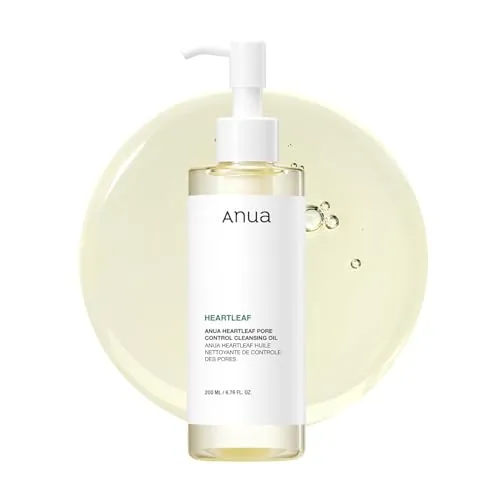
Anua Heartleaf Pore Control Cleansing Oil
- Strong makeup and sunscreen removal performance, including repeated positive feedback about waterproof eye makeup.
Comparison
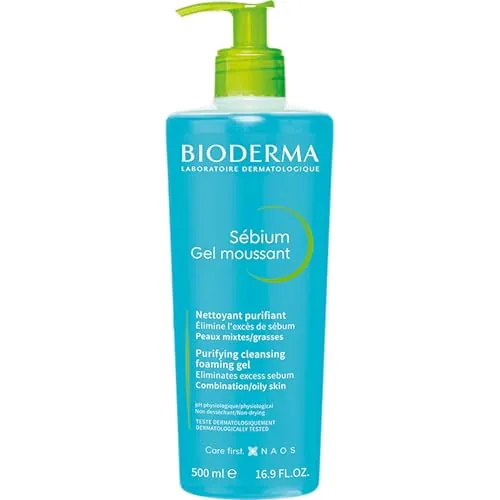
Anua Heartleaf Pore Control Cleansing Oil and Bioderma Sébium are facial cleansers, but they fit different steps and skin priorities. Anua is a lightweight oil geared toward dissolving makeup and sunscreen before a double cleanse, while Bioderma is a gel cleanser aimed at combination-to-oily skin and excess sebum. Anua has the higher overall score, but Bioderma leads for skin compatibility, safety, value, and customer satisfaction.
#1 Overall Winner
Contender
Choose Anua if makeup and sunscreen removal, a comfortable oil texture, and double cleansing are your priorities. Choose Bioderma Sébium if you have combination-to-oily skin and want a simple gel cleanser with stronger skin-compatibility, safety, value, and customer-satisfaction scores. If you are scent- or sensitivity-conscious, review current product details and introduce either product cautiously.
Overall winner
Depends on your needs
| Feature | Anua Heartleaf Pore Control Cleansing Oil | Bioderma Sébium Makeup Removing Cleanser | Winner |
|---|---|---|---|
| Format | Lightweight cleansing oil | Foaming gel cleanser | Depends |
| Primary routine fit | Makeup, sunscreen, and double cleansing | Combination-to-oily daily cleansing | Depends |
| Overall score | 87 | 82 | Anua Heartleaf Pore Control Cleansing Oil |
| Effectiveness | 90 | 87 | Anua Heartleaf Pore Control Cleansing Oil |
| Beauty result | 88 | 84 | Anua Heartleaf Pore Control Cleansing Oil |
| Skin compatibility | 78 | 82 | Bioderma Sébium Makeup Removing Cleanser |
| Safety | 77 | 82 | Bioderma Sébium Makeup Removing Cleanser |
| Comfort | 86 | 80 | Anua Heartleaf Pore Control Cleansing Oil |
| Ease of use | 91 | 86 | Anua Heartleaf Pore Control Cleansing Oil |
| Value | 84 | 86 | Bioderma Sébium Makeup Removing Cleanser |
| Customer satisfaction | 88 | 91 | Bioderma Sébium Makeup Removing Cleanser |
| Price supplied | $17.69 | $22.99 | Anua Heartleaf Pore Control Cleansing Oil |
| Scent listing | Rosemary | Unscented | Depends |
| Claim support | 84 | 72 | Anua Heartleaf Pore Control Cleansing Oil |
Anua leads effectiveness, scoring 90 versus Bioderma's 87. The difference reflects Anua's especially clear fit for dissolving sunscreen, makeup, and sebum in an oil-first cleanse; reviewers repeatedly mention mascara removal, minimal rubbing, and clean rinsing after emulsification. Bioderma also performs strongly, with feedback centered on thorough cleansing for oily or combination skin and a clean, fresh result. For full-face makeup removal, Anua has the stronger supplied evidence. For routine cleansing when excess oil is the main concern, Bioderma remains a close and practical alternative.
Both cleansers are intended to leave skin looking clean and refreshed, but their visible results differ by format. Anua has the higher beauty-result score and is repeatedly described as leaving a soft, balanced-looking finish after breaking down makeup and sunscreen. Bioderma is more focused on reducing the look of surface shine and cleansing oily areas, with users often reporting a fresh feel. Choose Anua for a comfortable, post-makeup-removal finish; choose Bioderma if a less shiny-looking cleanse for combination-to-oily skin is the priority.
Anua's beauty-result score of 88 is higher than Bioderma's 84. Its reviewers commonly describe soft, smooth-feeling skin and a balanced finish after makeup or sunscreen removal, without an oily residue when properly emulsified. Bioderma's result is more shine-control oriented: buyers with oily skin frequently report clean, fresh-looking skin, although a few mention tightness. Anua is the better fit for a comfortable, makeup-removing finish, while Bioderma is better aligned with a less shiny post-cleanse appearance.
These are both skincare cleansers, but they work best in different routines. Anua is a first-cleanse oil: apply it to dry skin, emulsify with water, rinse, and optionally follow with a water-based cleanser as directed in its listing. Bioderma is a gel cleanser that can suit the main cleansing step for combination-to-oily skin. Neither product's positive reviews guarantee the same result for every skin type, particularly where fragrance, breakouts, tightness, or eye sensitivity are concerns.
Bioderma leads safety, scoring 82 against Anua's 77. Bioderma is listed as non-comedogenic and has positive feedback from some users with sensitive skin, but some people still report a tight feel after cleansing. Anua's listing cites eye-irritation, non-comedogenic, and non-irritation testing, yet review feedback includes isolated eye burning and breakout reports. For either rinse-off cleanser, avoid deliberate eye exposure, rinse thoroughly, follow the product directions, and discontinue use if it causes discomfort. Product claims and customer reviews are not a substitute for individual tolerance.
Anua scores higher for comfort, 86 versus 80. Its lightweight texture, slip during massage, and clean-rinsing feel receive frequent praise, particularly from reviewers who dislike heavy cleansing oils. Bioderma is often described as gentle and fresh, especially by oily-skin users, but occasional comments about tightness lower its comfort case. Anua is the stronger option for those who value a cushioned cleansing texture; Bioderma may feel more comfortable to users who prefer a light gel wash.
Anua leads ease of use at 91, while Bioderma scores 86. The oil spreads easily and emulsifies quickly, according to its listing and reviews, although it is best used through a dry-skin-to-water sequence and may be followed by another cleanser. Bioderma uses the familiar format of a rinse-off gel wash, which can be simpler for a minimal routine. Anua wins on the supplied score, but the easier product in practice depends on whether you prefer a dedicated first cleanse or one standard wash step.
Anua's application score is 89, above Bioderma's 84. Its fluid oil texture is reported to spread easily, allowing users to massage makeup and sunscreen before adding water to emulsify it. Bioderma's gel format is more direct for wet-skin washing, and users generally describe a smooth, easy rinse. Anua offers more slip and makeup-removal flexibility; Bioderma offers the familiar convenience of a gel cleanser. Proper use matters for both, particularly Anua's dry-skin application method.
Bioderma has the higher skin-compatibility score, 82 versus Anua's 78. Its combination-to-oily positioning and review feedback include positive experiences from some sensitive-skin users, though this does not establish universal suitability. Anua is marketed for all skin types and receives many gentle-use comments, but its review set also includes reports of small breakouts and eye-area burning. Both options require individual judgment; scent preference, current routine, and response to a new cleanser can matter more than a general skin-type label.
Anua leads finish quality with a score of 90, compared with Bioderma's 80. Its oil is designed to turn milky with water and rinse cleanly, and buyers often highlight the absence of a slippery or greasy after-feel. Bioderma is intended to provide a shine-free, comfortable result, which suits its oily-skin focus, but some reviewers note post-cleanse tightness. For a soft, balanced finish after removing makeup, Anua has the advantage; for a clean, less shiny feel, Bioderma may suit the right skin type.
Anua has the higher longevity score, 82 compared with Bioderma's 62. Reviewers note that a small amount of Anua can be enough per use, with one reviewer estimating a bottle lasted several months. Bioderma's supplied review data includes positive value comments, but it offers less direct evidence about how long a bottle lasts in routine use. Actual longevity will vary with bottle size, frequency, and how much product is dispensed.
The scent scores are close: Anua scores 67 and Bioderma 68. Anua is listed as rosemary-scented, with customers divided between light, acceptable fragrance and a noticeably fragrant experience. Bioderma is listed as unscented, but some reviews mention a soft aroma and others find the scent unpleasant or more noticeable than expected. Neither has a decisive scent advantage for highly scent-sensitive users; confirm current product information before buying.
Anua has the higher durability score, 81 versus Bioderma's 72. For these consumable cleansers, this mainly reflects expected product usability and packaging stability rather than tool-like durability. Anua reviewers note that the bottle can last through regular use when dispensed sparingly. Bioderma's lower score is consistent with some shipment-related leakage or packaging complaints in the supplied feedback. Storage conditions, seal integrity, and dispensing habits can affect real-world product longevity for both.
Bioderma leads personalization, scoring 68 versus Anua's 62. Its focused combination-to-oily skin positioning gives shoppers a clearer starting point when excess oil and shine are central concerns. Anua is listed for all skin types and works in a specific double-cleansing format, offering flexibility for makeup wearers but less targeted skin-type personalization in the provided data. Neither product offers shades or device settings, so the main personalization factors are skin type, preferred texture, scent tolerance, and routine structure.
Anua scores 80 for ingredient quality, slightly ahead of Bioderma at 78. The supplied Anua information identifies Heartleaf extract and a rosemary scent, while the Bioderma listing identifies zinc gluconate, copper sulfate, and lactic acid. However, complete ingredient lists and independent ingredient assessments are not provided, so the scores should not be read as proof that either formula will suit every user. Anua's fragrance presence may be a consideration for scent-sensitive shoppers. Bioderma is listed as unscented, although customer feedback about aroma is inconsistent.
Anua scores 76 for packaging quality, ahead of Bioderma's 70. Both are supplied in bottles, and Anua reviewers mention economical pump use, though no detailed pump specification is provided. Bioderma's packaging feedback includes reports of a bottle arriving open or being roughly handled in transit. These shipping reports do not necessarily reflect every bottle's design, but they are relevant when ordering online. Check the seal and packaging condition upon delivery for either product.
Bioderma narrowly wins value with a score of 86 compared with Anua's 84, despite its higher supplied price of $22.99 versus $17.69. Its value case comes from strong customer satisfaction, repeat-buyer feedback, and a clear daily-use role for combination-to-oily skin. Anua remains competitively priced and offers 200 mL, with reviewers noting that one or two pumps may be enough per use. Choose Bioderma for scored everyday value in an oily-skin gel cleanser; choose Anua if makeup-removing performance and a lower upfront price matter more.
Bioderma has a modest brand-trust lead, scoring 82 versus Anua's 79. The supplied data supports this through Bioderma's strong repeat-purchase comments and high customer satisfaction, rather than through broader brand claims not provided here. Anua also has a substantial review base and many routine-staple comments, particularly around makeup removal and double cleansing. The difference is small, so product format and skin needs are more useful decision factors than brand trust alone.
Bioderma leads customer satisfaction at 91, ahead of Anua's 88, and has the higher supplied average rating: 4.6/5 from 21,414 reviews versus 4.4/5 from 27,010 reviews. Bioderma's buyers frequently praise its oily-skin cleansing, fresh feel, and repeat-purchase appeal. Anua also receives extensive praise for effective makeup removal, moisture comfort, and clean rinsing. The main recurring concerns are breakouts, fragrance, or eye discomfort with Anua, and scent, lather, tightness, or shipping issues with Bioderma.
Anua has the higher claim-support score, 84 compared with Bioderma's 72. Its listing provides specific test-related statements about sebum change, eye irritation, non-comedogenic status, and non-irritation testing, while review feedback broadly supports its makeup-removing and clean-rinsing role. These statements remain product-provided claims; no independent clinical documentation is included in the supplied data. Bioderma's cleansing and oily-skin focus are consistent with many user reports, but the evidence provided is less detailed for broader claims about limiting blemishes or reducing irregularities.
Anua Heartleaf Pore Control Cleansing Oil is the overall winner on the supplied data, scoring 87 to Bioderma's 82. Its main advantage is high-performing makeup and sunscreen removal with a lightweight, clean-rinsing oil texture that suits a double cleanse. Its key limitation is less consistent tolerance: fragrance, breakouts, and occasional eye discomfort appear in the review feedback.
Bioderma Sébium is the more targeted alternative for combination-to-oily skin and a straightforward gel-cleansing step. It stands out for skin compatibility, safety, value, customer satisfaction, and repeat-buyer support. Its main drawbacks are occasional tightness, inconsistent scent or lather feedback, and some delivery-packaging complaints. Choose based on routine format first: Anua for oil-first makeup removal, Bioderma for daily oily-skin gel cleansing.

Overall winner
Depends on your needs
Anua is the stronger overall pick in the supplied scores, particularly for makeup removal, finish, comfort, and ease of use. Bioderma is the more targeted choice for combination-to-oily skin and leads for skin compatibility, safety, value, and customer satisfaction. The better option depends mainly on whether you need an oil first cleanse or a daily gel wash.
Anua is the clearer fit for makeup and sunscreen removal. Its oil format is intended for use on dry skin before emulsifying with water, and several reviewers specifically praise its ability to remove mascara and other makeup with minimal rubbing. Bioderma is listed as a makeup-removing gel cleanser, but the supplied evidence emphasizes general cleansing and oil control more strongly.
Bioderma Sébium is more directly targeted to combination-to-oily skin. Its listing highlights shine-free cleansing and excess-sebum absorption, and review feedback frequently mentions oily skin, a fresh finish, and a clean feel. Anua can also remove sebum and buildup, but its oil format is more specifically positioned as a makeup-removing first cleanse.
Bioderma has the higher skin-compatibility and safety scores, and multiple reviewers with sensitive skin report a comfortable experience. However, individual results vary: some Bioderma users mention tightness, while some Anua users report breakouts or eye-area discomfort despite many positive gentle-use reviews. Check the ingredients, introduce one product at a time, and stop use if discomfort occurs.
Anua has the higher ease-of-use score, supported by its fluid texture and quick emulsification. It does require a specific sequence: apply to dry skin, massage, add water, and rinse; the listing also suggests following with a water-based cleanser. Bioderma is a more conventional gel wash, which may feel simpler for users who prefer one rinse-off cleansing step.
Bioderma has the higher value score, even though its supplied price is higher. Its strong customer satisfaction, repeat-purchase feedback, and suitability for routine gel cleansing support that result. Anua is less expensive in the supplied data and has a larger 200 mL format, with reviewers noting that one or two pumps can be sufficient. Value therefore depends on routine needs and how quickly each format is used.
Anua has the higher claim-support score. Its listing includes test-related statements for sebum change, eye irritation, non-comedogenic status, and hypoallergenic or non-irritation testing, but those are product claims rather than independent evidence in the supplied data. Bioderma's cleansing and oily-skin positioning aligns with review feedback, while stronger support for every broader listing claim is not provided.
Anua is listed with a rosemary scent, and feedback ranges from light or acceptable to overly fragrant. Bioderma is listed as unscented, yet some reviewers describe a soft or pleasant aroma while others find it noticeable. Anyone who avoids fragrance or is particularly scent-sensitive should verify the current ingredient and product information before purchasing.
Check our rankings and expert guides to find the best beauty products for your goals.