#1 Overall Winner
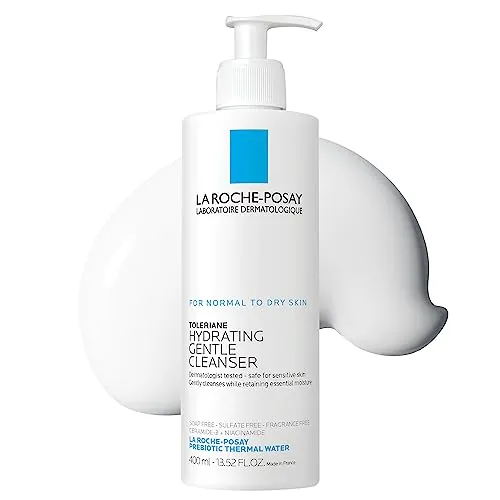
La Roche-Posay Toleriane Hydrating Gentle Face Cleanser
- Designed for normal to dry skin, including sensitive skin.
Comparison
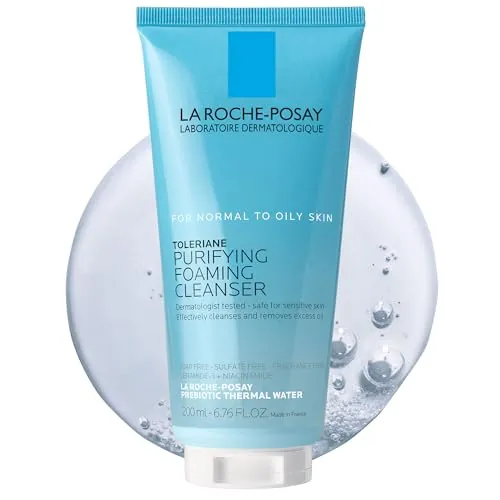
La Roche-Posay Toleriane Hydrating Gentle Cleanser is a creamy daily wash aimed at normal-to-dry sensitive skin, while the Purifying Foaming Cleanser is a gel cleanser aimed at normal-to-oily sensitive skin. Both are fragrance-free formulas built around niacinamide, ceramide-3, glycerin, and thermal water, but Product B leads on overall performance and value scores. Product A is the more natural fit for users who want a non-foaming, comfort-focused cleanse.
#1 Overall Winner
Contender
Choose the Hydrating Gentle Cleanser if you have normal-to-dry skin and prefer a creamy, non-foaming wash that reviewers often find comfortable. Choose the Purifying Foaming Cleanser if your skin is oily, combination, or you prefer a light lather and stronger score-led value. Both are fragrance-free sensitive-skin options, but neither guarantees a reaction-free experience for every user.
Overall winner
Depends on your needs
| Feature | La Roche-Posay Toleriane Hydrating Gentle Face Cleanser | La Roche-Posay Toleriane Purifying Foaming Facial Cleanser | Winner |
|---|---|---|---|
Overall score |
87 |
92 |
La Roche-Posay Toleriane Purifying Foaming Facial Cleanser |
Best skin-type fit |
Normal to dry, sensitive skin |
Normal to oily, sensitive skin |
Depends |
Texture |
Cream, non-foaming |
Gel that foams |
Depends |
Effectiveness score |
88 |
93 |
La Roche-Posay Toleriane Purifying Foaming Facial Cleanser |
Skin compatibility score |
90 |
94 |
La Roche-Posay Toleriane Purifying Foaming Facial Cleanser |
Comfort score |
90 |
90 |
Tie |
Ease-of-use score |
91 |
89 |
La Roche-Posay Toleriane Hydrating Gentle Face Cleanser |
Ingredient-quality score |
86 |
90 |
La Roche-Posay Toleriane Purifying Foaming Facial Cleanser |
Safety score |
84 |
93 |
La Roche-Posay Toleriane Purifying Foaming Facial Cleanser |
Scent |
Unscented; score 96 |
Fragrance-free; score 96 |
Tie |
Value score |
84 |
91 |
La Roche-Posay Toleriane Purifying Foaming Facial Cleanser |
Customer satisfaction |
4.6/5 from 38,430 reviews; score 93 |
4.7/5 from 48,795 reviews; score 96 |
La Roche-Posay Toleriane Purifying Foaming Facial Cleanser |
Price supplied |
$19.99 |
$15.99 |
La Roche-Posay Toleriane Purifying Foaming Facial Cleanser |
Heavy makeup removal |
May need a first cleanse |
May benefit from a first cleanse |
Tie |
Product B leads effectiveness, scoring 93 compared with 88 for Product A. Its gel formula is specifically positioned to cleanse excess oil, makeup, and impurities, while review feedback often describes a clean rinse and a light foam that feels effective without residue. Product A still performs strongly as a daily cleanser, especially for dirt, light makeup, sunscreen, and routine buildup, but its creamy non-foaming format can feel less thorough to users who prefer a deeper-clean sensation. Neither product has decisive evidence in the supplied data for removing heavy makeup alone; a separate first cleanse may be useful.
For the immediate post-cleanse look and feel, Product A is geared toward skin that feels soft, comfortable, and hydrated rather than intensely clarified. Product B is more likely to appeal to users who want a clean, fresh, low-residue finish after oil and everyday buildup. Product B has the higher beauty-result score, 88 versus 84, but that lead reflects its broader cleansing performance rather than a guarantee of a better result for dry skin. The preferred result depends on whether your skin looks and feels better after a cream cleanse or a light foaming cleanse.
Product B's beauty-result score of 88 is higher than Product A's 84. Its stronger result is tied to a purifying, fresh skin feel that may suit oily or combination skin and people who like a foaming rinse. Product A prioritizes a softer, hydrated-looking and comfortable post-cleanse result, with many reviews noting no tightness or stripped feeling. Neither cleanser is a colour or coverage product, so the visible difference is primarily about how balanced, smooth, and comfortable skin appears after washing.
Both products fit a simple daily skincare routine and share several relevant formula features: fragrance-free positioning, ceramide-3, niacinamide, glycerin, thermal water, and non-comedogenic claims. Product A is tailored to normal-to-dry skin and prioritizes a comfortable, moisture-conscious cleanse. Product B is tailored to normal-to-oily skin and focuses more on excess oil and impurities while maintaining a non-stripping positioning. For either cleanser, review reports of stinging, tightness, or breakouts show that individual tolerance still matters.
Product B leads safety with a score of 93, compared with 84 for Product A. Both are facial cleansers described as dermatologist-tested and allergy-tested, and both are fragrance-free and non-comedogenic according to their listings. These attributes can be useful routine considerations, but they do not guarantee that a product will be suitable for every person. Product A has review reports of stinging and irritation, while Product B has some reports of tightness or dryness. Avoid contact with eyes, rinse thoroughly, and discontinue use if a product causes persistent discomfort.
Comfort is a tie at 90 for both cleansers, but the experience differs. Product A's creamy, non-foaming texture is repeatedly described as gentle and comfortable, particularly when skin feels dry. Product B feels lighter and provides a soft foaming lather that many users find refreshing and non-greasy. The main comfort trade-off is that Product B can feel slightly dry or tight for some users, while Product A can feel too mild for users who expect foam or a more pronounced clean sensation.
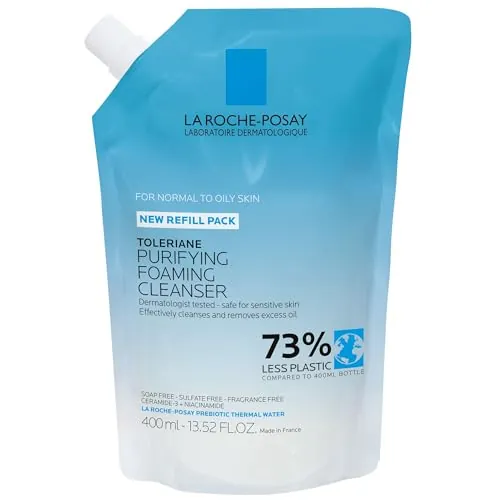
Product A has a small ease-of-use lead, 91 versus 89. Reviewers say its cream spreads readily, rinses well, and can work with a single pump. Product B is also simple to use: its gel foams easily, rinses cleanly, and requires only a small amount according to several buyers. Product B's refill option may be convenient for some, but one reviewer found the refill bag floppy and difficult to pour, with a cap problem. Standard bottle preference may remove that issue.
Application is tied at 88. Product A applies as a smooth cream that users massage over the face before rinsing; it suits those who do not want a bubbly texture. Product B dispenses as a thin gel and foams readily with water, creating a lighter lather. Both are reported to rinse without obvious residue. The choice is practical rather than score-driven: choose Product A for a cream cleanse and Product B for a gel-to-foam application.
Both cleansers score well for skin compatibility, but Product B leads at 94 versus 90. Each is fragrance-free and formulated with ceramide-3, niacinamide, glycerin, and thermal water, while Product A is specifically listed for normal-to-dry sensitive skin and Product B for all, oily, and sensitive skin. Feedback is not universally identical: Product A has reports of stinging and breakouts, and Product B has reports of mild tightness or dryness. Users with highly reactive skin should introduce one product at a time and stop use if discomfort occurs.
For cleanser finish, Product A scores 82 and Product B scores 86. Product A has a cream, non-foaming format associated in reviews with a soft, hydrated, non-squeaky result. Product B's gel creates a creamy lather and is more often described as clean-rinsing and lightweight, without a greasy film. Product B has the numerical edge, but Product A may offer the better finish for someone whose skin often feels dry or tight after foaming cleansers.
Longevity is less central for rinse-off cleansers than for leave-on skincare, but Product B scores higher at 85 versus 72. Reviewers for Product B note that a small amount can go a long way, which may support longer use per bottle. Product A reviews also say one pump can be sufficient and describe the bottle as a good size. Exact longevity will depend on the purchased format, use frequency, and amount dispensed.
This is a tie. Product A is listed as unscented and Product B as fragrance-free, with both earning a scent score of 96. Reviews generally describe little to no noticeable fragrance, which can be helpful for people who prefer an unscented routine. Scent preference is therefore unlikely to decide this comparison.
Product B has a slightly higher durability score, 84 compared with 82 for Product A. For these rinse-off cleansers, durability is best understood as practical product usability and package stability rather than hardware longevity. Both receive positive feedback that a small amount can be enough for a wash, which can help a bottle last. Product B's refill packaging has a reported cap issue, while no comparable package-specific concern is supplied for Product A. Check the bottle or refill format before buying.
Product B scores higher for personalization, 80 versus 73, largely because its listed use spans all, oily, and sensitive skin and its format appeals to users seeking a foaming cleanse. Product A is more narrowly focused on normal-to-dry sensitive skin and a cream texture. Neither product offers shades, scents, or custom settings, so personalization primarily comes from matching your skin's oil-dry balance and texture preference. Product A is more targeted; Product B is more broadly positioned.
Product B has a higher ingredient-quality score, 90 compared with 86 for Product A. The supplied formulas share the same notable listed ingredients: ceramide-3, niacinamide, glycerin, and prebiotic thermal water. Both are also listed as fragrance-free and soap-free, while Product B additionally lists sulfate-free status. The score difference does not establish that Product B's ingredient list is universally superior; the supplied data does not provide full ingredient lists or concentrations. It more clearly reflects Product B's stronger overall formula positioning and support in this comparison dataset.
Product B has a modest packaging-quality lead, 82 versus 80. Both are sold in bottle packaging, and reviews describe pump use as convenient for daily cleansing. Product A's large bottle format is often seen as practical, while Product B also has refill formats noted in reviews. The refill may reduce the need for a new bottle, but the supplied feedback includes one report that the refill bag was awkward to pour and its cap failed. Packaging preference depends on the exact format purchased.
Product B is the better value by the supplied score data, earning 91 versus 84 for Product A. It also has the lower listed price, $15.99 compared with $19.99, and buyers often say that a little product goes a long way. Product A is also viewed positively for bottle size and daily usability, so it can still be worthwhile when its creamy texture better matches dry skin. Because the supplied listings reference different sizes and variants, compare the exact fluid-ounce amount, bottle versus refill format, and current price before deciding solely on sticker price.
Both products come from La Roche-Posay and have strong brand-trust scores, so there is no meaningful brand-choice divide here. Product B scores 90 and Product A scores 88. Their shared Toleriane positioning, dermatologist-tested listings, and similar ingredient approach may give existing users confidence in either option. Product B's small lead is consistent with its stronger overall dataset performance, but product fit should remain more important than the narrow difference in brand-trust score.
Product B leads customer satisfaction with a score of 96, a 4.7/5 rating, and 48,795 reviews. Buyers frequently praise its foaming action, clean rinse, fragrance-free formula, and ability to handle oil without an overly stripped feel. Product A also has excellent satisfaction, scoring 93 from 38,430 reviews at 4.6/5. Its repeated praise centers on gentle cleansing, comfort, and lack of dryness. Complaints are limited but relevant: Product A has reports of stinging or breakouts, while Product B has reports of tightness and awkward refill handling.
Product B has the higher claim-support score, 92 versus 86. Its supplied listing includes a stated four-week consumer-study result alongside detailed formula and use claims, although that consumer-study information should not be treated as independent clinical proof. Product A is also described as clinically proven and provides a clear cleansing-and-comfort product rationale, but the supplied data gives less detail about the underlying evidence. For both, ingredient descriptions and buyer reports support routine cleansing expectations, not guaranteed outcomes for irritation, breakouts, discoloration, or any condition.
The Toleriane Purifying Foaming Facial Cleanser is the overall winner in this comparison. It has the higher overall score, stronger effectiveness, safety, value, claim-support, and customer-satisfaction results, and it is the better match for oily or combination skin that prefers a foaming gel. Its main limitation is that some users still experience mild dryness or tightness.
The Toleriane Hydrating Gentle Face Cleanser remains an excellent alternative rather than a distant second choice. Its main strength is a creamy, comfortable, non-foaming cleanse that aligns well with normal-to-dry skin. Its limitations are a milder clean feel, less suitability for oilier skin, and isolated reports of stinging. Pick Product B for purification and value; pick Product A for cream-cleanser comfort.

Overall winner
Depends on your needs
The Purifying Foaming Cleanser is the stronger overall score-led choice, with higher effectiveness, skin compatibility, safety, value, and customer-satisfaction scores. The Hydrating Gentle Cleanser remains the more specific fit for normal-to-dry skin and for people who prefer a creamy, non-foaming wash. The better option depends chiefly on whether your skin leans dry or oily and which texture you prefer.
The Toleriane Hydrating Gentle Face Cleanser is the more direct match for normal-to-dry skin. Its cream format and review feedback focus on a soft, comfortable post-cleanse feel rather than a deep-clean sensation. Some individual users still reported stinging or tightness, so a fragrance-free formula is not a guarantee of compatibility for every person.
The Toleriane Purifying Foaming Facial Cleanser is the clearer choice for oily or combination skin based on its listed skin-type fit, gel-to-foam texture, and stronger effectiveness score. Buyers often report that it removes excess oil and everyday buildup without leaving residue. A minority of reviewers experienced slight dryness or tightness, so follow with an appropriate moisturizer if needed.
Yes. The supplied specifications list Product A as unscented and Product B as fragrance-free. Both also receive a scent score of 96, reflecting the lack of a prominent scent as a practical advantage for many users. However, fragrance-free does not by itself establish that either cleanser will suit every reactive or highly irritated skin situation.
Both are straightforward pump-bottle cleansers intended for daily use. Product A has a slightly higher ease-of-use score, 91 versus 89, and reviewers note that it spreads and rinses readily. Product B's gel foams easily and a small amount may go a long way, but refill packaging received one report of being difficult to pour from.
Product B has the higher value score, 91 compared with 84 for Product A, and it also has the lower supplied price. Reviews for Product B frequently mention that a little goes a long way. Still, compare the exact bottle or refill size at checkout, because the provided listings reference different sizes and formats, which affects a fair cost-per-use comparison.
Both listings say they cleanse makeup along with dirt and impurities, and some reviewers report satisfactory removal of light makeup or daily products. For heavier makeup, review feedback for both products suggests using micellar water, a cleansing balm, or another dedicated first cleanse before washing. Neither supplied dataset establishes identical removal performance for every makeup formula.
Both are tested and marketed for sensitive skin, are fragrance-free, and score highly for skin compatibility. Product B leads numerically at 94 versus 90 for Product A and has the higher safety score. Product A is specifically formulated for normal-to-dry sensitive skin and has a cream texture many reviewers find comfortable. Individual reactions, including stinging or dryness, are reported for both.
Check our rankings and expert guides to find the best beauty products for your goals.