#1 Overall Winner
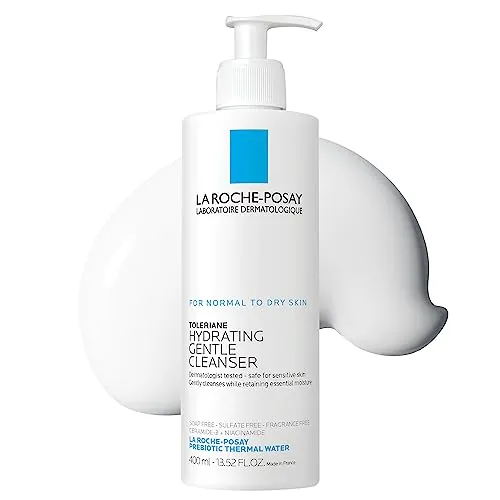
La Roche-Posay Toleriane Hydrating Gentle Face Cleanser
- Designed for normal to dry and sensitive skin.
Comparison
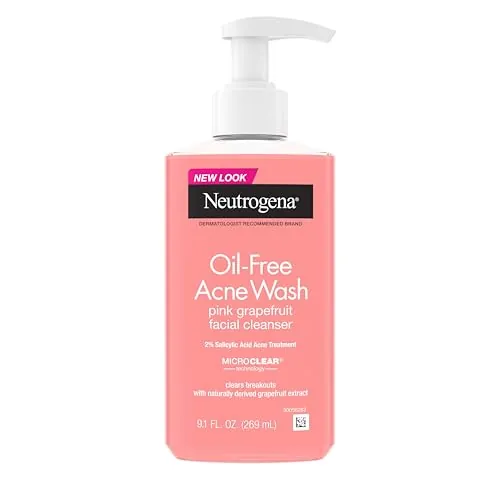
La Roche-Posay Toleriane Hydrating Gentle Face Cleanser and Neutrogena Oil-Free Acne Wash Pink Grapefruit are daily facial cleansers with different priorities. La Roche-Posay is the gentler, fragrance-free option for normal-to-dry sensitive skin, while Neutrogena is the lower-priced salicylic-acid cleanser aimed at oily and acne-prone skin. La Roche-Posay leads for skin compatibility and comfort; Neutrogena leads for value and oil-focused cleansing.
#1 Overall Winner
Contender
Choose La Roche-Posay if you want a fragrance-free, creamy daily cleanser that prioritizes comfort and is intended for normal-to-dry sensitive skin. Choose Neutrogena if you have oily or acne-prone skin and want a lower-cost salicylic-acid cleanser, provided your skin tolerates its fragranced, more clarifying approach.
Overall winner
Depends on your needs
| Feature | La Roche-Posay Toleriane Hydrating Gentle Face Cleanser | Neutrogena Oil-Free Acne Wash Pink Grapefruit Facial Cleanser | Winner |
|---|---|---|---|
| Overall score | 87 | 82 | La Roche-Posay Toleriane Hydrating Gentle Face Cleanser |
| Best skin fit | Normal to dry, sensitive skin | Oily, acne-prone skin | Depends |
| Effectiveness | 88 | 84 | La Roche-Posay Toleriane Hydrating Gentle Face Cleanser |
| Skin compatibility | 90 | 62 | La Roche-Posay Toleriane Hydrating Gentle Face Cleanser |
| Comfort | 90 | 64 | La Roche-Posay Toleriane Hydrating Gentle Face Cleanser |
| Key ingredients | Ceramide-3, niacinamide, glycerin, thermal water | Salicylic acid, grapefruit extract | Depends |
| Scent | Unscented | Grapefruit | La Roche-Posay Toleriane Hydrating Gentle Face Cleanser |
| Ease of use | 91 | 89 | La Roche-Posay Toleriane Hydrating Gentle Face Cleanser |
| Packaging quality | 80 | 84 | Neutrogena Oil-Free Acne Wash Pink Grapefruit Facial Cleanser |
| Customer satisfaction | 93 | 91 | La Roche-Posay Toleriane Hydrating Gentle Face Cleanser |
| Value | 84; $19.99 listed price | 88; $9.97 listed price | Neutrogena Oil-Free Acne Wash Pink Grapefruit Facial Cleanser |
| Heavy makeup removal | May need a first cleansing step | Not clearly established | Depends |
La Roche-Posay scores 88 for effectiveness, ahead of Neutrogena at 84. For its stated purpose, the La Roche-Posay cleanser appears especially effective at routine cleansing without leaving many users feeling dry; reviewers often mention a clean but comfortable finish. Neutrogena has solid reported effectiveness for its oily and acne-prone target audience, with customers frequently noting removal of excess oil and a refreshed feel. However, its results come with more mixed reports of over-drying and irritation. La Roche-Posay is the more consistent daily cleanser overall, while Neutrogena is the more targeted option for oil-focused routines.
For a comfortable, soft and balanced-looking post-cleanse result, La Roche-Posay has the edge. Its 84 beauty-result score and review feedback point to skin that feels clean without the tight, stripped sensation that can affect overall appearance. Neutrogena scores 80 and is more likely to appeal to users who prefer a noticeably fresh, oil-reduced finish. However, reports of roughness, dryness and redness mean its visible result may be less predictable for reactive or dry skin. The preferred finish depends on whether you prioritize comfort or a more clarifying cleanse.
La Roche-Posay’s beauty-result score of 84 reflects feedback centered on soft, hydrated-feeling skin after cleansing. Its creamy, non-foaming texture is less likely to deliver a dramatic squeaky-clean impression, but that is a benefit for users who dislike a tight finish. Neutrogena scores 80 and provides a fresher, more clarifying result for many oily-skin users. Still, the supplied reviews show that some users experience roughness, redness or a dry feel, which can reduce the appeal of the final skin appearance. La Roche-Posay is the safer choice for a comfortable finish.
Both products belong in a facial skincare routine, but their roles differ. La Roche-Posay is positioned as a daily cleanser that helps maintain skin comfort while removing dirt, makeup and impurities; its formula emphasizes ceramide-3, niacinamide, glycerin and thermal water. Neutrogena is an oil-free cleanser centered on salicylic acid for oily and acne-prone skin. Neither cleanser guarantees a particular result for every person, and the supplied feedback supports checking how your own skin responds, especially when dryness or sensitivity is a concern.
La Roche-Posay scores 84 for safety, ahead of Neutrogena at 65. Its fragrance-free, sensitive-skin positioning and higher compatibility score support its use as the more cautious option for routine facial cleansing. Still, no cleanser is universally reaction-free: supplied reviews include some reports of stinging and breakouts with La Roche-Posay. Neutrogena’s salicylic-acid and fragranced formula may be useful for its intended oily-skin audience, but reports of burning, dryness and redness warrant care. Avoid the eye area, rinse thoroughly, and stop use if a product feels persistently uncomfortable.
Comfort is one of the largest differences: La Roche-Posay scores 90, while Neutrogena scores 64. La Roche-Posay reviewers regularly mention a creamy texture, easy rinsing and skin that feels soft rather than tight. Neutrogena users often like its refreshing, clean sensation and grapefruit scent, but the feedback is split; some find it drying, rough or irritating. La Roche-Posay is the better pick for users who value a low-friction, moisture-conscious cleansing experience. Neutrogena suits those who prefer a more assertive fresh-clean feel and tolerate it well.
Both cleansers are simple rinse-off products and score very well for ease of use: 91 for La Roche-Posay and 89 for Neutrogena. La Roche-Posay’s pump bottle, spreadable cream texture and easy-rinse feedback make it particularly straightforward for daily use. Neutrogena is similarly convenient at the sink or in the shower, and reviewers note that a small amount can go a long way. The practical difference is minor; choose based more on skin fit and preferred cleansing feel than application complexity.
La Roche-Posay has a small application lead, scoring 88 against 85 for Neutrogena. Its cream formula is described by reviewers as smooth, lightweight and easy to spread, with one pump often sufficient. Neutrogena is also easy to massage onto wet skin and rinse off, following its listed directions. La Roche-Posay’s low-foam texture may feel unusual to users accustomed to lather, while Neutrogena’s more refreshing feel may be preferred by those who want a stronger sense of cleansing. Both are uncomplicated to apply.
La Roche-Posay has a clear skin-compatibility advantage, scoring 90 compared with Neutrogena’s 62. It is specifically listed for sensitive, normal-to-dry skin and is fragrance-free, while many reviewers describe it as non-stripping. That does not mean every user will tolerate it: the supplied data includes isolated reports of stinging and breakouts. Neutrogena is formulated for oily skin, but feedback includes dryness, tightness, burning and reactions, alongside positive reports from users who find it gentle enough. Those with easily reactive or dry skin should favor La Roche-Posay based on this data.
La Roche-Posay scores 82 for finish quality, compared with 78 for Neutrogena. Its intended finish is comfortable, soft and hydrated rather than squeaky-clean, and its cream texture supports that routine experience. Neutrogena offers a clean, fresh, oil-reduced feel that can be appealing for oily skin, but some users describe a tight or rough finish after rinsing. If a balanced, non-stripped after-feel is the goal, La Roche-Posay is stronger. If you prefer a more clarifying sensation and tolerate it well, Neutrogena may suit you.
Longevity is less central for rinse-off cleansers, but the supplied scores give La Roche-Posay a narrow lead at 72 versus 70 for Neutrogena. La Roche-Posay’s hydrated, comfortable after-feel may make it better suited to routines where post-wash tightness is a concern. Neutrogena’s refreshed and oil-cleansed feeling may appeal to oily skin, though the data does not establish how long either visible effect lasts. Both should be assessed as cleansing steps within a wider routine rather than as long-wear products.
La Roche-Posay is unscented and has a scent score of 96, making it the clearer option for people who prefer no added fragrance in a facial cleanser. Neutrogena has a grapefruit scent and scores 77. Many customers find it fresh and pleasant, but it is not the same fit for users who avoid fragranced products. Scent preference is personal, so this category depends on your routine preferences.
La Roche-Posay scores 82 for durability, compared with 72 for Neutrogena. For these rinse-off consumable cleansers, this score is most relevant to product stability and continued usability rather than hardware longevity. The provided La Roche-Posay feedback includes repeat purchases and positive comments on bottle size and dispensing. Neutrogena’s bottle is also considered convenient, but the supplied data provides less support for a durability advantage. Neither product has reported device-like components or attachments that would require a build-quality assessment.
La Roche-Posay scores 73 for personalization, ahead of Neutrogena at 60. Its stated fit for normal-to-dry and sensitive skin, plus its fragrance-free formula, gives it a clearer profile for users seeking a gentle routine cleanser. Neutrogena has a narrower but distinct focus on oily and acne-prone skin, with salicylic acid and grapefruit scent. Neither product offers shades, adjustable settings or multiple finishes in the supplied data. The better match depends principally on skin type, fragrance preference and tolerance for a more clarifying cleanser.
La Roche-Posay leads on ingredient quality, scoring 86 versus 74 for Neutrogena. The supplied La Roche-Posay data identifies ceramide-3, niacinamide, glycerin and prebiotic thermal spring water, and the formula is listed as fragrance-free, soap-free and oil-free. Neutrogena’s key listed active is salicylic acid, supported by grapefruit extract and an oil-free format; this is more aligned with an oil-focused cleanser. Neither score independently proves that a formula will suit every person. Notably, Neutrogena is scented, while the supplied feedback identifies fragrance and dryness as possible concerns for some users.
Neutrogena leads packaging quality with a score of 84 versus 80 for La Roche-Posay. Both are supplied in bottle formats, and reviewer feedback for each mentions convenient pumping or dispensing. Neutrogena reviewers specifically note convenience at the sink and in the shower. La Roche-Posay’s bottle is also described as a good size, and users report that one pump can be enough. The score difference is modest, so both appear practical for routine use; Neutrogena has the narrow advantage.
Neutrogena wins on value with an 88 score versus 84 for La Roche-Posay. Its listed price is $9.97, substantially below La Roche-Posay’s $19.99, and reviewers frequently call it affordable or good value. Its salicylic-acid, oil-focused positioning can make it a practical budget option for users who tolerate it. La Roche-Posay costs more, but its higher scores for comfort, skin compatibility, ingredient quality and satisfaction may provide better value for people who need a fragrance-free cleanser intended for dry or sensitive skin. Price alone should not decide the comparison.
La Roche-Posay scores 88 for brand trust, compared with 80 for Neutrogena. The supplied La Roche-Posay listing includes dermatologist-tested and clinically proven language, while the product also has strong review volume and repeat-purchase feedback. Neutrogena has a solid 4.6/5 rating and a large review count, supporting substantial buyer familiarity. However, brand trust should not be confused with a guarantee of individual compatibility. Based on the supplied scores and customer feedback, La Roche-Posay has the stronger trust profile in this comparison.
Customer satisfaction is high for both cleansers: La Roche-Posay scores 93 and Neutrogena scores 91, and both have a supplied 4.6/5 rating. La Roche-Posay has 38,430 reviews, with recurring praise for gentleness, hydration, lack of strong scent and daily usability. Its recurring concerns are that it may not feel deep-cleaning enough and may be insufficient alone for heavy makeup. Neutrogena has 26,808 reviews and is frequently praised for freshness, oil cleansing and price, but complaints about dryness, tightness, redness and burning occur more often in the supplied overview.
La Roche-Posay has a claim-support score of 86, slightly ahead of Neutrogena at 82. Its positioning as a gentle, non-stripping cleanser is consistent with its listed fragrance-free cream formula and much of the supplied review feedback. Neutrogena’s oil-focused cleansing claims are supported by its salicylic-acid listing and positive reports from oily or acne-prone users. However, individual customer experiences with dryness and irritation are mixed. Listing claims and customer feedback are useful context, but they do not establish that either cleanser will deliver the same result for every user.
Both products receive an ethical-transparency score of 52. The supplied data does not provide specific information about cruelty-free status, vegan status, sustainability practices, recyclability or broader ingredient-disclosure policies. As a result, there is no evidence-based winner in this area. Shoppers for whom these factors are important should check the current manufacturer information and the packaging available in their region before purchasing.
La Roche-Posay Toleriane Hydrating Gentle Face Cleanser wins overall because it combines higher effectiveness, skin compatibility, comfort, ingredient-quality and customer-satisfaction scores. Its main strength is a fragrance-free, cream-based cleansing experience designed for normal-to-dry sensitive skin; its main limitation is that it may feel too mild for users wanting a strong deep-clean sensation or one-step heavy-makeup removal.
Neutrogena Oil-Free Acne Wash Pink Grapefruit is the better budget-focused alternative for oily or acne-prone skin that wants salicylic acid and a fresh finish. Its major limitation is variable comfort, with reports of dryness, tightness and irritation. Select La Roche-Posay for gentleness; select Neutrogena for oil-focused cleansing if your skin tolerates it.

Overall winner
Depends on your needs
La Roche-Posay is the stronger overall choice in the supplied scoring, particularly for skin compatibility, comfort and gentle daily cleansing. Neutrogena is the better fit when oily or acne-prone skin, salicylic acid and lower upfront cost are the priorities. The right choice depends mainly on how dry, reactive or oily your skin tends to feel.
La Roche-Posay appears better suited to sensitive skin based on its 90 skin-compatibility score, fragrance-free formula and positioning for normal-to-dry sensitive skin. Neutrogena’s score is 62 in this area, and supplied reviews include reports of burning, redness, tightness and dryness. Individual reactions still vary, so introduce any new cleanser carefully.
Neutrogena is more directly targeted to oily and acne-prone skin. Its oil-free formula contains salicylic acid and is described as removing oil and impurities. However, the supplied reviews are mixed on comfort and dryness. La Roche-Posay may be preferable if an oily complexion also feels easily irritated or dehydrated, but it is not presented as an oil-control cleanser.
La Roche-Posay is listed as cleansing dirt, makeup and impurities, and some reviewers say it works after light makeup or sunscreen. Other feedback notes that heavy makeup may need a remover or cleansing balm first. The supplied Neutrogena data emphasizes oil and impurity removal rather than makeup-removal performance, so neither should be assumed to replace a dedicated heavy-makeup remover.
Both products score highly for ease of use: 91 for La Roche-Posay and 89 for Neutrogena. La Roche-Posay reviewers frequently mention easy rinsing and a pump that dispenses enough product for a wash. Neutrogena is also a straightforward rinse-off cleanser, with reviewers finding its bottle convenient for sink or shower use.
Neutrogena has the higher value score, 88 versus 84, and its listed price is lower at $9.97 compared with $19.99 for La Roche-Posay. That does not automatically make it the better purchase for every routine. La Roche-Posay may justify its price for buyers prioritizing fragrance-free cleansing, comfort and stronger skin-compatibility results.
The supplied feedback often describes Neutrogena’s grapefruit scent as fresh, light or pleasant, but scent preference is personal. Its scent score of 77 is notably lower than the 96 scent score for the unscented La Roche-Posay cleanser. People who avoid fragranced skincare or have previously found fragrance uncomfortable may prefer the fragrance-free option.
Both products have relatively strong claim-support scores, with 86 for La Roche-Posay and 82 for Neutrogena. La Roche-Posay’s gentle, non-drying positioning aligns with much of its review feedback and listed formula attributes. Neutrogena has positive cleansing feedback, but reports of dryness and irritation make its comfort-related claims less consistent across users.
Check our rankings and expert guides to find the best beauty products for your goals.