#1 Overall Winner
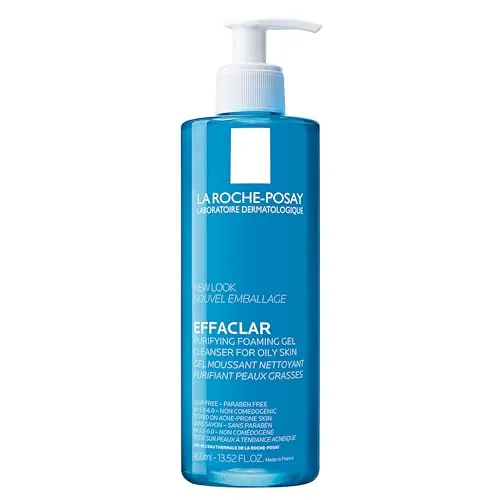
La Roche-Posay Effaclar Purifying Foaming Gel Cleanser
- Strong oil-removing and cleansing performance for oily skin.
Comparison
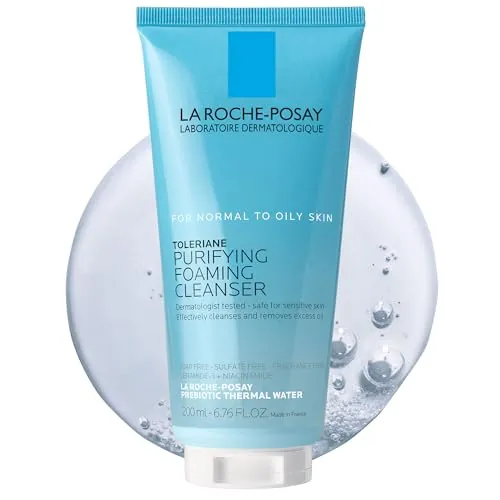
La Roche-Posay Effaclar Purifying Foaming Gel Cleanser and Toleriane Purifying Foaming Facial Cleanser are daily foaming face washes designed to remove oil and impurities without an overly stripped finish. Effaclar is more explicitly oil-focused with zinc pidolate, while Toleriane has a fragrance-free formula featuring ceramide-3 and niacinamide. Toleriane leads in the supplied overall, sensitive-skin, value and satisfaction scores, but Effaclar remains a strong option for oily-skin routines.
#1 Overall Winner
Contender
Choose Toleriane for a fragrance-free foaming cleanser with stronger sensitive-skin, comfort and value scores. Choose Effaclar if you prefer a cleanser specifically positioned around oily skin and zinc pidolate. Both cleanse effectively, but Toleriane is the more rounded option in the provided data.
Overall winner
Depends on your needs
| Feature | La Roche-Posay Effaclar Purifying Foaming Gel Cleanser | La Roche-Posay Toleriane Purifying Foaming Facial Cleanser | Winner |
|---|---|---|---|
| Overall score | 86 |
90 |
La Roche-Posay Toleriane Purifying Foaming Facial Cleanser |
| Listed price | $24.99 |
$16.99 |
La Roche-Posay Toleriane Purifying Foaming Facial Cleanser |
| Effectiveness | 90 |
92 |
La Roche-Posay Toleriane Purifying Foaming Facial Cleanser |
| Skin compatibility | 88 |
94 |
La Roche-Posay Toleriane Purifying Foaming Facial Cleanser |
| Key listed ingredients | Zinc pidolate, thermal spring water |
Ceramide-3, niacinamide, glycerin, thermal water |
Depends |
| Scent positioning | Unscented specification; mixed feedback |
Fragrance-free specification |
La Roche-Posay Toleriane Purifying Foaming Facial Cleanser |
| Comfort | 86 |
89 |
La Roche-Posay Toleriane Purifying Foaming Facial Cleanser |
| Ease of use | 90 |
91 |
La Roche-Posay Toleriane Purifying Foaming Facial Cleanser |
| Packaging quality | 84 |
82 |
La Roche-Posay Effaclar Purifying Foaming Gel Cleanser |
| Value | 68 |
91 |
La Roche-Posay Toleriane Purifying Foaming Facial Cleanser |
| Customer satisfaction | 94 |
97 |
La Roche-Posay Toleriane Purifying Foaming Facial Cleanser |
| Best routine fit | Oil-focused cleansing |
Fragrance-free, barrier-conscious cleansing |
Depends |
Toleriane leads effectiveness by a small margin, with a score of 92 versus 90 for Effaclar. Both products have extensive positive feedback for removing oil, dirt and daily buildup while maintaining a comfortable post-wash feel. Effaclar’s zinc pidolate and oily-skin positioning make its purpose especially clear for shine and excess oil. Toleriane is also rated highly for cleansing makeup and impurities, with its listing additionally focusing on maintaining the skin’s protective barrier. Reviews for both suggest heavy makeup may still benefit from a separate first cleanse.
Both cleansers are designed to leave skin looking and feeling cleaner, less oily and free of everyday buildup rather than to deliver a dramatic cosmetic finish. Effaclar’s feedback leans toward a fresh, shine-reduced result, which suits oily-skin routines. Toleriane has the higher beauty-result score and is more consistently associated with soft, smooth and balanced-looking skin. Neither is a leave-on product, so visible results should be judged mainly by post-cleanse cleanliness and comfort.
Toleriane scores 88 for beauty results compared with 84 for Effaclar. Its customer feedback more consistently describes skin as soft, smooth and balanced after rinsing. Effaclar’s result is more specifically a fresh, thoroughly cleansed, less-greasy look, supported by many oily-skin reviews. Neither cleanser offers shade, coverage or a lasting makeup-like finish; the relevant outcome is how clean, comfortable and non-shiny skin appears immediately after cleansing.
Effaclar and Toleriane are both practical first steps in a skincare routine, particularly when excess oil and daily impurities are concerns. Effaclar is the more targeted choice for oily skin because its listing centres on zinc pidolate and oil removal. Toleriane is better aligned with routines that prioritise fragrance-free cleansing and barrier-supporting ingredients. In either case, follow with suitable moisturiser and introduce new products carefully if your skin is reactive.
Toleriane has the higher safety score, 92 compared with 87 for Effaclar. Both are listed as allergy tested, dermatologist tested, non-comedogenic, oil-free and soap-free, and both are marketed for sensitive skin. Toleriane’s fragrance-free specification is a notable practical distinction for people avoiding added fragrance. Effaclar is specified as unscented, but review feedback about scent is inconsistent and some users report irritation. Avoid direct eye contact, rinse thoroughly, and stop use if a product causes discomfort. Patch testing can be useful for sensitive skin.
Toleriane scores 89 for comfort, ahead of Effaclar at 86. Users often describe Toleriane as lightweight, gently foaming and clean without residue or tightness. Effaclar likewise receives many positive reports for a soft foam and non-stripping feel, particularly from oily-skin users. The difference is consistency: some reviews for both mention dryness, but this concern appears more mixed around Effaclar’s oil-purifying profile.
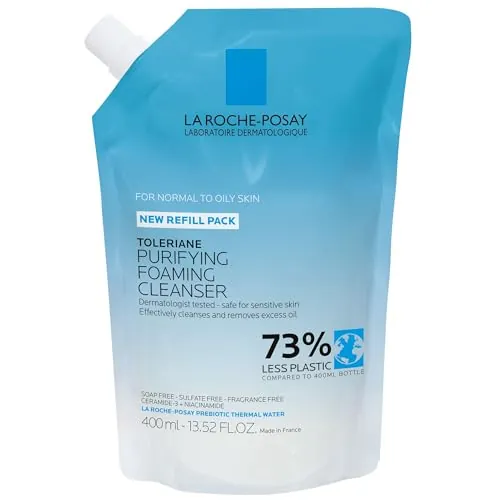
Both are very easy daily cleansers, with scores of 91 for Toleriane and 90 for Effaclar. Each is a bottle-based foaming formula that needs only a small amount, lathers readily and rinses away. Toleriane’s pump and refill format add convenience for some buyers, although one reviewer found the refill pouch difficult to pour. Effaclar’s pump is also praised for controlled dispensing. There is no major usability divide between the standard bottles.
Toleriane leads application quality at 88 versus 85 for Effaclar. Reviewers describe Toleriane as a thin gel that foams easily, spreads without heaviness and rinses without a film. Effaclar’s clear gel similarly produces a light, silky foam and is widely described as easy to massage and rinse. Toleriane’s slight lead reflects more consistent feedback around a gentle, comfortable application, while Effaclar is more focused on a purifying cleanse.
Toleriane has the clearer advantage for skin compatibility, scoring 94 against Effaclar’s 88. It is listed as fragrance-free and contains ceramide-3, niacinamide and glycerin, while reviews often describe it as gentle for sensitive skin. Effaclar is also sensitive-skin, allergy and dermatologist tested, and many users report a non-stripping result. However, Effaclar’s scent and irritation feedback are more mixed. Neither score guarantees compatibility, so patch testing is sensible for reactive skin.
Toleriane scores 85 for finish quality, slightly above Effaclar at 83. Both are foaming rinse-off cleansers, so finish here means the immediate skin feel rather than a cosmetic finish. Toleriane is more often described as clean, soft and free of residue. Effaclar is praised for a refreshed, oil-reduced finish and soft foam, though some users find it drying. Preferences depend on whether a more purifying or more comfort-oriented post-cleanse feel is desired.
Toleriane leads longevity and product-use durability at 88 versus 78. Reviewers for both say a small amount can go a long way, and both are sold in bottle formats suited to daily use. Toleriane receives especially positive feedback on how long the larger bottle lasts. Effaclar also has reports of lasting several months, but the available score data gives Toleriane the stronger edge for sustained use.
Toleriane is the clearer choice for scent-sensitive users, scoring 93 versus 62 for Effaclar. It is specified as fragrance-free and reviewers commonly report no noticeable scent. Effaclar is specified as unscented, yet aggregated feedback is mixed: some buyers find the scent pleasant while others consider it stronger than expected. Individual scent perception varies, but the data favours Toleriane.
Toleriane scores 86 for durability compared with 79 for Effaclar. For these consumable cleansers, this primarily reflects how long the product remains practical to use rather than hardware durability. Toleriane receives frequent comments that a little lasts a long time, and the refill option can extend use of the main bottle. Effaclar is also reported to last months for some users, but its supplied durability score is lower.
Toleriane leads personalization, 78 to 72, largely because its formula profile addresses users seeking a fragrance-free cleanser with ceramide-3, niacinamide and glycerin, plus a listed refill choice. Effaclar offers a more focused match for oily skin and users interested in zinc pidolate. Neither product provides shades, finishes or device settings, so personalisation is chiefly about skin needs, formula preferences and desired cleansing feel rather than custom options.
Toleriane leads ingredient quality, scoring 90 compared with 80 for Effaclar. Its supplied details identify ceramide-3, niacinamide, glycerin and prebiotic thermal water, alongside fragrance-free and sulfate-free positioning. Effaclar lists zinc pidolate and thermal spring water, plus alcohol-free, paraben-free, oil-free and soap-free specifications. These are different formula approaches rather than proof that one will suit every person. Toleriane has more supplied information tied to a barrier-supportive routine, while Effaclar is more directly focused on purifying excess oil.
Effaclar has a small packaging-quality lead, 84 to 82. Its bottle and pump receive positive feedback for smooth dispensing, and the clear blue bottle is said to make remaining product easier to see. Toleriane’s pump bottle is also considered convenient, and its refill option may reduce the need to replace the main bottle. The downside is isolated feedback that the refill pouch can be floppy to pour and that a cap broke.
Toleriane is the decisive value winner, with a score of 91 compared with Effaclar’s 68 and a lower listed price of $16.99 versus $24.99. Reviews repeatedly describe Toleriane’s larger bottle and small required amount as good value. Effaclar may still work out reasonably for users who like its foaming gel and use it sparingly, and some buyers say it lasts for months. However, its feedback includes concerns that it is overpriced, so its stronger oily-skin focus does not fully offset the value gap.
Toleriane leads brand trust, 88 to 82, though both products come from the same manufacturer and share dermatologist-tested positioning. The difference reflects the supplied product-level assessment rather than a difference in parent brand. Toleriane’s fragrance-free formula details, consumer-study statement and strong satisfaction feedback support customer confidence. Effaclar also has extensive positive reviews and clear oily-skin positioning, but mixed scent, price and sensitivity feedback slightly reduce its comparative standing.
Customer satisfaction is excellent for both products: each has a 4.7/5 star rating from more than 48,000 reviews, while Toleriane’s satisfaction score is 97 versus 94 for Effaclar. Toleriane buyers repeatedly praise gentle cleansing, fragrance-free use, soft skin and value. Effaclar buyers frequently praise oil removal, foam and a fresh, balanced feel. The main recurring reservations are mild dryness or tightness for some Toleriane users, and mixed scent, irritation and price feedback for Effaclar users.
Toleriane has a slightly higher claim-support score, 91 versus 88. Its listing provides specific formula details and cites a four-week consumer study reporting perceived cleansing results; this is consumer-study information, not independent clinical proof. Effaclar’s oil-removal, non-comedogenic and non-stripping positioning is supported by its supplied specifications and many customer reports. Reviews can describe personal experience but cannot establish that a cleanser will produce the same result for everyone. Both products have relatively well-defined, modest cleansing claims.
La Roche-Posay Toleriane Purifying Foaming Facial Cleanser wins this comparison overall. It combines a higher overall score with better performance for sensitive-skin compatibility, ingredient quality, safety, comfort, value and customer satisfaction. Its main limitation is that a minority of users still notice mild dryness or tightness, and it may be too gentle as a one-step heavy-makeup remover.
Effaclar Purifying Foaming Gel Cleanser remains a very good alternative, especially for users who want a clearly oily-skin-oriented cleanser with zinc pidolate and a fresh foaming finish. Its main drawbacks are weaker value and more mixed scent and irritation feedback. Both are capable daily cleansers; formula preference should make the final decision.

Overall winner
Depends on your needs
Toleriane is the stronger overall choice in the supplied score data, leading on effectiveness, skin compatibility, value, ingredient quality and customer satisfaction. Effaclar remains a compelling option for users who specifically want a zinc pidolate cleanser with a more direct oily-skin focus. The best fit depends on whether oil control or fragrance-free barrier-oriented formulation is the priority.
Toleriane has the higher skin-compatibility score and is listed as fragrance-free, with ceramide-3, niacinamide and glycerin. These details make it the more data-supported option for sensitive-skin routines. However, individual reactions differ, and some reviewers still noted post-wash dryness. Effaclar is also sensitive-skin tested, but its scent feedback and compatibility feedback are more mixed.
Effaclar is explicitly positioned as a cleanser for oily skin and contains zinc pidolate to help remove excess oil. Its reviews repeatedly praise a clean, less-oily feel. Toleriane is also designed to remove excess oil and performed slightly better on effectiveness overall. Choose Effaclar for its oil-focused positioning; choose Toleriane if oil control and a fragrance-free formula are equally important.
Toleriane is the clearer value pick in the supplied data. Its listed price is lower, its value score is much higher, and reviewers commonly describe the bottle as long-lasting. Effaclar also receives reports that a little product goes a long way, but its value feedback is mixed and some buyers consider it expensive. Bottle size and retailer pricing should still be checked before purchase.
Both products are straightforward foaming cleansers that score highly for ease of use. Toleriane has a narrow score lead and is praised for its lightweight gel, easy-rinsing foam and convenient pump. Effaclar is also praised for a light foam and a smooth pump dispenser. The only practical concern noted for Toleriane is that its refill pouch may be awkward to pour.
Both listings and reviews indicate they can remove makeup alongside oil and daily impurities. However, reviews for each product suggest that heavy makeup may need a separate first cleanse, such as a makeup remover or micellar product, before washing. Neither product should be assumed to replace a dedicated remover for every makeup routine.
Both products have strong claim-support scores, supported by their stated product specifications and extensive customer feedback about cleansing, foaming and comfort. Toleriane also provides results from a four-week consumer study in its listing. These are useful signals, but consumer feedback and listing claims are not the same as independent clinical proof, and individual results can vary.
Toleriane is the slightly better beginner choice because it combines a high ease-of-use score with fragrance-free positioning, a lower listed price and strong feedback for gentle daily use. Effaclar is also simple to use and well suited to oil-focused routines. Beginners with easily unsettled skin may prefer to introduce either cleanser gradually and follow with moisturiser if needed.
Check our rankings and expert guides to find the best beauty products for your goals.