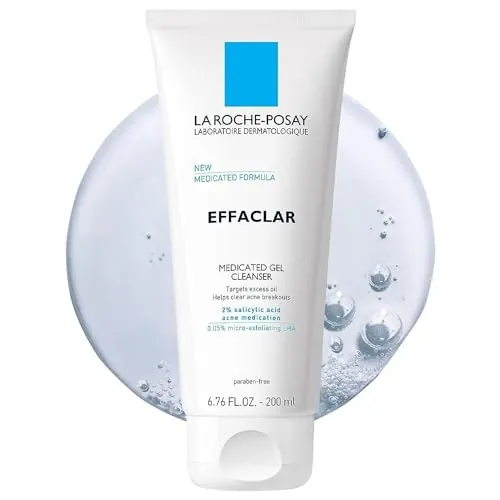
#1 Overall Winner
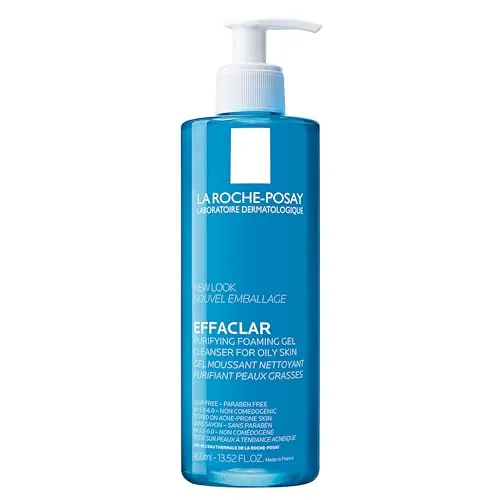
La Roche-Posay Effaclar Purifying Foaming Gel Cleanser
- Strong cleansing and oil-control focus for oily skin.
Comparison
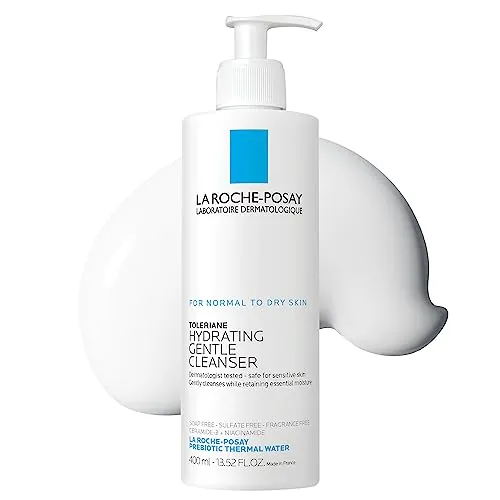
La Roche-Posay Effaclar Purifying Foaming Gel Cleanser and Toleriane Hydrating Gentle Face Cleanser are daily facial washes designed for different skin needs. Effaclar is the more oil-focused foaming gel, while Toleriane is the more hydration-focused cream cleanser for normal-to-dry skin. Toleriane earns the slightly higher overall score and better value rating, but Effaclar leads for cleansing effectiveness and has slightly stronger buyer satisfaction.
#1 Overall Winner
Contender
Choose Effaclar if excess oil, a foaming gel texture, and a more clarifying cleanse are your priorities. Choose Toleriane if your skin is normal-to-dry, you prefer fragrance-free skincare, or you want the more comfortable and better-value daily cleanser. Sensitive users should consider their own past reactions and introduce either product cautiously.
Overall winner
Depends on your needs
| Feature | La Roche-Posay Effaclar Purifying Foaming Gel Cleanser | La Roche-Posay Toleriane Hydrating Gentle Face Cleanser | Winner |
|---|---|---|---|
| Overall score | 86/100 |
87/100 |
La Roche-Posay Toleriane Hydrating Gentle Face Cleanser |
| Main skin focus | Oily, normal, sensitive skin |
Normal-to-dry, sensitive skin |
Depends |
| Texture | Clear foaming gel |
Non-foaming cream cleanser |
Depends |
| Effectiveness | 90/100 |
88/100 |
La Roche-Posay Effaclar Purifying Foaming Gel Cleanser |
| Skin compatibility | 88/100 |
90/100 |
La Roche-Posay Toleriane Hydrating Gentle Face Cleanser |
| Key ingredients | Zinc pidolate and thermal spring water |
Ceramide-3, niacinamide, glycerin, and thermal water |
Depends |
| Fragrance approach | Unscented specification; mixed scent feedback |
Fragrance-free |
La Roche-Posay Toleriane Hydrating Gentle Face Cleanser |
| Comfort | 86/100 |
90/100 |
La Roche-Posay Toleriane Hydrating Gentle Face Cleanser |
| Ease of use | 90/100 |
91/100 |
La Roche-Posay Toleriane Hydrating Gentle Face Cleanser |
| Packaging quality | 84/100 |
80/100 |
La Roche-Posay Effaclar Purifying Foaming Gel Cleanser |
| Value | 68/100; $24.99 |
84/100; $19.99 |
La Roche-Posay Toleriane Hydrating Gentle Face Cleanser |
| Customer satisfaction | 94/100; 4.7/5 from 53,732 reviews |
93/100; 4.6/5 from 38,430 reviews |
La Roche-Posay Effaclar Purifying Foaming Gel Cleanser |
Effaclar leads effectiveness, scoring 90 compared with Toleriane's 88. Its foaming gel and zinc pidolate are specifically positioned around removing excess oil, and buyers frequently describe a clean, balanced result without a stripped sensation. Toleriane also has strong support as a gentle daily cleanser: reviewers often report that it removes everyday impurities while leaving skin soft and comfortable. The distinction is not that one cleanses and the other does not; it is the type of cleanse. Effaclar is more suited to an oil-control priority, whereas Toleriane prioritises a low-tightness, hydration-conscious wash.
Both cleansers are intended to leave skin looking clean and refreshed rather than deliver a makeup-style finish. Their beauty-result scores are tied at 84, but the visible after-feel differs. Effaclar is more likely to suit users who want skin to look less shiny immediately after cleansing, based on its oil-focused gel format and review feedback. Toleriane is better suited to users who value skin that looks soft and comfortable rather than deeply clarified. Neither product should be expected to create a lasting cosmetic finish on its own.
The products tie at 84 for beauty results, reflecting two different desirable outcomes. Effaclar's reviews emphasise reduced surface oil and a fresh, shine-free look after washing. Toleriane's reviews more often mention soft, smooth, hydrated-looking skin without a squeaky-clean feeling. Neither score establishes a clear universal winner because the preferred result depends on whether skin tends to look oily or feel dry after cleansing. For a less greasy immediate appearance, Effaclar has the clearer fit; for a more cushioned-looking after-feel, Toleriane is the better match.
Both products fit a simple daily skincare routine and are intended for facial cleansing before leave-on products. Effaclar is the more relevant option when excess oil is the central concern, while Toleriane is designed around maintaining moisture and comfort during cleansing. Both are soap-free, oil-free, paraben-free, allergy tested, dermatologist tested, and non-comedogenic. The product data also shows that individual reactions vary, so sensitive users should not assume either formula will suit every skin condition or routine.
Effaclar has a modest safety-score lead at 87 versus 84 for Toleriane. Both are facial cleansers with sensitive-skin testing and several shared formulation attributes, including soap-free and non-comedogenic positioning. Effaclar is also listed as alcohol-free, while Toleriane is explicitly fragrance-free. The review data shows that irritation is possible with either product: some Effaclar users describe dryness, and some Toleriane users report stinging or breakouts. Avoiding eye contact, rinsing thoroughly, and stopping use if discomfort develops are sensible general precautions for facial cleansers.
Toleriane wins comfort, scoring 90 against Effaclar's 86. Its cream texture is frequently described as smooth, soft, and non-tight, making it more appealing for users who dislike a squeaky-clean finish. Effaclar is also well regarded for comfort, especially among oily-skin users who say it cleans without stripping. Still, some reviewers find it somewhat drying. The better choice is therefore linked to your preferred after-feel: cushioned and hydrated with Toleriane, or fresh and clarified with Effaclar.
Both products are easy daily cleansers in pump bottles, with excellent scores of 90 for Effaclar and 91 for Toleriane. Effaclar's gel foams readily, while Toleriane spreads as a non-foaming cream and is reported to rinse easily. Neither requires complex preparation, special tools, or a lengthy routine. Toleriane takes a very narrow lead, but texture preference may matter more than the score: foam can feel more intuitive to some users, while others prefer the lower-friction feel of a creamy wash.
Toleriane has the higher application score at 88, compared with 85 for Effaclar. Reviewers describe Toleriane as smooth, lightweight, and easy to spread, often with one pump being sufficient. Effaclar's clear gel creates a light foam that users find easy to massage and rinse. The more suitable application experience depends on preference rather than difficulty. Choose Effaclar if you enjoy lather; choose Toleriane if you prefer a creamy cleanser that does not foam.
Toleriane has a small skin-compatibility advantage at 90 versus 88. Its fragrance-free cream formula and ingredients such as ceramide-3, niacinamide, and glycerin align with its normal-to-dry, sensitive-skin positioning. Effaclar is also tested for sensitive skin and is alcohol-free, soap-free, and non-comedogenic, but its oil-removing focus may feel drying for some users with dry patches. Reviews for both products include mixed individual reactions, including reports of irritation or stinging. Patch testing and adjusting cleansing frequency can be sensible when skin is reactive.
Effaclar scores 83 for finish quality, narrowly ahead of Toleriane at 82. The difference reflects texture and after-feel rather than colour or coverage. Effaclar's light foam is commonly associated with a clean, refreshed, less oily finish. Toleriane's non-foaming cream format is repeatedly described as soft and non-stripping, though users wanting a more pronounced deep-clean sensation may find it too mild. The preferred finish depends on whether you want a clarified feel or a more moisturised, comfortable feel after rinsing.
Longevity is more relevant here to the sustained routine experience than to a leave-on effect. Effaclar scores 78, compared with 72 for Toleriane. Effaclar review feedback suggests a little product can go a long way, with one user reporting a bottle lasting several months. Toleriane also receives positive feedback for one-pump use and bottle size, but the provided data gives it a lower score. Actual duration will depend on bottle size, pump amount, and whether the cleanser is used once or twice daily.
Toleriane is the clear scent winner at 96, compared with Effaclar's 62. It is explicitly listed as fragrance-free and reviews generally describe it as nearly scentless. Effaclar's specification says unscented, but the review overview and individual reviews contain mixed impressions, ranging from light and fresh to more noticeable or unpleasant. Users who actively avoid fragrance or scent in skincare have the clearer option in Toleriane.
Toleriane scores 82 for durability, ahead of Effaclar at 79. As rinse-off consumable cleansers, this category is most relevant to bottle usability and how long the product remains practical in a routine rather than long-term hardware reliability. Buyers report that both products can last well when used in small pump amounts. Effaclar also has positive pump feedback, while Toleriane receives positive comments about bottle size. The score gap is modest, so usage frequency will likely matter more than product durability.
Personalization scores are close: 72 for Effaclar and 73 for Toleriane. Neither product offers shades, finish variants, or device settings, so personal fit mainly comes from skin type and texture preference. Effaclar offers broader listed skin types, including normal, oily, and sensitive, and is best aligned with oil-focused routines. Toleriane is more narrowly positioned for sensitive, normal-to-dry skin and fragrance-avoiding users. Neither cleanser guarantees compatibility, so personal history with foaming formulas, fragrance, dryness, and makeup-removal needs should guide the choice.
Toleriane leads ingredient quality at 86, compared with 80 for Effaclar. Its provided formula highlights ceramide-3, niacinamide, glycerin, and thermal water, which supports its hydration-focused cleanser positioning. Effaclar highlights zinc pidolate and thermal spring water, matching its excess-oil cleansing focus. Both are listed as soap-free, oil-free, paraben-free, allergy tested, dermatologist tested, and non-comedogenic. The higher Toleriane score should not be read as proof that every ingredient will suit every person; it reflects the available ingredient information and its fit with the product's stated gentle-cleansing role.
Effaclar leads packaging quality at 84 versus 80 for Toleriane. Both use bottle packaging, and users mention convenient pump dispensing for each. Effaclar reviewers specifically note that its clear blue bottle helps indicate when the product is running low, alongside positive feedback on the nozzle. Toleriane's packaging is still practical and receives positive comments about bottle size, but its lower score means it has less of an advantage in the available data.
Toleriane is the stronger value choice, scoring 84 versus 68 for Effaclar and carrying a lower listed price of $19.99 compared with $24.99. Its reviews often describe the bottle as good value, and a single pump is commonly reported as enough for a wash. Effaclar also receives comments that a little goes a long way, but its review overview includes more complaints that it is overpriced. This does not mean Toleriane is automatically the better purchase for everyone: users who need a more oil-focused foaming cleanser may still find Effaclar worth the extra cost.
Toleriane has a brand-trust score of 88, compared with 82 for Effaclar. Both products come from the same manufacturer, are dermatologist tested, and have substantial review histories, so this comparison does not show a major brand-level divide. The numerical difference is better understood as confidence in each product's fit and consistency within the available data. Toleriane's fragrance-free, sensitive-skin-oriented positioning may give some buyers added confidence, while Effaclar remains strongly supported among users seeking an oily-skin cleanser.
Both cleansers have very strong customer satisfaction scores: 94 for Effaclar and 93 for Toleriane. Effaclar holds a 4.7/5 rating from 53,732 reviews, while Toleriane holds 4.6/5 from 38,430 reviews. Repeated Effaclar praise centres on oil removal, foam, and a clean but comfortable finish; common concerns involve price, scent, and occasional irritation. Toleriane buyers often praise gentle daily use, a hydrated feel, and lack of fragrance. Its recurring limitations are that it can feel too mild for heavy makeup and may sting or cause breakouts for some individuals.
Effaclar has a claim-support score of 88, slightly ahead of Toleriane at 86. Its stated excess-oil cleansing role is broadly consistent with its zinc pidolate formula, foaming format, and recurring buyer feedback about a less oily after-feel. Toleriane's claims around gentle cleansing and comfort are supported by its listed cream formula, ceramide-3, niacinamide, glycerin, fragrance-free status, and many non-tightness reviews. Both listings use terms such as dermatologist tested, and Toleriane is described as clinically proven, but the provided information does not include study details. Review experiences are useful context, not clinical proof.
Toleriane Hydrating Gentle Face Cleanser narrowly wins overall because it combines strong skin compatibility, comfort, ingredient quality, fragrance-free positioning, and value at a lower listed price. Its main limitation is that its mild, non-foaming cream texture may not feel sufficiently clarifying for oily skin or complete heavy-makeup removal.
Effaclar Purifying Foaming Gel Cleanser remains the better targeted choice for oily skin, with higher effectiveness, a fresh foaming texture, and strong buyer satisfaction. Its main drawbacks are its lower value score and mixed reports about scent, dryness, and irritation. Choose based on your skin's cleansing needs: Effaclar for oil control, Toleriane for a more comfortable hydration-focused daily wash.

Overall winner
Depends on your needs
Neither is universally better because they target different cleansing preferences. Effaclar is the stronger choice for a foaming, oil-focused wash, while Toleriane is better aligned with normal-to-dry skin and a comfortable, hydrating cream cleanse. Toleriane has the slightly higher overall score, but Effaclar leads on effectiveness.
Effaclar is the more targeted option for oily skin. Its gel formula and zinc pidolate are presented for removing excess oil, and its effectiveness score is higher. Toleriane can still cleanse gently, but reviews note that oily skin types may prefer a more clarifying formula.
Toleriane Hydrating Gentle Face Cleanser is the more suitable starting point for normal-to-dry skin. It uses a cream format with ceramide-3, niacinamide, glycerin, and thermal water, and it scores higher for skin compatibility and comfort. Individual responses vary, and a small number of reviewers still reported stinging.
Both products are labelled as tested for sensitive skin and have strong skin-compatibility scores. Toleriane has the higher score and is fragrance-free, which may suit users avoiding fragrance. However, reviews for both cleansers include isolated irritation concerns, so individual tolerance remains important.
Both are straightforward pump-bottle cleansers, but Toleriane has a marginally higher ease-of-use score. Its creamy formula is often described as spreading and rinsing easily. Effaclar also performs well, with reviewers appreciating its light foam and controlled pump dispensing.
Both have some review support for removing light makeup and daily impurities. Results are less consistent for heavier makeup: reviewers of each product note that a dedicated makeup remover or a first cleanse may be useful before the facial cleanser. Neither listing promises complete heavy-makeup removal.
Toleriane has the stronger value score and the lower listed price of $19.99 versus $24.99 for Effaclar. Reviews also mention the bottle size positively. Effaclar users note that a little may go a long way, but its higher price generated more mixed value feedback.
Both products have relatively strong claim-support scores, supported mainly by their stated formulas, product specifications, and substantial buyer feedback. The available information supports their cleansing and non-stripping positioning more clearly than broader skin-result claims. Customer experiences should not be treated as clinical evidence.
Check our rankings and expert guides to find the best beauty products for your goals.