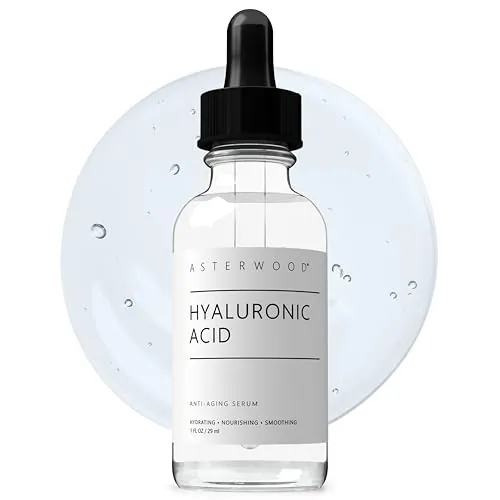
#1 Overall Winner
Asterwood Hyaluronic Acid Serum for Face - Plumping, Anti-Aging, Hydrating - Fragrance-Free - 1 Fl Oz
- Strong overall balance of hydration performance and buyer sentiment for a budget serum
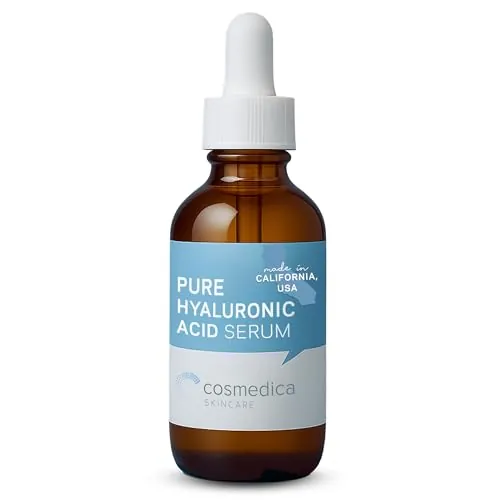
Comparison
Asterwood Hyaluronic Acid Serum and Cosmedica Skincare Hyaluronic Acid Serum are budget-friendly face serums designed to boost hydration and give a plumper-looking finish. Asterwood edges ahead overall with slightly higher performance scores and a fragrance-free formula, while Cosmedica offers a larger 2 oz bottle and strong ease-of-use and packaging scores. Both have mixed feedback around dryness or irritation depending on how much you apply and what you layer on top.
#1 Overall Winner
Contender
Choose Asterwood if you want a fragrance-free hyaluronic acid serum with top-tier value and slightly stronger overall performance. Choose Cosmedica if you prefer a larger 2 oz bottle and you don’t mind an “original” scent profile, while still getting solid hydration and plumping-style results. For either serum, using a small amount on damp skin and following with moisturizer is key to comfort.
Overall winner
Depends on your needs
| Feature | Asterwood Hyaluronic Acid Serum for Face - Plumping, Anti-Aging, Hydrating - Fragrance-Free - 1 Fl Oz | Hyaluronic Acid Serum for Skin 100% Pure Anti Aging Intense Hydration Moisture Non greasy Paraben free, Wrinkle Reducing and Brightening Serum (Pro Formula) 2oz | Winner |
|---|---|---|---|
| Category | Face serum (hyaluronic acid) | Face serum (hyaluronic acid) | Tie |
| Price | $9.85 | $13.98 | Asterwood Hyaluronic Acid Serum for Face - Plumping, Anti-Aging, Hydrating - Fragrance-Free - 1 Fl Oz |
| Size | 1 fl oz | 2 oz | Hyaluronic Acid Serum for Skin 100% Pure Anti Aging Intense Hydration Moisture Non greasy Paraben free, Wrinkle Reducing and Brightening Serum (Pro Formula) 2oz |
| Star rating (Amazon) | 4.5/5 | 4.4/5 | Asterwood Hyaluronic Acid Serum for Face - Plumping, Anti-Aging, Hydrating - Fragrance-Free - 1 Fl Oz |
| Review count (Amazon) | 27,810 | 49,206 | Hyaluronic Acid Serum for Skin 100% Pure Anti Aging Intense Hydration Moisture Non greasy Paraben free, Wrinkle Reducing and Brightening Serum (Pro Formula) 2oz |
| Overall score | 84 | 82 | Asterwood Hyaluronic Acid Serum for Face - Plumping, Anti-Aging, Hydrating - Fragrance-Free - 1 Fl Oz |
| Effectiveness score | 86 | 84 | Asterwood Hyaluronic Acid Serum for Face - Plumping, Anti-Aging, Hydrating - Fragrance-Free - 1 Fl Oz |
| Beauty result score | 84 | 83 | Asterwood Hyaluronic Acid Serum for Face - Plumping, Anti-Aging, Hydrating - Fragrance-Free - 1 Fl Oz |
| Skin compatibility score | 72 | 72 | Tie |
| Scent | Fragrance Free (score 78) | Original (score 58) | Asterwood Hyaluronic Acid Serum for Face - Plumping, Anti-Aging, Hydrating - Fragrance-Free - 1 Fl Oz |
| Packaging quality score | 67 | 72 | Hyaluronic Acid Serum for Skin 100% Pure Anti Aging Intense Hydration Moisture Non greasy Paraben free, Wrinkle Reducing and Brightening Serum (Pro Formula) 2oz |
| Ingredient quality score | 81 | 76 | Asterwood Hyaluronic Acid Serum for Face - Plumping, Anti-Aging, Hydrating - Fragrance-Free - 1 Fl Oz |
| Value score | 91 | 89 | Asterwood Hyaluronic Acid Serum for Face - Plumping, Anti-Aging, Hydrating - Fragrance-Free - 1 Fl Oz |
| Customer satisfaction score | 89 | 86 | Asterwood Hyaluronic Acid Serum for Face - Plumping, Anti-Aging, Hydrating - Fragrance-Free - 1 Fl Oz |
| Claim support score | 78 | 75 | Asterwood Hyaluronic Acid Serum for Face - Plumping, Anti-Aging, Hydrating - Fragrance-Free - 1 Fl Oz |
Asterwood scores slightly higher for effectiveness (86 vs 84), suggesting a more consistently strong hydration outcome across the dataset. Customer summaries for both serums mention immediate moisture and a smoother, plumper-looking finish, which aligns with how hyaluronic acid products are typically used in skincare routines. The main effectiveness “caveat” is that both products have mixed reports of dryness or irritation—often when users apply too much or don’t moisturize afterward. If you want the most reliable hydration step at this price point, Asterwood has the edge; if you prefer a larger bottle and still strong results, Cosmedica remains competitive.
Both serums are designed to improve the “look and feel” of skin mainly through hydration—typically translating to a plumper appearance, a smoother surface, and a fresher finish when layered properly. Asterwood gets frequent feedback about soft, glowing-looking skin and a refreshed look, while Cosmedica’s review summary often highlights brighter, more youthful-looking skin and a smoother, plumper appearance. If you prioritize a no-scent routine and straightforward layering under moisturizer or makeup, Asterwood has a practical edge; if you want a larger bottle for daily face use, Cosmedica may be more convenient.
On visible results, Asterwood leads narrowly (beauty result 84 vs 83). In practical terms, both appear to deliver a similar cosmetic payoff: skin that looks smoother and more hydrated, with a temporary plumping effect that can make fine lines look less noticeable. Asterwood’s fragrance-free positioning may help it layer more seamlessly in routine, while Cosmedica’s lower scent score suggests the sensory experience may be more hit-or-miss. If your priority is a consistently pleasant, neutral routine feel alongside visible hydration, Asterwood is slightly better supported here.
In a skincare routine, both products function as a humectant serum step—best applied to damp skin and followed by a moisturizer to help reduce moisture loss. Asterwood positions itself as compatible with common routine actives (as stated in its product details) and highlights being free from fragrance, parabens, sulfates, and oils. Cosmedica emphasizes “pure” hyaluronic acid and also markets brightening and undereye-support style benefits, though the provided evidence for those claims is mainly customer feedback rather than clinical data. With either option, users who experience dryness often do better using less product and sealing it in with moisturizer.
Safety scores are tied (71 vs 71). For both serums, the most relevant safety considerations in the provided data are user-reported sensations like burning, tingling, or redness, plus mixed reports of dryness—often associated with using too much product or not moisturizing afterward. Asterwood also has a review mentioning an unusual bottle experience (color/odor and contamination), which is more of a quality-control concern than a typical use risk. If you’re sensitive, apply a small amount, avoid the eye area unless you know you tolerate it, and stop use if irritation persists.
Comfort is effectively a tie (both score 73). Many users describe a soft, refreshed feel, but comfort can drop for those who experience dryness or mild stinging—especially when over-applied. Asterwood’s fragrance-free profile can help keep the experience more neutral for scent-sensitive users, while Cosmedica’s lower scent score suggests comfort may be affected by sensory preference. With either option, using fewer drops and layering moisturizer tends to improve overall wear comfort.
Cosmedica scores slightly higher for ease of use (88 vs 86), though both are straightforward: apply a small amount to clean, damp skin and follow with moisturizer. Asterwood’s directions are very explicit (2–4 drops, damp skin, lock in with moisturizer), which helps reduce trial-and-error. With Cosmedica, the recurring tip from reviews is to avoid using too much to prevent dryness. If you want the simplest “rules,” Asterwood is very clear; if you want a slightly more user-friendly overall experience per scoring, Cosmedica edges it.
Application scores are very close (Asterwood 82 vs Cosmedica 81). Both are typically described as easy to spread and quick to absorb when used in small amounts, making them suitable for layering. The biggest application issue is dosing: some users find either serum can feel drying if too much is applied. Asterwood also has mixed feedback on consistency (watery/runny vs expected), which can affect dropper control and how easily it stays where you apply it.
Skin compatibility is a tie on score (72 vs 72), and the review summaries suggest similar variability. Many users report comfortable hydration, but a noticeable minority mention burning, tingling, redness, or dryness—especially with heavier application. Asterwood’s fragrance-free formula may be preferable if you try to minimize potential irritants, while Cosmedica reviews also include examples of users needing to “go easy” and rely on a moisturizer to avoid dryness. For either serum, start with a small amount, avoid over-applying, and patch test if you’re prone to sensitivity.
Finish quality is close, with Asterwood scoring a bit higher (80 vs 78). Both are typically described as lightweight and suitable for layering, with users aiming for a smooth, hydrated finish rather than an oily feel. Asterwood reviews mention quick, noticeable softness and a refreshed look, while Cosmedica feedback often describes a plump, smoother appearance. Because some users report dryness with either product, the “best finish” usually comes from applying to damp skin and sealing with moisturizer to avoid a tight or overly dry feel.
Asterwood has a small advantage in longevity (77 vs 74), implying its hydration effect may hold up slightly better across typical use. That said, both products are commonly used as a serum layer, and many routines will still rely on a moisturizer on top for longer-lasting comfort. If you want a serum that’s more likely to feel consistently hydrating through the day, Asterwood has the data edge; if you’re already using a solid moisturizer and just want a lightweight HA step, either can work.
Asterwood is clearly advantaged on scent because it’s labeled fragrance-free and has a higher scent score (78). Cosmedica is labeled “Original” and scores much lower (58), which suggests scent is more noticeable and more polarizing for users. If you’re sensitive to fragrance, prefer unscented routines, or layer multiple products and want minimal interference, Asterwood is the safer choice based on the data provided.
Durability is close, with Cosmedica slightly higher (70 vs 68). For serums, durability is mostly about the product staying usable (no leakage, no unexpected texture changes) and packaging holding up over time. Asterwood has some complaints about bottles feeling different between batches, which can reduce confidence in consistency. Cosmedica doesn’t show the same type of batch-related feedback in the provided snippets, though it still has mixed results reports. Neither is a clear runaway winner, but Cosmedica has a small edge on the durability score.
Asterwood scores higher for personalization (76 vs 67), largely because it explicitly calls out broad skin type compatibility (including sensitive) and provides clearer routine pairing guidance (e.g., how to layer). Cosmedica is also positioned for all skin types, but has fewer concrete “chooser” details in the provided specs beyond a general “Original” scent and brightening-focused benefits. If you want a product that’s easier to slot into different routines and preferences (especially fragrance-free), Asterwood is the more adaptable option on the data provided.
Asterwood leads on ingredient quality (81 vs 76) based on the provided scoring. In the product details, Asterwood clearly lists multiple “free-from” points (no parabens, fragrance, sulfates, and oils) and positions itself as suitable for sensitive, clog-prone skin. Cosmedica emphasizes a short, “naturally derived” approach and paraben-free positioning, but the provided data doesn’t include a full ingredient list to evaluate beyond hyaluronic acid and general claims. If you prioritize clearer “free-from” messaging and fragrance-free routine fit, Asterwood is better supported in the information given.
Cosmedica scores better for packaging quality (72 vs 67). While both are standard serum formats, Asterwood’s lower score aligns with some negative feedback about product consistency and at least one report of an “off” bottle experience, which can impact trust in day-to-day use. If packaging reliability and a smoother purchase-to-use experience matters most, Cosmedica has the edge; if you’re willing to trade packaging polish for fragrance-free value, Asterwood still performs strongly overall.
Both products rate as strong values (Asterwood 91 vs Cosmedica 89). Asterwood’s lower upfront price and strong satisfaction feedback make it especially compelling if you want a budget-friendly, fragrance-free hydration serum that performs like pricier options for many users. Cosmedica’s value proposition leans more on bottle size (2 oz) and high review volume; for people who use hyaluronic acid daily, that can improve cost-per-use even if the purchase price is higher. If you want the best value score and lowest entry cost, Asterwood wins; if you want more product in one bottle, Cosmedica may feel like better value for you.
Brand trust is a tie on score (74 vs 74). Both brands have very large review counts and strong overall ratings, which can signal consistency for many buyers. Where trust can differ is in the type of complaints: Asterwood has more explicit “batch/consistency” style issues mentioned in the provided reviews, while Cosmedica’s concerns lean more toward results not being universal and some dryness/irritation when over-applied. If brand trust for you means predictable bottle-to-bottle feel, Cosmedica may seem steadier on the available information, but the scores rate them equally overall.
Asterwood leads on customer satisfaction (89 vs 86) and also has a slightly higher star rating (4.5 vs 4.4). Across the summaries, both products are frequently praised for hydration and a plumper-looking finish, and both are called good value. The most repeated negatives are also similar—mixed reactions on dryness and occasional irritation—though Asterwood additionally shows some stronger complaints about consistency and a rare quality-control report. Overall sentiment remains very positive for both, with Asterwood a bit more favorable in the scoring.
Asterwood has slightly stronger claim support (78 vs 75). The best-supported claims for both are hydration and a plumping cosmetic effect, which are echoed in customer summaries and align with hyaluronic acid’s typical role in skincare. Claims that go further—such as dramatic wrinkle reversal, “in-office treatment” comparisons, or specific undereye/brightening outcomes—are not backed by clinical evidence in the provided information and appear mostly as marketing language or individual user experiences. Treat both as hydration-first serums, and view more dramatic claims as less certain.
Both products include vegan and cruelty-free positioning in the provided details, and their ethical transparency scores are close (Asterwood 84 vs Cosmedica 82). Asterwood also states additional “free-from” points (like fragrance-free and no parabens) and mentions gluten-free, which may matter to some shoppers. Neither listing provides extensive sourcing or sustainability specifics in the data given, so ethical evaluation is limited to the stated positioning and the provided scores.
Asterwood Hyaluronic Acid Serum wins overall by a small margin thanks to stronger value, slightly higher effectiveness and beauty-result scores, and a fragrance-free formula that’s easier to live with in many routines. Its main downside is consistency/quality-control style complaints and weaker packaging quality.
Cosmedica Hyaluronic Acid Serum is a close runner-up with a larger 2 oz bottle, strong ease of use, and better packaging quality. Its main drawbacks are a lower scent score and more mixed experiences around dryness or irritation, especially when over-applied. If you want the safest fragrance profile and best value score, choose Asterwood; if you want more product per bottle and don’t mind scent, Cosmedica can be the better fit.
Overall winner
Depends on your needs
Based on the provided scores, Asterwood comes out slightly ahead overall (84 vs 82) and leads on value and scent experience (it’s fragrance-free). Cosmedica is close behind with strong hydration-focused feedback and a larger 2 oz size. If you want fragrance-free and top value, Asterwood is the safer pick; if you want more product per bottle, Cosmedica can fit better.
Both have the same skin compatibility score (72), and both have mixed feedback: many users report no irritation, while some mention burning/tingling or redness (often when using too much). Asterwood is explicitly fragrance-free and positioned for sensitive complexions, which may matter for fragrance-sensitive users. Either way, start with a small amount and consider patch testing.
They’re very close on visible results: Asterwood has a slightly higher beauty result score (84 vs 83) and strong “plumper, smoother” feedback in reviews. Cosmedica also has frequent comments about skin looking brighter, smoother, and plumper. In practice, your result may depend on how you apply it (on damp skin, then seal with moisturizer) and how your skin responds.
Both are easy to integrate, with Cosmedica scoring slightly higher for ease of use (88 vs 86). Asterwood provides very clear routine instructions (apply 2–4 drops to damp skin and follow with moisturizer). Cosmedica feedback suggests using a light hand can help avoid dryness. If you want the simplest “no scent” layer, Asterwood may feel more straightforward.
Both are marketed for anti-aging benefits, and users commonly describe a smoother, more plumped look that can make fine lines appear less noticeable. However, the support here is primarily customer experience and product positioning rather than clinical proof in the provided data. For many people, the main benefit is hydration and temporary plumping, especially when sealed with a moisturizer.
Asterwood is labeled fragrance-free and has a higher scent score (78). Cosmedica is labeled “Original” and has a much lower scent score (58), suggesting more users may find the scent noticeable or less preferred. If you avoid scented skincare or are cautious about fragrance, Asterwood is the clearer choice based on the provided information.
Asterwood scores slightly higher for value (91 vs 89) and has strong feedback about performing like more expensive options. Cosmedica can still be good value because the bottle size is 2 oz, which may reduce cost per use for frequent application. If you’re choosing purely by value score and fragrance-free preferences, Asterwood edges it; if you prioritize size, Cosmedica may win for you.
Both have mid-to-high claim support scores (Asterwood 78, Cosmedica 75), which suggests the core hydration/plumping experience is reasonably consistent with buyer feedback. That said, some marketing statements (especially around dramatic wrinkle change or brightening/undereye support) aren’t backed by clinical evidence in the provided data. Expect hydration-led cosmetic benefits, with variability by skin and usage amount.
Check our rankings and expert guides to find the best beauty products for your goals.