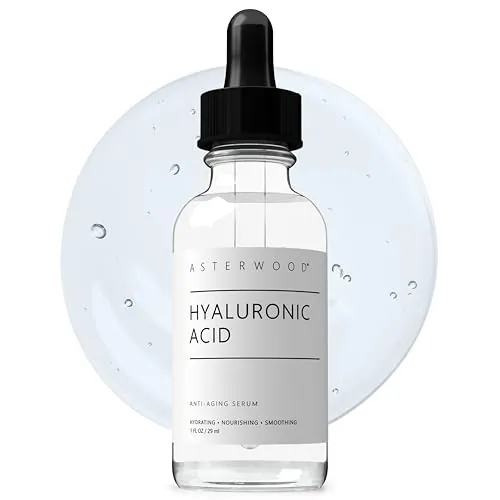
#1 Overall Winner
Asterwood Hyaluronic Acid Serum for Face - Plumping, Anti-Aging, Hydrating - Fragrance-Free - 1 Fl Oz
- Strong overall performance: Higher overall score, driven by hydration/plumping results and ease of routine use.
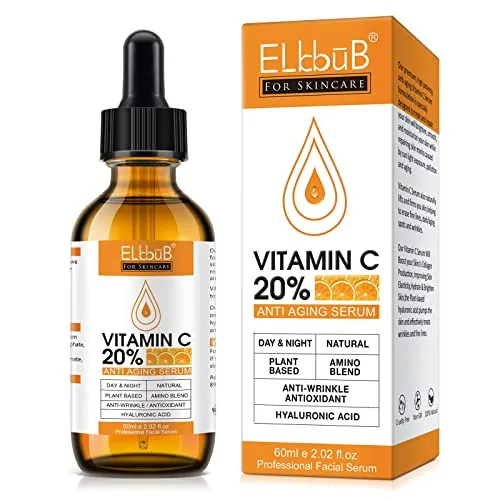
Comparison
Asterwood Hyaluronic Acid Serum and ELBBUB Vitamin C Serum are both budget-friendly face serums with large review counts and fragrance-free positioning. Asterwood scores higher overall and is more clearly centered on hydration and a plumper-looking finish, while ELBBUB is positioned around vitamin C for a brighter, more radiant look. If you want simpler, hydration-first layering, Asterwood is the clearer fit; if you’re chasing glow on a tight budget, ELBBUB may appeal.
#1 Overall Winner
Contender
Choose Asterwood Hyaluronic Acid Serum if you want a hydration-first serum with higher overall scoring, strong ease of use, and very high satisfaction. Choose ELBBUB Vitamin C Serum if you want a budget vitamin C option aimed at a brighter-looking finish and you don’t mind a runnier texture and more mixed results. Both are positioned as fragrance-free, but patch testing is sensible.
Overall winner
Depends on your needs
| Feature | Asterwood Hyaluronic Acid Serum for Face - Plumping, Anti-Aging, Hydrating - Fragrance-Free - 1 Fl Oz | Premium 20% Vitamin C Serum For Face with Hyaluronic Acid, Retinol & Amino Acids - Boost Skin Collagen,Hydrate & Plump Skin, Anti Aging & Wrinkle Facial Serum 60ml | Winner |
|---|---|---|---|
| Category | Face serum (hyaluronic acid) | Face serum (vitamin C-led) | Depends |
| Price | $9.85 | $5.97 | Premium 20% Vitamin C Serum For Face with Hyaluronic Acid, Retinol & Amino Acids - Boost Skin Collagen,Hydrate & Plump Skin, Anti Aging & Wrinkle Facial Serum 60ml |
| Average rating | 4.5/5 | 4.4/5 | Asterwood Hyaluronic Acid Serum for Face - Plumping, Anti-Aging, Hydrating - Fragrance-Free - 1 Fl Oz |
| Review count | 27,810 | 32,474 | Premium 20% Vitamin C Serum For Face with Hyaluronic Acid, Retinol & Amino Acids - Boost Skin Collagen,Hydrate & Plump Skin, Anti Aging & Wrinkle Facial Serum 60ml |
| Overall score | 84 | 79 | Asterwood Hyaluronic Acid Serum for Face - Plumping, Anti-Aging, Hydrating - Fragrance-Free - 1 Fl Oz |
| Effectiveness score | 86 | 78 | Asterwood Hyaluronic Acid Serum for Face - Plumping, Anti-Aging, Hydrating - Fragrance-Free - 1 Fl Oz |
| Beauty result score | 84 | 81 | Asterwood Hyaluronic Acid Serum for Face - Plumping, Anti-Aging, Hydrating - Fragrance-Free - 1 Fl Oz |
| Skin compatibility score | 72 | 74 | Premium 20% Vitamin C Serum For Face with Hyaluronic Acid, Retinol & Amino Acids - Boost Skin Collagen,Hydrate & Plump Skin, Anti Aging & Wrinkle Facial Serum 60ml |
| Finish quality score | 80 | 82 | Premium 20% Vitamin C Serum For Face with Hyaluronic Acid, Retinol & Amino Acids - Boost Skin Collagen,Hydrate & Plump Skin, Anti Aging & Wrinkle Facial Serum 60ml |
| Ease of use score | 86 | 83 | Asterwood Hyaluronic Acid Serum for Face - Plumping, Anti-Aging, Hydrating - Fragrance-Free - 1 Fl Oz |
| Application score | 82 | 75 | Asterwood Hyaluronic Acid Serum for Face - Plumping, Anti-Aging, Hydrating - Fragrance-Free - 1 Fl Oz |
| Ingredient quality score | 81 | 78 | Asterwood Hyaluronic Acid Serum for Face - Plumping, Anti-Aging, Hydrating - Fragrance-Free - 1 Fl Oz |
| Value score | 91 | 92 | Premium 20% Vitamin C Serum For Face with Hyaluronic Acid, Retinol & Amino Acids - Boost Skin Collagen,Hydrate & Plump Skin, Anti Aging & Wrinkle Facial Serum 60ml |
| Brand trust score | 74 | 60 | Asterwood Hyaluronic Acid Serum for Face - Plumping, Anti-Aging, Hydrating - Fragrance-Free - 1 Fl Oz |
| Customer satisfaction score | 89 | 86 | Asterwood Hyaluronic Acid Serum for Face - Plumping, Anti-Aging, Hydrating - Fragrance-Free - 1 Fl Oz |
| Claim support score | 78 | 68 | Asterwood Hyaluronic Acid Serum for Face - Plumping, Anti-Aging, Hydrating - Fragrance-Free - 1 Fl Oz |
| Ethical transparency score | 84 | 66 | Asterwood Hyaluronic Acid Serum for Face - Plumping, Anti-Aging, Hydrating - Fragrance-Free - 1 Fl Oz |
Asterwood scores higher for effectiveness (86 vs 78), which fits its straightforward goal: delivering hydration and a plumper-looking result via hyaluronic acid. Review summaries emphasize moisturization—especially for dry skin—and a smoother, refreshed look. ELBBUB can feel effective for some users (notably for glow and the appearance of tone improvement), but the dataset also includes more “no results” reports, pulling down its effectiveness score. If you want the more predictable performance based on this data, Asterwood is the stronger pick; if you want vitamin C-style benefits, ELBBUB may work well for you but is less consistent across reviewers.
For visible “day-to-day” results, Asterwood is more consistently described as making skin look plumper and feel softer through hydration, which can improve how skin looks under makeup. ELBBUB, by contrast, is more often associated with a brighter-looking, glowier finish and a more radiant appearance in reviews. If your main goal is smoothing and cushioning the look of dryness, Asterwood is the clearer match; if you’re prioritizing glow and the look of more even tone, ELBBUB is the more directly targeted option—though results appear more variable.
Beauty-result scoring slightly favors Asterwood (84 vs 81), suggesting its hydration-led smoothing and plumping effect shows up reliably in user experience. ELBBUB still scores well and is often described as giving a brighter, glowier look, which can be especially noticeable in daytime routines. The difference is less about “good vs bad” and more about the kind of result: Asterwood leans toward cushioned, hydrated-looking skin; ELBBUB leans toward radiance/brightening, with a wider spread of outcomes reported.
Both products function as skincare serums used on the face (and Asterwood is also positioned for neck use). Asterwood is a single-hero-ingredient style hydrator (hyaluronic acid) intended to be layered with moisturizer to lock in hydration, and it’s explicitly positioned as suitable for all skin types, including sensitive. ELBBUB is framed as a vitamin C serum with botanical ingredients referenced, and some reviewers use it for the appearance of dark spots and radiance; however, effectiveness feedback is mixed and the product is labeled for oily skin in specs. For a simple hydration step, Asterwood is easier to place; for a brightening-focused step, ELBBUB is the more direct fit.
Safety scores are close (Asterwood 71; ELBBUB 70). With both serums, the main safety consideration from the provided data is tolerance: Asterwood has some reports of burning/tingling, while ELBBUB’s runny texture has been noted to potentially run into the eye area if applied too generously. Neither product should be treated as risk-free for everyone—avoid direct eye contact, introduce new serums gradually, and consider patch testing, especially if you have a history of sensitivity.
ELBBUB scores higher for comfort (80 vs 73). Many reviewers describe it as light, not greasy, and comfortable under makeup, which can matter if you dislike heavier layers. Asterwood is often described as hydrating and non-sticky, but the lower comfort score and sensitivity notes suggest it may feel less universally comfortable—particularly for users who experience tingling or who dislike very watery textures.
Asterwood is slightly easier to use overall (86 vs 83). Its directions and common usage pattern (apply to damp skin, then moisturize) are simple, and its application score is higher. ELBBUB can also be easy, but its thin/runny consistency is a repeated theme and may require a bit more care (smaller amount, slower application) to avoid dripping or getting too close to the eyes.
Asterwood leads clearly on application (82 vs 75). While both products get “watery/runny” comments, ELBBUB is more consistently described as thin and drippy, which can make dosing and even spread slightly fussier. Asterwood’s application experience appears more consistent overall, even though some buyers still report a very runny bottle or batch-to-batch variation.
Skin compatibility is close, with ELBBUB slightly higher (74 vs 72). That said, the review summaries for both highlight variability: Asterwood has reports of burning/tingling for some sensitive users even though it’s positioned as suitable for sensitive skin and fragrance-free. ELBBUB is also fragrance-free in its positioning, but at least one reviewer notes very sensitive skin may prefer a lower vitamin C strength, and some users report no benefits. If you’re reactive, start slowly, use a small amount, and consider patch testing either serum.
ELBBUB edges Asterwood on finish quality (82 vs 80). In practice, both are often described as lightweight and quick-absorbing, but ELBBUB’s finish is more often framed as smooth and non-greasy under makeup. Asterwood’s finish is typically described through the lens of hydration and softening, sometimes leaving a “matte-soft” feel after it dries down. If you dislike any tackiness or heaviness, either could work, but ELBBUB has the slight finish advantage on score.
Asterwood leads on longevity (77 vs 72), implying its hydration benefits may hold up better through the day or night in typical use. Because hyaluronic acid is often used as a routine “base layer” and then sealed with moisturizer, the staying power may depend heavily on what you apply on top. ELBBUB’s results are more mixed in reviews, and the lower longevity score suggests its visible effect may be less consistent across users or routines.
Both products are positioned as fragrance-free, and their scent scores are fairly close (Asterwood 78; ELBBUB 76). In reviews, ELBBUB is sometimes described as smelling like “nothing,” which some people like and others find unusual. Asterwood also has a minority report of a bottle smelling different, framed as a possible bad batch. If you’re scent-sensitive, both should be comparatively low-risk, but it’s still worth checking the product upon arrival.
Durability scores are close (Asterwood 68; ELBBUB 70). For consumable serums, “durability” is mainly about the product staying usable and consistent over time. Asterwood has some batch/consistency concerns mentioned by buyers, which can affect perceived stability. ELBBUB’s lower issue is more about the inherent thinness of the formula rather than it changing unexpectedly, though results are mixed. In both cases, monitor for changes in color or smell and keep within typical use-by expectations.
Asterwood scores higher for personalization (76 vs 64) and lists compatibility across combination, dry, normal, oily, and sensitive skin types, plus use on face and neck. ELBBUB’s specs list oily skin, which may be a good fit for some but is less broadly positioned. Neither product offers shade options, but Asterwood provides a more flexible “fits most routines” framing, while ELBBUB is more about a specific vitamin C-style goal.
Asterwood scores higher for ingredient quality (81 vs 78) and is positioned as free from parabens, fragrance, sulfates, and oils, with hyaluronic acid as the special ingredient. It also lists vegan, gluten-free, and cruelty-free in the provided data. ELBBUB describes a plant-based formulation and being free of synthetic color additives and fragrance, and references botanical components and vitamin C; however, the dataset does not provide a full ingredient list here, and the scoring gives Asterwood a modest edge. If you prefer a simpler, clearer “what it is and how to use it” formula approach, Asterwood reads more straightforward from the provided info.
Packaging quality is very similar (Asterwood 67; ELBBUB 68), with ELBBUB only slightly ahead. For Asterwood, a notable negative review mentions an unusual bottle/batch experience (color, smell, and a contaminant-like issue), which can affect confidence even if it’s not common. ELBBUB’s main practical issue is less about packaging failures and more about controlling a thin formula during dispensing and application. If you travel often, check for secure closures and store upright when possible.
Both serums are standout budget options with excellent value scores (Asterwood 91; ELBBUB 92). Asterwood’s value is reinforced by very strong effectiveness scoring and frequent “better than expensive alternatives” comments. ELBBUB’s value is boosted by its low price and multi-benefit positioning, with many reviewers also comparing it favorably to pricier vitamin C serums—though a minority report no results. If you want value with more consistent hydration-focused performance, Asterwood is slightly safer; if you want the cheapest entry into a vitamin C-style routine, ELBBUB is compelling.
Asterwood leads on brand trust (74 vs 60). In the provided dataset, it also pairs that advantage with higher claim support and slightly higher customer satisfaction, which tends to reinforce confidence for repeat buying. ELBBUB’s lower brand trust score doesn’t mean it can’t work, but it suggests less overall confidence or consistency in this comparison context. If brand reassurance matters to you, Asterwood is the stronger pick.
Both products have high customer satisfaction scores, with Asterwood ahead (89 vs 86). Asterwood’s reviews strongly cluster around hydration, softness, and repurchase behavior, but include some disagreement about consistency and some irritation reports. ELBBUB has a very large review base and many enthusiastic glow/texture comments, but also more frequent “worked for me vs did nothing” divergence. If you value predictability, Asterwood’s satisfaction profile looks more consistent.
Asterwood scores higher for claim support (78 vs 68). Its core claims focus on hydration, moisture loss prevention, and plumping—outcomes that are frequently echoed in review summaries. ELBBUB makes broader anti-aging and collagen-related statements and references dark spots; while some reviewers report brighter-looking skin, others report no results, and the dataset notes limited evidence behind some anti-aging claims. For either product, treat the marketing language as guidance rather than guaranteed outcomes, and judge primarily by how your skin responds over several weeks.
Ethical/transparency scoring favors Asterwood (84 vs 66). Asterwood explicitly states vegan, gluten-free, and cruelty-free in the provided data. ELBBUB describes a plant-based formulation and being free of synthetic color additives and fragrance, but the provided data does not include the same level of ethical labeling detail. If cruelty-free/vegan labeling is a priority and you want the clearer statement, Asterwood is the better match here.
Overall winner: Asterwood Hyaluronic Acid Serum. It scores higher overall and for effectiveness, application, ingredient quality, brand trust, and customer satisfaction—making it the more dependable choice if you want hydration and a smoother, plumper-looking complexion. Its main limitation is variability in texture and the fact that some users experience tingling or burning.
ELBBUB Vitamin C Serum is still a strong budget alternative, especially if you want a brighter-looking finish and prefer a light, comfortable feel. Its biggest drawbacks are its very thin consistency, more mixed effectiveness reports, and lower claim support/brand trust in this dataset. If glow is your priority and you’re comfortable experimenting, it can be a good buy; for predictability, Asterwood is the safer pick.
Overall winner
Depends on your needs
Based on the provided scoring, Asterwood Hyaluronic Acid Serum ranks higher overall (84 vs 79) and also leads on effectiveness. ELBBUB’s Vitamin C Serum still performs well for a budget option, especially for a brighter-looking finish, but buyer feedback is more mixed on results. The better choice depends on whether you prioritize hydration (Asterwood) or a glow/brightening focus (ELBBUB).
Asterwood is the more hydration-first option, built around hyaluronic acid and supported by strong effectiveness and beauty-result scores. Reviews frequently mention immediate hydration, softer skin, and a plumper look. ELBBUB also includes hyaluronic acid in its positioning, but it’s primarily framed as a vitamin C serum and has more mixed reports on results.
ELBBUB’s Vitamin C Serum is the more directly glow/brightening-oriented option in the provided descriptions and reviews, with many users describing increased radiance and a more even-looking tone. Asterwood can improve the look of skin through hydration and smoothing, but it’s not specifically positioned as a brightening serum in the data provided.
Neither product is a guaranteed fit for sensitive skin, but Asterwood is explicitly listed as suitable for sensitive skin types and is fragrance-free. That said, some Asterwood users report burning or tingling. ELBBUB reviewers also note that very sensitive skin may prefer lower vitamin C strength. Patch testing and gradual use are sensible for either option.
Yes—both products get repeated feedback about texture. Asterwood reviews disagree on consistency, with some calling it watery/runny and others finding it more typical. ELBBUB is frequently described as thin and runny, with at least one reviewer warning it can run toward the eyes if applied too heavily or too close to the eye area.
Asterwood scores slightly higher for ease of use (86 vs 83) and is commonly described as easy to layer on damp skin under moisturizer. ELBBUB can also fit a simple routine, but the runnier texture and mixed effectiveness feedback may create more trial-and-error for some users. In either case, keeping the routine basic at first can help you assess how your skin responds.
Both score exceptionally well for value, with ELBBUB slightly higher (92 vs 91). Shoppers frequently compare each to higher-priced alternatives. Practically, value will depend on which outcome you want most: Asterwood’s more consistent hydration-focused performance versus ELBBUB’s potential glow/brightening benefits with more mixed “worked vs didn’t work” feedback.
In the provided scoring, Asterwood rates higher for claim support (78 vs 68). Its main positioning—hydration and plumping from hyaluronic acid—also aligns with typical cosmetic expectations. ELBBUB includes broader anti-aging and “collagen” style language, but the dataset also notes limited evidence behind some claims and mixed user-reported results. Treat these as cosmetic goals rather than guaranteed outcomes.
Check our rankings and expert guides to find the best beauty products for your goals.