#1 Overall Winner
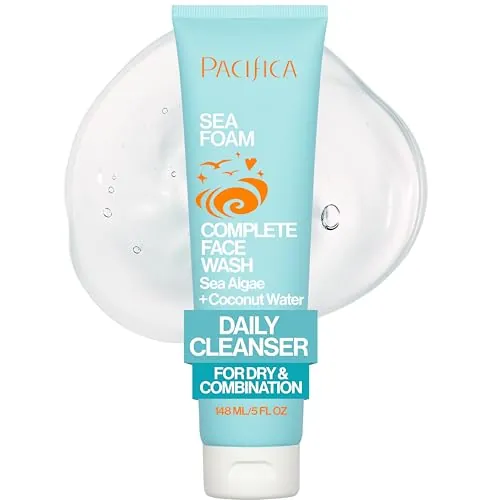
Pacifica Beauty Sea Foam Face Wash
- Strong overall performance for a daily cleanser (overall score 79; effectiveness 84).
Comparison
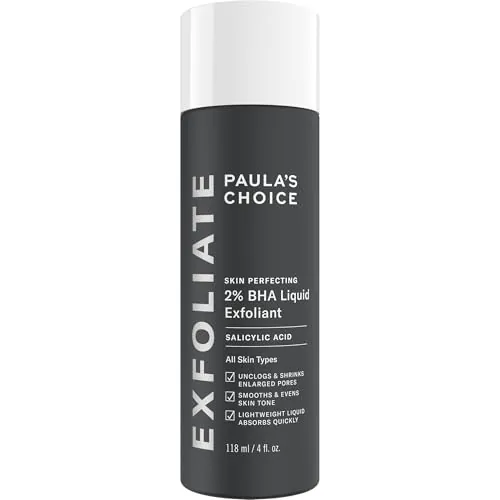
Pacifica Sea Foam Face Wash and Paula’s Choice SKIN PERFECTING 2% BHA Liquid Exfoliant target “clearer-looking” skin in very different ways: one cleanses, the other exfoliates. Pacifica stands out for ease of use and value, while Paula’s Choice scores higher for pore congestion and smoother-looking texture. The better pick depends on whether you need a daily makeup-removing cleanser, a leave-on BHA step, or both.
#1 Overall Winner
Contender
Choose Pacifica Sea Foam Face Wash if you want an affordable, easy daily cleanser that removes makeup and leaves skin feeling clean and soft for many users. Choose Paula’s Choice 2% BHA if your main goal is improving the look of pores and texture with a leave-on salicylic acid step. If you can use both, they’re complementary rather than true substitutes.
Overall winner
Depends on your needs
| Feature | Pacifica Beauty Sea Foam Face Wash | Paula's Choice SKIN PERFECTING 2% BHA Liquid Exfoliant | Winner |
|---|---|---|---|
| Category / step | Rinse-off foaming face wash (cleanser) |
Leave-on chemical exfoliant (2% BHA) |
Depends |
| Overall score | 79 |
88 |
Paula's Choice SKIN PERFECTING 2% BHA Liquid Exfoliant |
| Effectiveness score | 84 |
92 |
Paula's Choice SKIN PERFECTING 2% BHA Liquid Exfoliant |
| Beauty result score | 79 |
91 |
Paula's Choice SKIN PERFECTING 2% BHA Liquid Exfoliant |
| Skin compatibility score | 74 |
82 |
Paula's Choice SKIN PERFECTING 2% BHA Liquid Exfoliant |
| Ease of use score | 86 |
74 |
Pacifica Beauty Sea Foam Face Wash |
| Scent score | 81 (coconut scent) |
86 (fragrance-free/unscented positioning) |
Depends |
| Packaging quality score | 74 (tube) |
52 (bottle; messy dispensing complaints) |
Pacifica Beauty Sea Foam Face Wash |
| Value score | 84 ($9.97 / 5 fl oz) |
68 ($37 / 4 fl oz) |
Pacifica Beauty Sea Foam Face Wash |
| Customer satisfaction score | 87 (7,537 reviews; 4.5/5) |
93 (114,301 reviews; 4.5/5) |
Paula's Choice SKIN PERFECTING 2% BHA Liquid Exfoliant |
Paula’s Choice leads on effectiveness (92 vs 84), which matches its purpose as a leave-on 2% salicylic acid exfoliant targeting pore congestion and uneven texture. Customers frequently report smoother skin and clearer-looking pores with consistent use, though some note dryness or tingling if they apply too much or start too often.
Pacifica is still a strong performer for what it is: a daily cleanser that users say removes makeup well and leaves skin feeling clean and soft. As a rinse-off product, its impact is more immediate cleansing than longer-term texture refinement, and a minority of users report eye stinging or tightness.
For visible “after” results, Paula’s Choice is more likely to deliver noticeable changes in texture and the look of pores because it’s a leave-on 2% BHA product designed to work beyond cleansing. Reviewers often describe smoother-feeling skin and a brighter, more even look over time. Pacifica’s visible results are more about a fresh-clean finish—skin feeling soft, clean, and balanced after washing—though some users also describe a tight/stripped feeling if it’s not the right match.
The beauty result scores show a clear gap: Paula’s Choice scores 91 vs Pacifica’s 79. In practical terms, Paula’s Choice is more associated with smoother-looking texture, a brighter appearance, and less visible congestion over time (per buyer feedback). Pacifica’s results are more about a refreshed look right after cleansing—clean, soft skin with a balanced feel for many users. If your “beauty result” goal is makeup removal and a fresh finish, Pacifica can be enough; if it’s texture and pore appearance, Paula’s Choice is stronger.
Both products fit into skincare, but they fill different roles. Pacifica is a daily cleanser step that focuses on removing makeup, oil, and impurities; its strong points are comfort (82), ease of use (86), and value (84). Paula’s Choice is a treatment-style exfoliation step (2% salicylic acid) meant to be left on, which aligns with its higher effectiveness (92) and claim support (89) for pore and texture concerns. If you’re building a routine, the most direct comparison is not “which replaces the other,” but whether you need cleansing, exfoliation, or both.
Both products are used on the face, so eye-area avoidance and sensible introduction are important. Pacifica’s safety score (70) is lower than Paula’s Choice (77), in part because some users report eye stinging and occasional irritation or allergic reaction. Paula’s Choice is a chemical exfoliant, and reviews mention tingling, dryness, burning sensations, and flaking if overused—so gradual use and moisturizing are common practical safeguards. Neither product’s review feedback should be treated as medical evidence, but it does highlight that tolerance varies person to person.
Pacifica is more comfortable for many users in day-to-day cleansing (comfort 82 vs 78). Reviews often mention soft, moisturized skin and a pleasant wash experience. Paula’s Choice can feel comfortable once your skin adjusts, and some users describe it as non-sticky and quick-drying, but comfort is more variable due to reports of tingling, dryness, or burning sensations—especially when starting out.
Pacifica wins for ease of use (86 vs 74). As a foaming cleanser, it’s straightforward: apply, lather, rinse, done—many users also note a small amount goes a long way. Paula’s Choice requires a more deliberate leave-on step (often applied like a toner with drops/cotton), and several reviews mention the dispenser can be messy, which adds inconvenience. If you want a low-maintenance routine, Pacifica fits better.
Application scores are equal (80 vs 80), but the “feel” of application is different. Pacifica’s application is about lather and rinse: users like the foam and how easily it washes off. Paula’s Choice application is about controlled dosing and even coverage: reviewers often apply a few drops and let it sink in, but some complain that the bottle dispenses too freely and causes mess or product waste. Both can apply well, but Paula’s Choice is more technique-dependent.
Paula’s Choice has the higher skin compatibility score (82 vs 74), but both products can be hit-or-miss depending on sensitivity and usage. With Paula’s Choice, reviews often recommend starting slowly because some people experience dryness, tingling, flaking, or burning sensations—especially if they overapply. With Pacifica, many users call it gentle and non-drying, yet there are notable complaints about eye stinging and occasional irritation/allergic reaction. For either product, patch testing and avoiding the immediate eye area are sensible precautions.
Finish quality is stronger for Paula’s Choice (87 vs 78), which fits the “polished” feel many users describe—skin feeling smoother and looking more even after the leave-on step dries down. Pacifica’s finish is the classic cleanser finish: a clean, rinsed feel with good foam and little residue for most users. However, some reviewers note Pacifica can leave skin feeling tight, which can affect how comfortable that post-cleanse finish feels.
Paula’s Choice leads on longevity (84 vs 60). That makes sense: a leave-on exfoliant is designed to keep working after application, and many users report ongoing texture and pore benefits with regular use. Pacifica’s longevity score is lower because it’s a rinse-off cleanser—its main benefit is the immediate “clean” result rather than long-lasting treatment effects. If you want benefits that persist beyond cleansing, Paula’s Choice has the edge.
Pacifica is the scented option (scent score 81) and is often described as coconut-forward, though not everyone finds it strong. Paula’s Choice is positioned as fragrance-free/unscented and scores slightly higher (86), which usually means less scent impact in use. If you’re fragrance-averse, Paula’s Choice is the safer bet; if you enjoy a light tropical cleanser scent, Pacifica is the more enjoyable experience.
Paula’s Choice has a higher durability score (79 vs 72), suggesting better long-term “stays usable” expectations as a product, though the packaging mess can still be a practical downside. Pacifica’s durability is solid for a tube cleanser, and users often note that a tube lasts a while because a small amount is effective. Neither product is a device, so durability here is mostly about packaging stability and ongoing usability rather than hardware reliability.
Paula’s Choice scores slightly higher for personalization (72 vs 68), mostly because users can tailor frequency (every other day, daily, etc.) and placement (full face vs targeted areas) based on tolerance—something reviews explicitly discuss. Pacifica is also flexible (AM/PM cleansing, amount used), but it’s primarily one consistent cleansing experience rather than a customizable “active” step. For highly individualized routines, Paula’s Choice gives more room to adjust intensity via frequency.
Paula’s Choice scores higher for ingredient quality (88 vs 72), reflecting a focused formula concept built around 2% salicylic acid and a fragrance-free/unscented positioning (“no fragrance, no parabens” stated in the listing). Pacifica’s ingredient story is more botanical and sensorial (coconut water, sea algae/kelp, white tea, aloe, coconut oil) and it also lists “free of” claims (no parabens, phthalates, sulfates, mineral oil or silicones). If you want a simple active-driven exfoliant approach, Paula’s Choice is stronger; if you prefer a gentle, daily cleanse with a more scented experience, Pacifica may appeal more.
Pacifica’s tube packaging scores better (74 vs 52). Users generally find it easy to squeeze out a small amount, and it travels well for a daily cleanser. Paula’s Choice packaging is a recurring complaint: reviewers describe messy dispensing and losing product around the bottle opening, which feels especially frustrating at the higher price. If packaging cleanliness and control matter, Pacifica has the advantage.
Pacifica is the better value pick (value 84 vs 68) at $9.97 for 5 fl oz, especially if you need a daily cleanser that removes makeup and leaves skin feeling comfortable. Paula’s Choice is significantly more expensive ($37 for 4 fl oz) and reviewers are split on whether it’s worth the cost—though many still repurchase because the pore/texture results are strong. If your main goal is a leave-on 2% BHA step, Paula’s Choice may justify the spend; if you want everyday cleansing, Pacifica is more budget-friendly.
Paula’s Choice scores higher on brand trust (84 vs 78), supported by strong claim support (89) and a large body of consistent buyer feedback for this specific exfoliant. Pacifica still performs well and has a strong ethical transparency score (83), with vegan/cruelty-free positioning in the listing, but overall brand trust is slightly lower in this data set. If you prioritize a “science-forward” active-driven reputation, Paula’s Choice leads; if you prioritize vegan positioning and an accessible cleanser, Pacifica remains compelling.
Both products are rated 4.5/5, but Paula’s Choice has higher customer satisfaction (93 vs 87) and a much larger review base (114,301 vs 7,537). Review summaries frequently mention smoother texture, brighter-looking skin, and reduced pore congestion, balanced by some dryness/tingling complaints. Pacifica’s feedback centers on effective makeup removal, a clean feel, and soft skin without dryness for many users, with the most repeated negatives being eye stinging and occasional irritation or tightness.
Paula’s Choice has stronger claim support (89 vs 76). Its central claim is tightly aligned with the product type and active: a 2% BHA (salicylic acid) leave-on exfoliant aimed at pore congestion and texture, and many reviews describe outcomes consistent with that goal. Pacifica’s cleanser claims are broader (makeup removal, balancing oily skin, brightening, “acne prevention”), and while customer feedback supports makeup removal and a clean, soft feel, the more “treatment-like” claims (brightening/blemish prevention) have less direct support in the provided reviews and scores.
Both score well on ethical transparency, with Pacifica slightly ahead (83 vs 80). Pacifica is explicitly positioned as vegan and cruelty-free in the listing. Paula’s Choice lists “not tested on animals” and emphasizes “no fragrance” and “no parabens.” Neither product provides detailed sustainability or packaging recyclability specifics in the provided data, so the comparison is limited to the stated cruelty-free/animal testing positioning.
Paula’s Choice SKIN PERFECTING 2% BHA is the clearer performance leader (overall 88) for pore congestion and smoother-looking skin, with very strong effectiveness (92), beauty results (91), and customer satisfaction (93). Its main limitations are the higher price/value concerns (value 68) and a widely criticized messy bottle (packaging 52), plus the possibility of dryness or tingling.
Pacifica Sea Foam Face Wash is the better everyday buy for many people who need a simple cleanser and makeup removal at a low price (value 84), with excellent ease of use (86) and generally comfortable cleansing (comfort 82). Its main drawbacks are mixed sensitive-skin outcomes and occasional eye stinging. Overall: pick Paula’s Choice for treatment-style results, Pacifica for affordable daily cleansing.
Overall winner
Depends on your needs
If you’re choosing one product, it depends on your goal. Pacifica Sea Foam is a daily rinse-off cleanser that scores well for ease of use (86) and value (84). Paula’s Choice is a leave-on 2% BHA exfoliant with higher overall and performance scores (overall 88; effectiveness 92) for pore congestion and smoother-looking texture, but it costs more and has messier packaging (52).
Yes—these products serve different steps. Pacifica is a cleanser used to wash off makeup, sunscreen, and impurities, while Paula’s Choice is a leave-on exfoliant applied after cleansing. Because BHA can feel drying or tingly for some users, many people find it works best when introduced slowly and paired with a moisturizer. Avoid getting either product into the eyes if you’re sensitive.
Based on the provided scoring and buyer feedback, Paula’s Choice is the stronger option for blackheads and pore congestion (effectiveness 92; beauty result 91) because it’s a leave-on 2% salicylic acid (BHA) exfoliant designed to work inside the pore. Pacifica can help keep skin clean and remove buildup (effectiveness 84), but as a rinse-off cleanser it’s typically less “treatment-focused.”
Neither is a guaranteed win for very sensitive skin because both have mixed reaction reports. Paula’s Choice has a higher skin compatibility score (82 vs 74), but reviews mention tingling, burning, and dryness if overused. Pacifica is often described as gentle and non-drying by many users, yet some report eye stinging and occasional irritation/allergic reactions. Patch testing and slow introduction matter with both.
Pacifica Sea Foam is simpler for most routines: it’s a straightforward foam cleanser with a higher ease of use score (86) and quick rinse-off application. Paula’s Choice scores lower for ease of use (74) because it’s a leave-on liquid step that requires controlled dispensing and consistent routine habits. Some users also find the Paula’s Choice bottle messy, which adds friction.
Pacifica Sea Foam Face Wash rates better on value (84) and costs much less at the listed price, which makes it easier to repurchase as a daily cleanser. Paula’s Choice has a lower value score (68) due to the higher price and some disagreement among reviewers about whether the results justify the cost. If you specifically want a leave-on 2% BHA, some buyers still consider it worth paying for.
Yes, but they’re different experiences. Pacifica Sea Foam is described as having a light coconut scent, and its scent score is 81—many people enjoy it, though scent strength can feel subtle to some. Paula’s Choice is positioned as fragrance-free/unscented, with a high scent score (86), making it a safer bet if you prefer minimal fragrance in skincare.
For Pacifica, the most repeated concerns are occasional eye stinging and some reports of tightness or irritation on very sensitive skin. For Paula’s Choice, the big drawbacks are the higher price, potential dryness/tingling (especially with frequent use), and packaging complaints—its packaging quality score is 52, with users describing dispensing as messy and wasteful.
Check our rankings and expert guides to find the best beauty products for your goals.