#1 Overall Winner
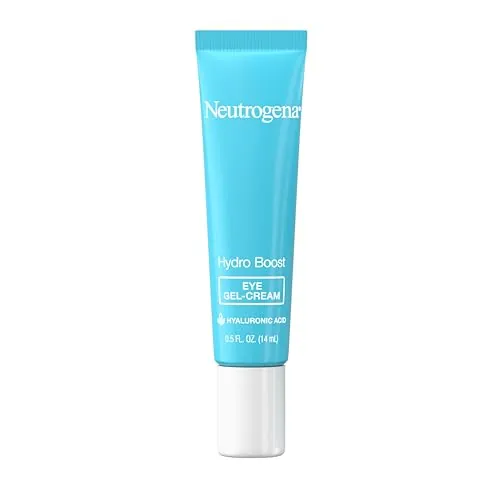
Neutrogena Hydro Boost Under Eye Cream (0.5 oz)
- Hydration-first formula: designed to quench and keep the under-eye area looking smooth and hydrated.
Comparison
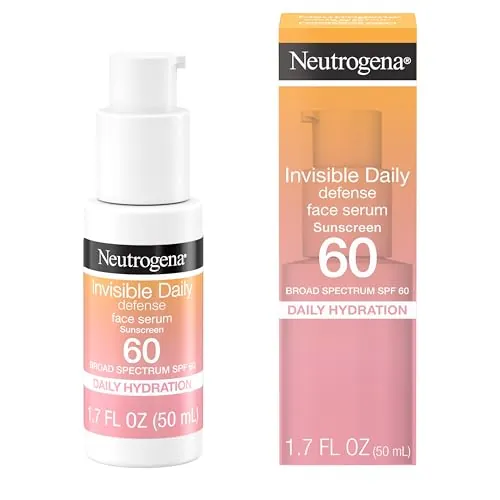
Neutrogena Hydro Boost Under Eye Cream is a fragrance-free, oil-free gel-cream designed to hydrate and smooth the delicate under-eye area, including under makeup. Neutrogena Invisible Daily Defense is a hydrating face sunscreen serum with broad spectrum SPF 60 and an “invisible” finish aimed at daily UV protection. The clearest trade-off in reviews is comfort around the eyes: the eye cream is usually gentle-feeling, while the SPF is often praised for no white cast but frequently reported to sting if it migrates into eyes.
#1 Overall Winner
Contender
Choose Hydro Boost Under Eye Cream if your priority is under-eye hydration, a silky feel, and easy wear under makeup. Choose Invisible Daily Defense SPF 60 if you want high daily UV protection with an invisible finish and water resistance—but apply carefully to avoid eye stinging and watch how your skin responds with repeated use.
Overall winner
Depends on your needs
| Feature | Neutrogena Hydro Boost Under Eye Cream (0.5 oz) | Neutrogena Invisible Daily Defense SPF 60 Serum (1.7 oz) | Winner |
|---|---|---|---|
| Category / main use | Under-eye moisturizer (gel-cream) for hydration/smoothing |
Face sunscreen serum with broad spectrum SPF 60 |
Depends |
| Overall score | 78 |
72 |
Neutrogena Hydro Boost Under Eye Cream (0.5 oz) |
| Effectiveness (intended purpose) | 80 (hydration-focused) |
88 (sun protection-focused) |
Depends |
| Beauty result score | 76 |
86 |
Neutrogena Invisible Daily Defense SPF 60 Serum (1.7 oz) |
| Skin compatibility score | 68 |
66 |
Tie |
| Comfort score | 79 |
66 |
Neutrogena Hydro Boost Under Eye Cream (0.5 oz) |
| Ease of use | 86 |
82 |
Neutrogena Hydro Boost Under Eye Cream (0.5 oz) |
| Application score | 83 |
85 |
Neutrogena Invisible Daily Defense SPF 60 Serum (1.7 oz) |
| Scent score | 88 |
68 |
Neutrogena Hydro Boost Under Eye Cream (0.5 oz) |
| Value score | 78 (US$18.31 for 0.5 oz) |
69 (US$16.99 for 1.7 oz) |
Neutrogena Hydro Boost Under Eye Cream (0.5 oz) |
Effectiveness depends on what you want the product to accomplish. Hydro Boost Eye Cream scores well for its intended purpose (effectiveness 80): users frequently report reliable moisturization, quick absorption, and a smoother look under makeup. However, reviews are mixed on more dramatic improvements (like dark circles or puffiness).
Invisible Daily Defense scores higher for effectiveness (88) because its core job—broad spectrum SPF 60 protection—aligns with strong user feedback about daily wear and outdoor performance, including water/sweat resistance for 80 minutes. Its main effectiveness “friction” is practical: if it stings your eyes or feels greasy, it may be harder to use consistently on the face.
For visible results, the products deliver different kinds of “beauty payoff.” Hydro Boost Eye Cream is mainly about making the under-eye area look smoother and more hydrated, which can help concealer sit better and reduce the look of dryness. Invisible Daily Defense focuses on an even-looking sunscreen finish—many reviewers highlight a radiant glow and little-to-no white cast, making it easier to wear daily or under makeup. If your goal is a better-looking makeup base on the face, the sunscreen’s finish stands out; if your goal is a less dehydrated under-eye look, the eye cream is the more targeted option.
By score, Invisible Daily Defense leads on beauty results (86 vs 76). Reviewers repeatedly mention an invisible look with minimal white cast and a radiant finish that works under makeup, which is a key cosmetic outcome for a daily sunscreen. Hydro Boost Eye Cream’s beauty-result score (76) reflects a subtler, hydration-driven change: the under-eye area can look smoother and makeup may apply more evenly, but results beyond moisturization are inconsistent across reviews.
Both are skincare, but they sit in different steps. Hydro Boost Eye Cream is an under-eye moisturizer for morning and night use, centered on hydration with hyaluronic acid and a lightweight gel-cream feel. Invisible Daily Defense is a morning sunscreen step: broad spectrum SPF 60 with water resistance (80 minutes) and a serum-like texture designed to layer under makeup. If you’re building a routine, these aren’t true substitutes—many people could use the eye cream for under-eyes and the sunscreen for the face, while being cautious about applying the sunscreen too close to the eye area due to common stinging reports.
Safety scores are similar and slightly favor Hydro Boost Eye Cream (66 vs 64). For the eye cream, it’s ophthalmologist-tested and designed for the under-eye area, but real-user feedback still includes some burning/stinging—so cautious use is sensible, especially if you’re sensitive. For Invisible Daily Defense, the main safety-related practical issue is repeated eye irritation if product gets into the eyes; multiple reviewers recommend avoiding eyelids/undereyes and washing hands to reduce accidental transfer. As with many leave-on face products, patch testing and careful placement can help identify tolerance before daily use.
Hydro Boost Eye Cream is more comfortable overall (79 vs 66). Reviews often call it lightweight, refreshing, and non-greasy, and many people like it under makeup. Invisible Daily Defense can feel very pleasant for some users (lightweight, smooth, glowy), but comfort drops because eye stinging is frequently reported and some users find it oily or breakout-triggering when worn repeatedly.
Both are easy to incorporate, with Hydro Boost Eye Cream slightly ahead (86 vs 82). The eye cream is a straightforward dot-and-smooth application morning and night, and it tends to absorb quickly with little mess. The SPF serum is also simple to apply and layer, but ease of use can be reduced by the need to avoid the eye area carefully and by reapplication considerations (especially if you’re outdoors or sweating).
Application scores are strong for both, with Invisible Daily Defense slightly higher (85 vs 83). The sunscreen’s serum texture is widely described as gliding on smoothly, blending in without white cast, and working under makeup. Hydro Boost Eye Cream applies easily and absorbs quickly, but users commonly note you should let it dry before makeup for best results, and a small amount goes a long way.
Skin compatibility is close, with Hydro Boost Eye Cream at 68 and Invisible Daily Defense at 66—both showing mixed sensitivity experiences. For the eye cream, some people with sensitive eyes report no irritation, while others mention stinging or burning, so tolerance appears individual. For the SPF serum, eye irritation is a prominent theme: multiple reviewers describe strong stinging if the product migrates into the eyes, plus some reports of breakouts when used on consecutive days. If you’re sensitive, patch test and adjust placement (especially around the eyes).
Finish quality is strong for both products, with Invisible Daily Defense slightly ahead (84 vs 82). The sunscreen’s finish is a standout: users often report a smooth, radiant look and little-to-no white cast, which matters for daily face wear. Hydro Boost Eye Cream is praised for a non-greasy, silky feel that absorbs quickly and helps the under-eye look less dry, but it’s designed for a small area rather than overall face finish.
Invisible Daily Defense leads for longevity (86 vs 74), helped by its water- and sweat-resistant claim (up to 80 minutes) and reviews describing it holding up through outdoor activity. Hydro Boost Eye Cream can feel moisturising through the day for many users, but longevity here is about how long hydration and smoothness last around the eyes, which is more variable and typically less measurable than sunscreen wear and resistance.
Hydro Boost Eye Cream performs better on scent (88 vs 68). Both products are labeled fragrance-free, but reviewers more often describe Hydro Boost as having little to no noticeable smell. With Invisible Daily Defense, scent feedback is mixed: some people perceive no scent, while others notice a typical “sunscreen” smell despite the fragrance-free label.
Invisible Daily Defense scores higher for durability (78 vs 70). In this context (consumables), durability is less about “lasting for years” and more about product stability and how well the packaging keeps the formula usable. Hydro Boost has a slightly lower durability score and at least one delivery/age concern in reviews. The sunscreen’s higher durability score suggests fewer issues reported in the provided data, though comfort and eye irritation remain bigger limiting factors than packaging stability.
Invisible Daily Defense offers more built-in “fit” across users (personalization 70 vs 60) because it’s positioned for all skin types/tones and emphasizes an invisible finish with no white cast—an important factor for shade compatibility in sunscreen. Hydro Boost Eye Cream is more targeted: it’s designed for the under-eye area and is listed for dry skin, with fewer adjustable variables beyond how much you apply and whether you use it under makeup.
Ingredient quality scores favor Hydro Boost Eye Cream (76 vs 72). Hydro Boost is clearly positioned around purified hyaluronic acid and avoids added fragrance, oils, and dyes, which many users appreciate for the eye area. Invisible Daily Defense includes an antioxidant complex and ginger extract and is free from oxybenzone, parabens, mineral oil, and fragrance, but review feedback includes irritation and at least one user concern about alcohol content contributing to tingling/dryness (based on their ingredient check). With the data provided, neither product’s formula can be called universally “better”—the eye cream reads simpler for a delicate area, while the sunscreen balances finish and protection with a higher risk of eye stinging for some.
Packaging scores are close (74 for Invisible Daily Defense vs 72 for Hydro Boost). Hydro Boost comes in a small 0.5 oz tube that some reviewers find easy to handle and dose, though there is at least one report of old/beat-up boxes on delivery that raised concerns about product age. Invisible Daily Defense is a 1.7 oz bottle format (serum-like sunscreen) that some users say dispenses efficiently (needing only a small amount), and it’s convenient for daily routines and travel.
Hydro Boost Eye Cream ranks higher for value (78 vs 69), even though it’s a smaller size (0.5 oz at $18.31). That stronger value score aligns with many reviews describing it as effective for moisturization, easy to use, and good under makeup. Invisible Daily Defense is $16.99 for 1.7 oz and performs well on protection and finish, but value is tempered by user complaints—especially eye irritation and occasional greasiness or breakouts—which can make it less of a reliable daily pick for everyone.
Brand trust scores slightly favor Hydro Boost Eye Cream (80 vs 76), though both are from Neutrogena and sit within its dermatologist-recommended positioning in the product descriptions. In practice, trust here is influenced by consistency: the eye cream has broadly steady feedback for hydration, while the sunscreen’s strong results are counterbalanced by recurring comfort and eye-sting issues that can reduce user confidence for everyday face use.
Customer satisfaction is high for both products, with a slight edge to Invisible Daily Defense (84 vs 83). Hydro Boost Eye Cream has a very large review base (21,080 at 4.5/5) and is frequently praised for moisturization, silky texture, and non-greasy wear, with mixed reports on irritation and on improvements beyond hydration. Invisible Daily Defense (9,266 reviews, 4.5/5) earns consistent praise for protection, glow, and no white cast, but negative themes are more specific and repeated—eye stinging, occasional greasiness, and some breakout complaints.
Invisible Daily Defense has stronger claim support (78 vs 69). Its core claim—broad spectrum SPF 60 protection and water resistance (80 minutes)—is clearly defined, and reviewers often confirm it performs well outdoors and wears well under makeup with minimal white cast. Hydro Boost Eye Cream’s hydration and smoothing positioning is supported by many user experiences, but claims that imply bigger visible changes (like reducing lines/dark circles) are less consistently echoed in reviews, and the score interpretation flags limited evidence for stronger under-eye claims.
Ethical transparency data is limited for both, with modest scores (58 for Invisible Daily Defense vs 52 for Hydro Boost). The provided product information does not include specific cruelty-free, vegan, or sustainability packaging claims, so it’s difficult to draw meaningful conclusions beyond the general scoring.
These products aren’t direct substitutes: one is an under-eye hydrator and the other is a high-SPF face sunscreen. If you’re choosing only one, Hydro Boost Under Eye Cream is the better overall-rated, more comfortable daily option (78 overall; comfort 79) with strong feedback for moisturization and makeup compatibility, but it may not deliver big changes beyond hydration for everyone.
Invisible Daily Defense SPF 60 wins on purpose-driven performance—especially protection and a no-white-cast finish (effectiveness 88; beauty result 86)—but its main limitation is usability for sensitive users due to frequent eye stinging and some greasiness/breakout reports. The best choice depends on whether your top need is under-eye comfort or reliable daily UV protection.
Overall winner
Depends on your needs
They’re meant for different jobs. Hydro Boost Under Eye Cream is focused on under-eye hydration and a smooth, makeup-friendly feel (overall score 78). Invisible Daily Defense is designed for daily facial sun protection with broad spectrum SPF 60 and scores higher for effectiveness (88) and beauty results (86), but has more frequent eye-sting complaints.
Several reviewers say it stings or burns if it gets near their eyes, sometimes for hours. While it’s a face sunscreen, user feedback suggests you may need to keep it away from the eye area and use a separate product you tolerate better for that region. If you’re prone to eye sensitivity, patch test carefully.
Both are positioned as makeup-friendly. Hydro Boost Eye Gel-Cream is commonly praised for helping under-eye makeup apply more smoothly and for fast absorption (application score 83). Invisible Daily Defense is frequently described as layering well and creating a radiant base without white cast (application score 85), but you’ll want to avoid eye migration.
Hydro Boost Under Eye Cream is the clearer hydration pick for the eye area, built around purified hyaluronic acid and described as silky and non-greasy. Invisible Daily Defense also claims to be hydrating, but its main role is sun protection; some reviews mention it can feel oily or, for a few users, leave skin feeling dry later.
Neither is irritation-free for everyone. Hydro Boost is fragrance-free and ophthalmologist-tested, yet reviews still include stinging/burning for some (skin compatibility 68). Invisible Daily Defense has repeated eye-irritation reports (skin compatibility 66; comfort 66). If you’re sensitive, introduce slowly and avoid placing sunscreen too close to eyes.
By score, Hydro Boost rates higher for value (78) than Invisible Daily Defense (69). Hydro Boost also has very high ease-of-use (86) and strong satisfaction (83). The SPF product delivers strong performance for protection and finish, but some users feel the experience (eye sting, greasiness, breakouts) reduces the value for daily face use.
The provided reviews for Hydro Boost often emphasize moisturization and a smoother look, while multiple users report limited change in dark circles or puffiness. The sunscreen lists “visible signs of aging” language, but the strongest supported benefit in the data is broad spectrum SPF 60 protection and an invisible, radiant finish rather than proven corrective results.
The biggest difference is purpose: Hydro Boost is an under-eye hydrator (gel-cream) meant to smooth and moisturize, while Invisible Daily Defense is a face sunscreen serum with broad spectrum SPF 60 and 80-minute water resistance. Reviews also differ: Hydro Boost is often praised for comfort and makeup wear, while the sunscreen is praised for no white cast but criticized for eye stinging.
Check our rankings and expert guides to find the best beauty products for your goals.