#1 Overall Winner
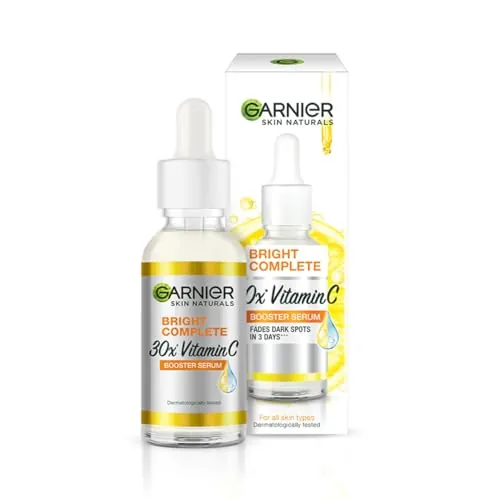
Garnier Bright Complete VITAMIN C Booster Face Serum, 30ml
- Higher overall score (83) with strong effectiveness (84) and beauty result (88) scores.
Comparison
Garnier Bright Complete Vitamin C Booster Face Serum and Garnier Light Complete Fairness Serum Cream are both Garnier brightening-focused face products, but they deliver very different experiences: a dropper serum versus a scented cream. Based on the provided scores and review trends, the serum is stronger for visible glow and overall performance, while the cream is the cheaper, simpler option with more mixed feedback on finish.
#1 Overall Winner
Contender
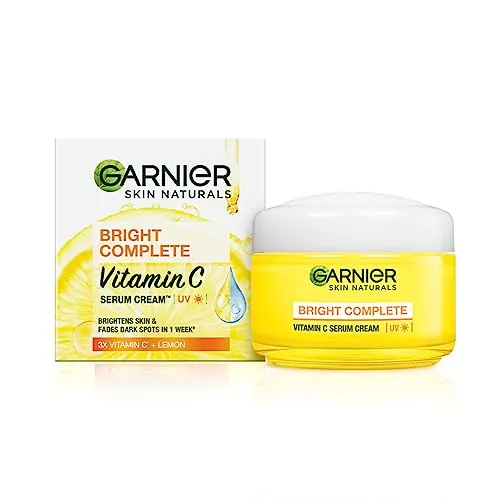
Choose the Garnier Bright Complete Vitamin C Booster Serum if you want the best chance of visible glow/brightening and smoother finish based on the scores and reviews. Choose the Garnier Light Complete Serum Cream if you prefer a scented cream format and a lower upfront price—just be prepared for more mixed results around application and potential white cast.
Overall winner
Depends on your needs
| Feature | Garnier Bright Complete VITAMIN C Booster Face Serum, 30ml | Garnier Light Complete Fairness Serum Cream, 45g | Winner |
|---|---|---|---|
| Category / format | Serum (drops) | Cream | Depends |
| Overall score | 83 | 68 | Garnier Bright Complete VITAMIN C Booster Face Serum, 30ml |
| Effectiveness score | 84 | 70 | Garnier Bright Complete VITAMIN C Booster Face Serum, 30ml |
| Beauty result score | 88 | 67 | Garnier Bright Complete VITAMIN C Booster Face Serum, 30ml |
| Skin compatibility score | 71 | 58 | Garnier Bright Complete VITAMIN C Booster Face Serum, 30ml |
| Finish quality score | 86 | 55 | Garnier Bright Complete VITAMIN C Booster Face Serum, 30ml |
| Scent score | 66 | 76 | Garnier Light Complete Fairness Serum Cream, 45g |
| Ease of use score | 84 | 64 | Garnier Bright Complete VITAMIN C Booster Face Serum, 30ml |
| Application score | 85 | 53 | Garnier Bright Complete VITAMIN C Booster Face Serum, 30ml |
| Value score | 85 | 81 | Garnier Bright Complete VITAMIN C Booster Face Serum, 30ml |
| Customer rating | 4.6/5 (32,017 reviews) | 4.1/5 (12,658 reviews) | Garnier Bright Complete VITAMIN C Booster Face Serum, 30ml |
| Price | $13.49 (30ml) | $7.05 (45g) | Garnier Light Complete Fairness Serum Cream, 45g |
On effectiveness, Product A (Vitamin C Booster Serum) leads with an effectiveness score of 84 versus 70 for Product B (Serum Cream). Review summaries for the serum highlight brightening, a glowing look, and that it layers well with moisturiser, suggesting it fits well as a consistent daily step. Product B’s reviews show a wider spread: some users report more even-looking skin over time, while others see minimal change after a month and/or run into texture issues that make consistent use harder. Overall, the serum looks more reliable for the intended “brightening” goal based on the provided data.
For the visible “after” look, the Vitamin C Booster Serum is the more consistent performer in the provided data. Reviews frequently describe a glowy, radiant finish, and its finish quality (86) and beauty result (88) scores support that. The Serum Cream can look fresh on some skin types, but it has repeated reports of white cast and chalky residue, which can reduce how natural or even the skin appears—especially in daylight or if you layer other products on top.
Beauty-result scoring strongly favors Product A: 88 for the serum versus 67 for the cream. That gap matches review patterns—Product A is repeatedly described as giving glow and a radiant finish, while Product B has a notable number of complaints about white cast and a chalky, gritty residue. If your priority is how skin looks immediately and under different lighting, Product A is the safer bet based on the scoring and feedback provided.
Both products sit in the skincare category and are positioned around brightening. The serum is clearly meant to be layered as a treatment step (drops, then moisturiser), while the cream is more of a moisturiser-style product that may simplify routines. In the provided information, the serum includes salicylic acid at 0.2% w/w and has higher effectiveness and claim support scores, but it can be drying without a moisturiser. The cream is easier to treat as a single step, yet reviews show more inconsistency in how it behaves on skin.
Product A scores higher on safety (67) than Product B (54), but both require sensible skincare caution. Product A has multiple mentions of dryness and occasional irritation, and it’s fragranced—so overuse or combining it with harsher products may increase discomfort for some people. Product B has more frequent complaints of irritation/breakouts and a finish that can feel gritty or chalky for certain users. With either, avoid over-layering actives, patch test first, and stop if persistent irritation occurs.
Comfort scores are modest for both, with Product A at 74 and Product B at 60. Product A is often described as feeling good on the face, but dryness can reduce comfort if you skip moisturiser. Product B can feel weightless and non-greasy for some, yet others experience a chalky, gritty residue that makes it less pleasant to wear. If comfort is your priority, Product A is ahead overall but benefits from a hydrating follow-up step.
Product A is easier to use overall (84) than Product B (64). The serum has clear directions (3–4 drops, face and neck) and is generally reported to absorb well, making it straightforward to layer. The cream should be simple in theory, but the mixed feedback—drying too quickly, difficulty spreading, and residue—creates more routine friction, especially for users who want a quick, even application.
Application scores show a major difference: Product A scores 85 versus 53 for Product B. Users commonly describe the serum as absorbing well and feeling smooth, which supports even application. For the cream, multiple reviews mention it sets before it’s fully worked in, can be hard to spread, and may leave visible residue. If you want a more predictable application experience, Product A is the clear leader in the provided data.
Skin compatibility is better on Product A (71) than Product B (58), but neither is “issue-free” in the reviews. With Product A, some users mention dryness or slight irritation, particularly when using too much or combining it with harsher products; moisturising after application is commonly suggested. With Product B, there are more direct complaints about irritation and breakouts alongside texture/finish problems. If you’re reactive, introduce either product gradually and patch test first.
Finish quality is one of the biggest separators: Product A scores 86, while Product B scores 55. The serum is commonly described as leaving skin glowy and radiant without heavy residue. The cream, however, is frequently reported to dry down with a white cast or chalky/gritty feel for some users, which can look uneven and feel uncomfortable—especially if applied quickly or layered with other products.
Longevity scores are higher for Product A (76) than Product B (56). In practical terms, Product A appears more likely to maintain a comfortable, good-looking finish through the routine when paired with moisturiser, whereas Product B’s fast-drying nature and potential residue can shorten “wear” satisfaction for some users. If you care about how the product holds up across the day, the scores suggest the serum is the more dependable option.
If scent matters, Product B wins: it has a higher scent score (76 vs 66) and is often described as pleasant and fresh (aloe scent listed). Product A also has positive experiences, but fragrance is a more common point of hesitation in reviews, particularly for users who prefer fragrance-free skincare. If you’re scent-sensitive, neither product is a guaranteed fit based on the information provided.
Durability scores are slightly higher for Product A (63) than Product B (55). For consumable skincare, this mostly reflects packaging reliability and how consistently the product stays usable. The serum’s packaging concerns (light protection) may affect how carefully you store it, while the cream’s issues are more about application and residue than stability. Overall, neither product scores as exceptionally durable, but Product A has a small edge.
Personalization is notably higher for Product A (74) than Product B (34). In practice, neither product offers shades, but Product A is positioned as suitable for all skin types and is used as a layerable serum step that can be adjusted (amount/frequency, moisturiser pairing). Product B is listed for normal skin and has more variable finish outcomes (including white cast), which may limit how broadly it works across users and routines.
Ingredient quality scores favor Product A (72) over Product B (62), though neither score indicates exceptional transparency from the data provided. Product A is explicitly described as enriched with lemon extracts and includes salicylic acid at 0.2% w/w, while Product B lists vitamin C and an aloe scent. Because full ingredient lists and concentration details (beyond the salicylic acid in Product A) aren’t provided here, treat “ingredient quality” as a relative score rather than proof of superiority for any specific skin concern.
Packaging quality is a weak spot for both, with Product A scoring 61 and Product B scoring 52. Product A’s reviews specifically note that vitamin C-style products are ideally protected from light, and the packaging is seen as less protective than it could be. Product B has some packing/quality complaints as well. If packaging matters to you (dispensing control, storage, protection), Product A is slightly better but neither is a standout.
Both products score well for value, but Product A leads (85 vs 81) despite costing more ($13.49 vs $7.05). The difference is explained by performance: Product A has much stronger beauty-result and application scores and higher customer satisfaction, which can make the higher price feel more justified. Product B’s lower price is attractive, but the mixed reports on finish (white cast) and texture can reduce the “value” if it doesn’t work for your skin or you stop using it.
Brand trust is higher for Product A (78) than Product B (66) in the provided scoring. Since both products are from Garnier, this difference likely reflects how consistently each item meets expectations in reviews (and how well the results align with the product positioning). If you’re choosing purely on confidence from the data, Product A appears to deliver a more dependable experience.
Customer satisfaction is a standout advantage for Product A at 92, compared with 83 for Product B. This aligns with the star ratings and review volume: Product A holds 4.6/5 across 32,017 reviews, while Product B has 4.1/5 across 12,658 reviews. Product A’s feedback frequently emphasizes glow and pleasant texture, while Product B’s sentiment is more split due to white cast, chalky feel, and occasional irritation or breakouts.
Claim support favors Product A (80) over Product B (62). That suggests Product A’s “brightening/glow” positioning is more consistently reflected in the combined scoring and buyer experiences provided here. Product B does have users reporting a healthier, more even look after regular use, but the mixed outcomes—minimal results for some, plus finish/texture complaints—make its brightening claims appear less consistently supported by user experience in this dataset.
Ethical transparency scores are low for both products (55 for Product A, 35 for Product B), and no specific ethical certifications or sustainability details are provided in the product info shown. Because there aren’t clear cruelty-free/vegan/recyclability claims included here, it’s hard to draw meaningful ethical conclusions beyond noting that transparency appears limited in the provided data.
Garnier Bright Complete Vitamin C Booster Face Serum is the clearer winner in this matchup. It scores higher across the metrics that most users care about for a brightening product—effectiveness, beauty results, finish quality, application, and customer satisfaction—and its large review base supports a more consistent experience. Its main limitations are fragrance, occasional dryness/irritation, and only average packaging quality. Garnier Light Complete Fairness Serum Cream remains a workable budget option with a pleasant scent and a lightweight feel for some, but its biggest drawback is inconsistency: white cast/chalky residue and mixed spreadability hold it back. If you want reliability, choose the serum; if you want the cheapest cream and can tolerate the finish, the cream can be adequate.

Overall winner
Depends on your needs
Based on the provided scores and review data, Garnier Bright Complete Vitamin C Booster Face Serum rates higher overall (83 vs 68) with stronger effectiveness and beauty-result scores. It also has higher customer satisfaction (92) and a higher star rating (4.6/5) across more reviews. The Serum Cream can still suit budget-focused shoppers who prefer a cream format and enjoy a stronger scent.
The data favors Garnier Bright Complete Vitamin C Booster Serum for visible results, with a higher beauty result score (88 vs 67) and finish quality score (86 vs 55). Reviews frequently mention a “glowy” or “radiant” look. The Serum Cream has some positive radiance feedback too, but it also has recurring complaints about white cast or chalky residue that can affect the final look.
Neither product is a guaranteed fit for sensitive skin based on the provided information, but the serum scores higher for skin compatibility (71 vs 58). Both products have some irritation or breakout mentions in reviews, and the serum is also noted as fragranced by some users. If you’re sensitive, introduce slowly, avoid pairing with other harsh products, and patch test first.
Some reviewers describe the Garnier Bright Complete Vitamin C Booster Serum as drying when used alone, recommending that it be paired with a moisturiser. This aligns with its mid-range comfort (74) and skin compatibility (71) scores rather than top-tier “gentle on everyone” performance. If dryness shows up, reduce the amount, use it less often, and moisturise after applying.
Yes, multiple reviewers report that Garnier Light Complete Fairness Serum Cream can leave a white cast or chalky residue, especially when rubbed in. That matches its lower finish quality (55) and application (53) scores. If you choose it, test it in daylight and under makeup (if you wear it) to see whether the finish works with your skin tone and routine.
The serum appears easier to use and apply based on the scores (ease of use 84 and application 85 vs 64 and 53 for the cream). It’s designed as 3–4 drops spread over face and neck, then followed with moisturiser. The cream is simpler in concept, but user feedback suggests it can dry quickly and be harder to spread evenly for some people.
It depends on what you mean by value. Garnier Light Complete Serum Cream is cheaper upfront ($7.05 vs $13.49), but the Garnier Bright Complete Serum scores slightly higher for value (85 vs 81) and substantially higher for performance and customer satisfaction. If you want the strongest chance of visible glow based on the data, the serum may justify the higher price.
Based on the claim support scores, the serum is better supported (80) than the cream (62). That doesn’t mean clinical proof is provided—rather, the serum’s combination of higher performance scores and stronger buyer satisfaction aligns more closely with its brightening positioning. The cream has more mixed feedback around texture, finish, and results, which weakens overall claim support.
The biggest differences are format and finish. The Bright Complete product is a dropper serum with strong glow/finish scores and generally smooth application. The Light Complete product is a scented cream that some users find lightweight and pleasant, but others report it dries chalky and can leave a white cast. Their scores reflect that: the serum leads on beauty results and application.
Check our rankings and expert guides to find the best beauty products for your goals.