#1 Overall Winner
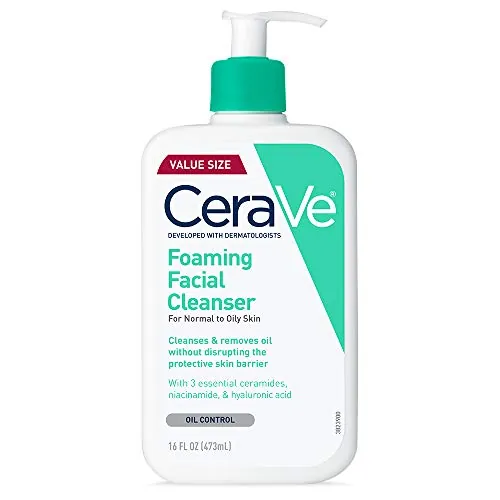
CeraVe Foaming Facial Cleanser
- Strong oil-control and daily-cleansing performance for normal to oily skin.
Comparison
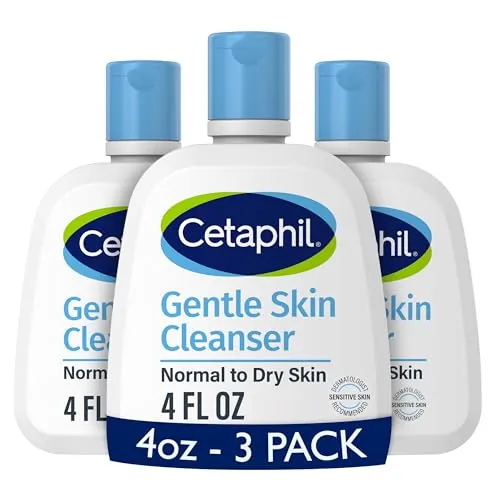
CeraVe Foaming Facial Cleanser and Cetaphil Gentle Skin Cleanser are fragrance-free daily face washes, but they serve different routine needs. CeraVe is a foaming option for normal to oily skin and oil removal, while Cetaphil is a creamy, non-foaming cleanser aimed at dry to normal sensitive skin. Both score highly, with Cetaphil narrowly ahead overall and CeraVe ahead for cleansing effectiveness and ease of use.
#1 Overall Winner
Contender
Choose CeraVe if you have normal to oily skin and want a fragrance-free foaming cleanser that feels fresh, rinses clean, and comes in a large pump bottle. Choose Cetaphil if dry, normal, or sensitive skin responds better to a creamy, soap-free, non-foaming wash. For either option, consider a separate makeup-removal step for heavier products.
Overall winner
Depends on your needs
| Feature | CeraVe Foaming Facial Cleanser | Cetaphil Gentle Skin Cleanser | Winner |
|---|---|---|---|
| Overall score | 89 | 90 | Cetaphil Gentle Skin Cleanser |
| Best skin fit | Normal to oily skin | Dry to normal sensitive skin | Depends |
| Cleanser texture | Gel that foams | Creamy, non-foaming | Depends |
| Effectiveness score | 90 | 87 | CeraVe Foaming Facial Cleanser |
| Skin compatibility score | 93 | 96 | Cetaphil Gentle Skin Cleanser |
| Safety score | 91 | 94 | Cetaphil Gentle Skin Cleanser |
| Ease-of-use score | 90 | 85 | CeraVe Foaming Facial Cleanser |
| Makeup-removal limitations | Heavy waterproof makeup may remain | May struggle with makeup and sunscreen | CeraVe Foaming Facial Cleanser |
| Key ingredients | Ceramides, hyaluronic acid, niacinamide | Glycerin, panthenol, niacinamide | Depends |
| Packaging | 16 fl oz pump bottle | Three 4 fl oz tubes | Depends |
| Value score | 90 | 95 | Cetaphil Gentle Skin Cleanser |
| Buyer feedback | 4.8/5 from 75,327 reviews | 4.6/5 from 37,051 reviews | CeraVe Foaming Facial Cleanser |
CeraVe has the higher effectiveness score, 90 versus 87, reflecting a stronger fit for its core role of removing daily oil, dirt, and routine buildup. Its gel-to-foam format is repeatedly described by reviewers as clean-rinsing and effective without a stripped feeling. Cetaphil remains effective for gentle daily cleansing, particularly where a soft after-feel matters more than a deep-clean sensation. However, review feedback for Cetaphil more consistently notes that makeup, mascara, and sunscreen may require a separate first step. CeraVe also has limits with heavy waterproof makeup, so neither is a guaranteed one-step solution for full makeup removal.
Neither product is designed to create a makeup-style finish; the visible result is mainly how clean, balanced, soft, or comfortable skin appears after rinsing. CeraVe is more likely to suit users seeking a fresher, less oily-looking post-cleanse feel, based on its oil-control positioning and reviews. Cetaphil is more aligned with a softer, less tight-feeling appearance for dry or sensitive skin. The better beauty result depends on whether excess shine or post-cleanse dryness is the bigger concern.
CeraVe scores 85 for beauty results, narrowly ahead of Cetaphil at 84. The difference reflects their distinct post-cleanse effects rather than a dramatic quality gap. CeraVe reviews frequently describe skin as fresh, smooth, balanced, and less shiny after use. Cetaphil feedback more often emphasizes skin feeling soft, calm, and comfortable without a tight or flaky sensation. Choose CeraVe if a clean, lightweight, oil-managed result is the goal; choose Cetaphil if maintaining a softer, more cushioned after-feel is the priority.
Both products fit basic daily skincare routines and are fragrance-free, non-comedogenic facial cleansers. CeraVe is designed for normal to oily skin and combines a foaming cleanse with ceramides, hyaluronic acid, and niacinamide. Cetaphil is designed for dry to normal sensitive skin and uses a non-foaming approach with glycerin, panthenol, and niacinamide. Neither should be viewed as a substitute for targeted treatment products, and the best fit depends on how skin responds to cleansing texture and oil removal.
Cetaphil has the higher safety score, 94 versus 91 for CeraVe. Both formulas are fragrance-free and non-comedogenic, and both are presented for regular facial use. Cetaphil additionally states that it is soap-free, hypoallergenic, paraben-free, and sulfate-free, and is positioned for sensitive skin. CeraVe's listing describes it as non-irritating and non-drying, but it is still a foaming cleanser with an oil-control focus. Neither listing removes the need to stop use if a product causes discomfort, and a patch test is a sensible precaution for particularly reactive skin.
Both cleansers score 92 for comfort, but they achieve it differently. CeraVe's light foam is frequently described as refreshing and clean-rinsing without tightness, particularly by normal to oily skin users. Cetaphil's creamy, non-foaming texture is often praised for leaving dry or sensitive skin soft rather than stripped. Some users may find Cetaphil's texture slippery or miss the lather, while some dry-skin users may prefer a less oil-focused cleanser than CeraVe. Comfort is therefore largely texture and skin-type dependent.
CeraVe leads ease of use, 90 to Cetaphil's 85. Its pump bottle controls dispensing, while its gel-to-foam texture is easy to lather and rinse; reviews commonly note that one small pump is enough. Cetaphil's 4 fl oz tubes are compact and travel-friendly, but its non-foaming consistency may require a short adjustment period. Reviews also suggest that users wearing makeup or sunscreen may need an extra cleansing product with Cetaphil, adding another routine step. CeraVe's large bottle is convenient at home but less compact for travel.
CeraVe scores 89 for application, ahead of Cetaphil at 83. It dispenses as a clear gel and forms a lightweight foam with water, a process reviewers describe as quick and even. The pump can help limit overuse, although one reviewer found the open/close markings difficult to read initially. Cetaphil applies as a creamy, non-foaming cleanser. Its texture is intentionally different from soap-like washes, but feedback indicates some users find it slimy or need time to judge the right amount. Preference for foam versus cream is the key factor.
Cetaphil leads skin compatibility, scoring 96 compared with CeraVe's 93. Its dry-to-normal sensitive-skin positioning, non-foaming texture, and fragrance-free, soap-free formula make it the more clearly targeted option for users who find many cleansers drying. CeraVe also scores strongly and is fragrance-free, non-irritating, and non-drying according to its listing, with positive feedback from many users. Still, its oil-control foaming format is more specifically intended for normal to oily skin. A few reviews for each product indicate that individual reactions can occur, so personal compatibility is not guaranteed.
Both cleansers have the same finish-quality score of 82, but the desired finish differs. CeraVe produces a lightweight foam and is commonly described as leaving no sticky or greasy residue. Cetaphil does not lather and is more often characterized as creamy, soft, or somewhat slippery during use, with skin feeling smooth afterward. Neither format is inherently superior: users who associate cleansing with a fresh foam may prefer CeraVe, while users who avoid a more stripped feeling may prefer Cetaphil's low-lather approach.
Both products score 78 for longevity, though this metric is most relevant here to practical use and the lasting after-feel rather than wear time. CeraVe's 16 fl oz pump is frequently said to last a long time because a small amount creates lather. Cetaphil's package contains three 4 fl oz tubes, offering 12 fl oz total and making it easier to keep one tube available for travel. Reviews for both describe comfortable skin after cleansing, but lasting results will depend on the rest of the routine.
Cetaphil leads scent, scoring 98 compared with CeraVe's 86. Both products are described as fragrance-free or unscented, and reviews generally appreciate the absence of a strong scent. Cetaphil's higher score indicates a stronger scent profile for users specifically seeking an unscented cleanser. CeraVe's specification lists the scent name as “Fresh,” while its description and reviews say fragrance-free; buyers who are especially scent-sensitive may wish to verify the package label they receive.
CeraVe leads durability, scoring 88 to Cetaphil's 82. As consumable cleansers, this comparison is mainly about package usability and keeping the formula practical over repeated use. CeraVe's large pump bottle is described by reviewers as sturdy and economical, and the format is intended to last through many washes. Cetaphil's three sealed smaller tubes can be practical for rotation or travel, but each tube contains less product. Both should be stored and used according to their labels to help maintain product quality.
Both products score 72 for personalization, with limited customization compared with products offering multiple shades, strengths, or settings. Their main form of personalization is skin-type alignment. CeraVe is better matched to normal, combination, and oily routines that favor a foaming cleanse and oil control. Cetaphil is better matched to dry, normal, and sensitive routines that favor a creamy, non-foaming texture. Packaging also creates a practical choice: a large home-use pump for CeraVe or three compact tubes for Cetaphil.
The products tie at 88 for ingredient quality, with each disclosing a focused, routine-oriented ingredient profile. CeraVe lists three ceramides, hyaluronic acid, and niacinamide, matching its barrier-support and oil-control cleansing positioning. Cetaphil lists glycerin, panthenol, and niacinamide, alongside a soap-free, fragrance-free formula aimed at dry and sensitive skin. The provided data supports comparing the listed ingredients and formula style, but does not establish that one ingredient system will suit every person better. Users with known sensitivities should review the complete label before purchasing.
CeraVe scores 84 for packaging quality, compared with 80 for Cetaphil. Its 16 fl oz pump is widely praised for hygienic, controlled dispensing and long-term bathroom use, although the bottle takes up counter space and the pump markings may initially be unclear. Cetaphil's three tubes are smaller and easier to pack for travel, with less concern about storing a large bottle. The better design depends on setting: CeraVe is more convenient at a sink or shower, while Cetaphil is more portable.
Cetaphil has the higher value score, 95 versus CeraVe's 90, and its stated $8.87 price covers three 4 fl oz tubes for 12 fl oz total. This makes it an attractive option for users who want a lower upfront cost, portability, and a sensitive-skin-focused formula. CeraVe costs $15.97 for a 16 fl oz pump bottle and earns strong value feedback because little product is needed per wash and the bottle is reported to last a long time. The better value is not just the price: Cetaphil is stronger for a gentle creamy cleanse, while CeraVe may justify its format for users wanting foam and oil control.
Cetaphil has a slight brand-trust lead, 88 compared with 87 for CeraVe. Both listings reference dermatologist development or recommendation and both have large bodies of positive buyer feedback. CeraVe's customer base strongly supports its daily foaming cleanser format, while Cetaphil has long-running review feedback around gentle, sensitive-skin-oriented cleansing. The one-point score difference is not substantial enough to make brand name the deciding factor. Skin type, texture preference, and makeup-removal needs are more useful decision points.
CeraVe leads customer satisfaction, 96 to Cetaphil's 95, and has a 4.8/5 rating from 75,327 reviews compared with Cetaphil's 4.6/5 from 37,051 reviews. CeraVe reviewers repeatedly praise effective oil removal, a non-tight finish, light foam, and a long-lasting pump bottle. Cetaphil reviewers consistently value its gentle, creamy, soft-feeling cleanse for dry and sensitive skin. Repeated limitations also matter: CeraVe may leave heavy waterproof makeup behind, while Cetaphil's low-lather formula and weaker standalone makeup removal are more frequent concerns.
CeraVe has a narrow claim-support advantage, 90 versus 89 for Cetaphil. Its provided listing details align closely with the review pattern: users commonly report a lightweight foam, oil removal, and a comfortable non-drying feel. Cetaphil's listing and reviews also align around gentle, fragrance-free cleansing and a soft after-feel for sensitive or dry skin. The supplied information includes product and marketing statements about hydration, skin barriers, and sensitivity, but this comparison should not treat those statements as proof of outcomes for every user. Reviews are useful experience reports, not clinical evidence.
Cetaphil Gentle Skin Cleanser is the narrow overall winner, driven by its higher overall, skin-compatibility, safety, scent, and value scores. Its major strength is its gentle, creamy, fragrance-free approach for dry to normal sensitive skin; its main limitation is that it may not adequately remove makeup or sunscreen as a standalone wash. CeraVe Foaming Facial Cleanser is the better specialist choice for normal to oily skin. It leads for effectiveness, application, ease of use, durability, and buyer satisfaction, with a light foam that reviewers find refreshing and non-stripping. Its main limitation is incomplete removal of heavy waterproof makeup. Choose according to skin type and texture preference rather than the small difference in overall score.

Overall winner
Depends on your needs
Neither cleanser is universally better. CeraVe is the more suitable match for users who want a foaming, oil-control-focused wash for normal to oily skin. Cetaphil has the slightly higher overall score and is the stronger option for dry to normal sensitive skin, especially for those who prefer a creamy, non-foaming cleanse.
CeraVe Foaming Facial Cleanser is the clearer fit for oily skin. Its product information specifically identifies normal to oily skin, and its reviews repeatedly mention removing excess oil and reducing the feeling of shine without a tight after-feel. Cetaphil can suit some normal or combination users, but it is primarily positioned around dry and sensitive skin.
Cetaphil Gentle Skin Cleanser is the stronger choice on the provided skin-compatibility and safety scores. It is a fragrance-free, soap-free, non-foaming cleanser for dry to normal sensitive skin, and reviews often describe a soft, hydrated, non-stripping finish. Individual skin responses still vary, so patch testing can be sensible for reactive skin.
Both can remove everyday buildup, but neither should be assumed to remove all makeup without help. CeraVe reviews note that heavy waterproof mascara and stubborn mineral sunscreen may remain. Cetaphil reviews more clearly report that tinted moisturizer, mascara, and sunscreen can require micellar water or another first cleansing step.
CeraVe scores higher for ease of use and application. Its pump dispenses a gel that turns into a lightweight foam and is frequently described as quick to rinse. Cetaphil's tubes are portable, but its creamy, non-foaming texture can require an adjustment for users who expect a traditional lather.
Cetaphil has the higher value score and the listed three-pack provides 12 fl oz total for a lower stated price. CeraVe also scores strongly for value: its 16 fl oz pump format, small amount per wash, and positive longevity comments can make it practical for frequent home use. Value therefore depends partly on preferred texture and skin fit.
Yes. Both listings describe the formulas as fragrance-free or unscented. This can be useful for users who prefer to avoid fragranced facial products, although fragrance-free status does not guarantee that every individual will find a formula compatible. Review feedback and a patch test can help guide a personal choice.
CeraVe begins as a clear gel and becomes a light foam when lathered with water. Cetaphil is a creamy, non-foaming cleanser. The CeraVe format is likely to appeal to users who want a more refreshed, clean-rinsing sensation, while Cetaphil may suit people who prefer a softer, lower-lather cleansing experience.
Check our rankings and expert guides to find the best beauty products for your goals.